
Last updated November 15, 2026
 Raised-panel steel
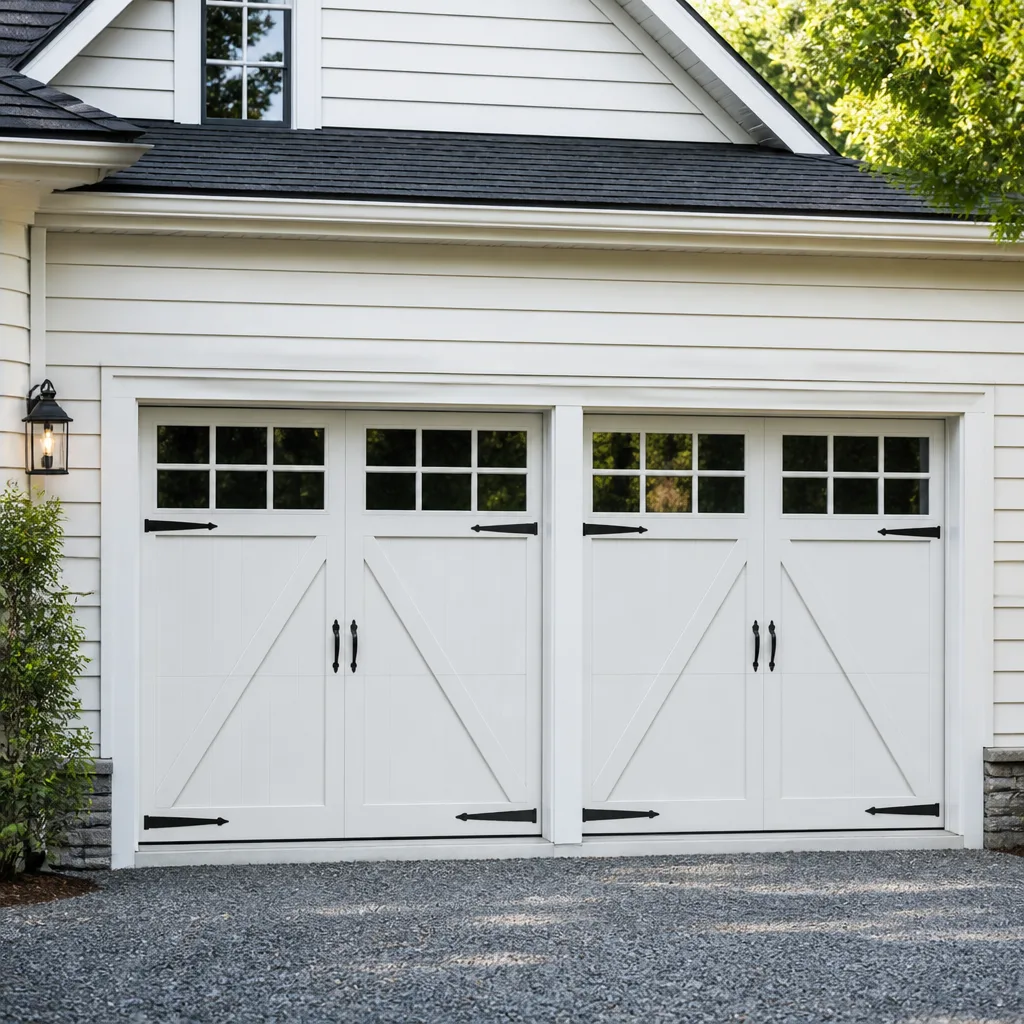 Carriage house
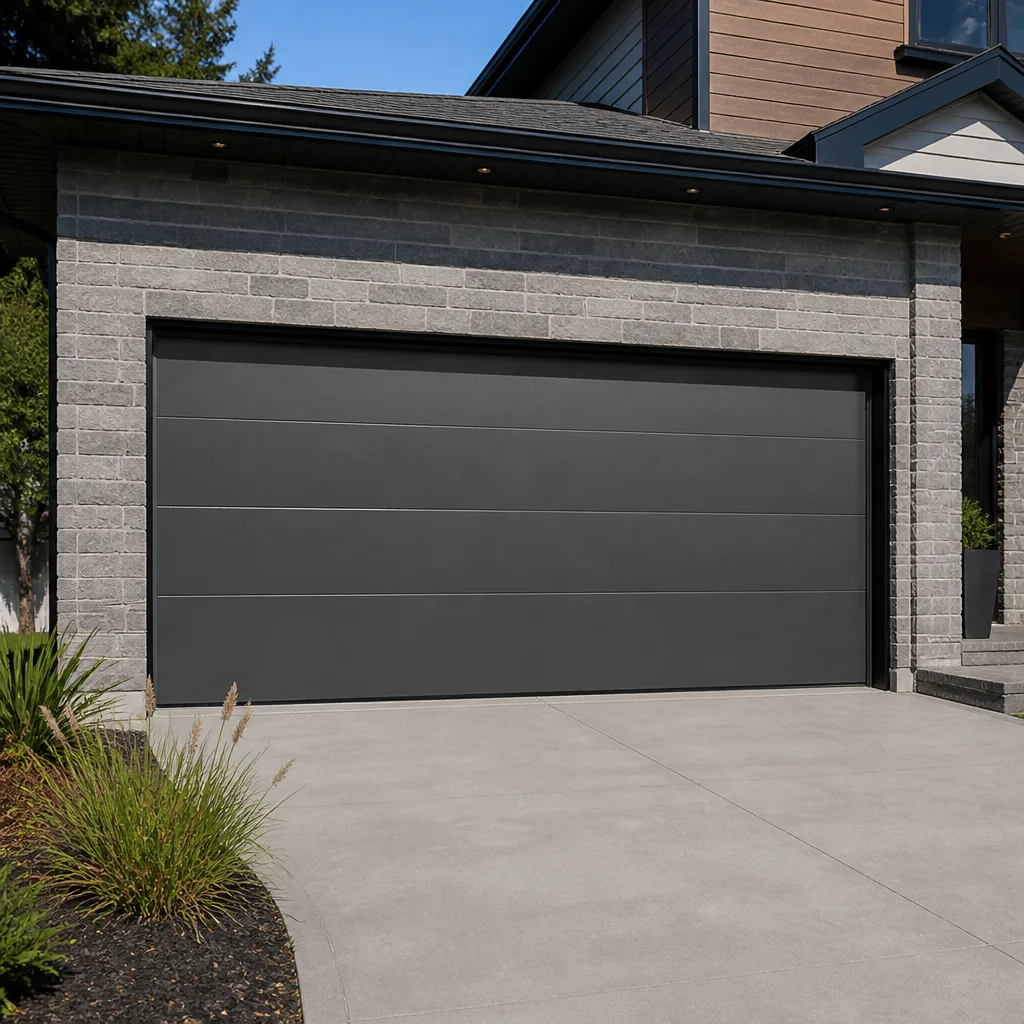 Modern flush
 Full-view glass
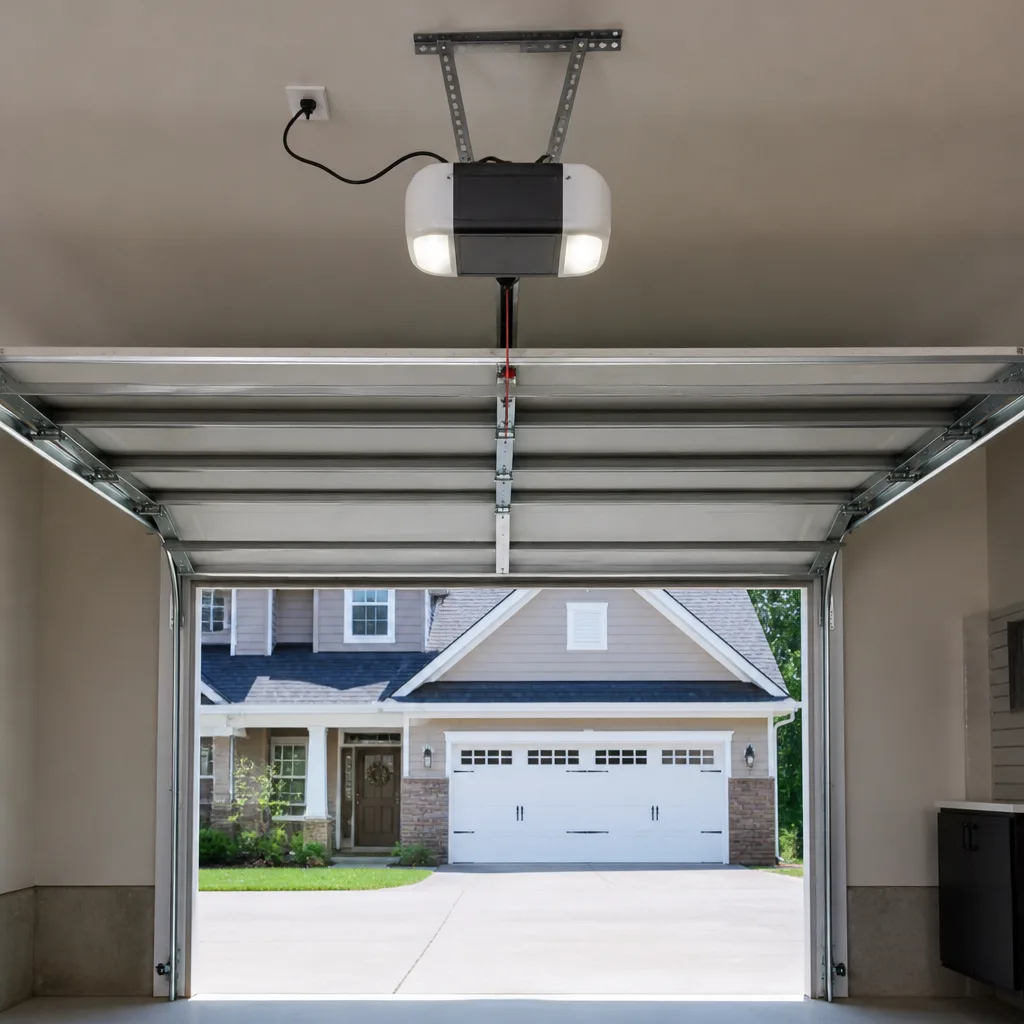 LiftMaster openers
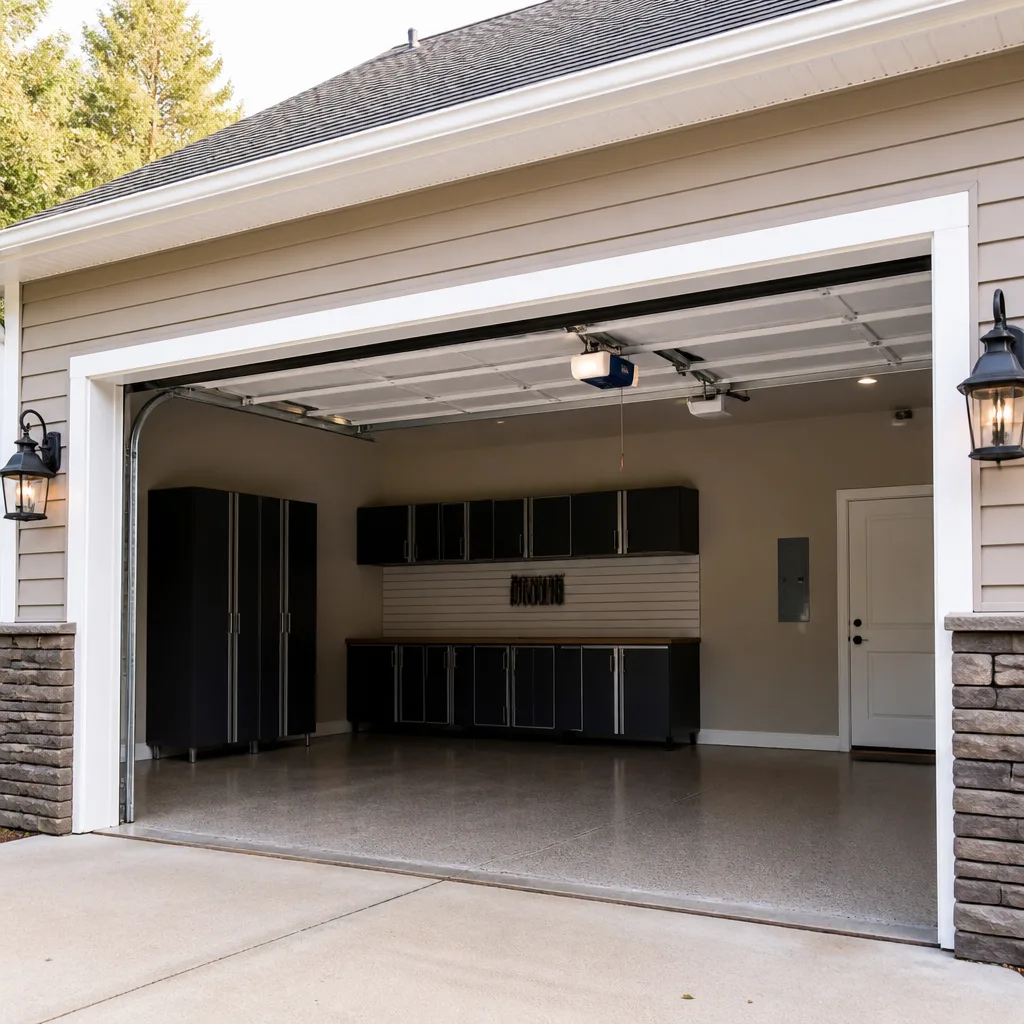 Chamberlain openers
Full 25-point door and opener safety check with every visit - springs, cables, rollers, tracks, and your LiftMaster or Chamberlain opener included
You get a price before we start. It does not change when the pro arrives.
Get your free estimateGarage Door Repair Maintenance Checklist for Centennial Homeowners
The number-one finding on Centennial maintenance calls isn’t a snapped spring or a dead opener. It’s a door that’s been quietly out of balance for months while the opener motor burned itself out compensating. Homeowners rarely notice because the door still opens. It just sounds a little different, drags a little more, and one morning the motor gives up. This guide is built around the failure patterns our technicians actually encounter across Centennial, ranked by how often they show up and how much grief they cause. You’ll get a task-by-task checklist organized by frequency, a balance test you can run yourself, lubricant advice for Colorado’s dry air, and a clear line between safe DIY checks and jobs that can hurt you.
Quick Answer
A realistic garage door maintenance checklist for Centennial homeowners runs on three cycles: monthly visual checks from the ground, quarterly mechanical checks with the door closed, and one annual service visit for springs, cables, and opener calibration. The single most valuable habit is the halfway-lift balance test, because an unbalanced door is the earliest warning sign of spring wear and the most common cause of premature opener failure.
Styles & brands we work with
- Raised-panel steel
- Carriage house
- Modern flush
- Full-view glass
- LiftMaster openers
- Chamberlain openers
Table of Contents
- Monthly Visual Checks: Five Minutes, Five Things
- The Halfway-Lift Balance Test and What It Really Tells You
- Quarterly Mechanical Checks You Can Do Safely
- Lubrication in Colorado’s Dry Climate: What Actually Works
- Cable and Roller Wear Indicators You Can Spot From Ground Level
- Opener Maintenance: The Component That Fails Most Often
- Annual Professional Service: What It Covers and Why It Matters
- What Looks Simple but Isn’t: Springs and Cable Drums
Monthly Visual Checks: Five Minutes, Five Things
You don’t need tools for the monthly pass. You need five minutes, daylight, and the willingness to look at your door the way a technician does. Do this with the door closed, standing inside the garage where it’s safe. Our technicians have up to 9 years of experience, and the calls that turn into bigger repairs usually trace back to something visible for weeks before it failed.
- Look at the springs. On a torsion system the springs sit on a shaft above the door. On an extension system they run along the horizontal tracks. You’re looking for visible gaps in the coils, a stretched or sagging section, or rust. Any of those means spring wear has started, even if the door still works.
- Check the cables. The two cables run from the bottom corners up along each side. Look for frayed strands, kinks, or a cable hanging loose from its drum. A frayed cable is a failure waiting to happen and shouldn’t be touched.
- Scan the rollers. Rollers sit in the hinges along each side of the door. They should look round and sit evenly in their brackets. Flat spots, chips, or missing ball bearings inside a roller mean replacement is close.
- Walk the perimeter seal. Look at the bottom weather seal and the side jambs. A seal that’s flattened, cracked, or separated lets in the fine dust and grit that Centennial’s wind carries, and that grit finds its way onto the tracks.
- Eyeball the tracks. From the side, tracks should be straight and parallel. Dents, bends, or a track pulling away from the wall are worth noting. Don’t try to bend a track back yourself; the geometry matters more than it looks.
Write down anything you notice. A small thing noted in March is a cheaper repair than the same thing discovered in July. That’s the whole point of a checklist.
The Halfway-Lift Balance Test and What It Really Tells You
The halfway-lift test tells you whether your springs are still doing their share of the lifting. It’s the most useful two minutes you can spend on a garage door, and it explains more premature opener failures than any other check.
Here’s the safe way to run it. Close the door, then use the wall button or remote to open it about halfway. Stop it. Now pull the opener’s release cord, the red handle hanging from the rail, so the door disconnects from the motor. With the door at the halfway point and the opener disconnected, let go. The door should stay roughly where it is. If it slams down, or runs up on its own, the balance is off.
What the result actually means:
- Holds position: springs are doing their job. No action needed.
- Falls partway or all the way down: spring tension is low. The opener has been pushing the door up with less help than it was designed for, and the motor is working harder on every cycle.
- Rises on its own: spring tension is too high, which strains the opener on the way down and wears the door’s hinges and rollers faster.
- Door binds or sticks partway: could be balance, could be a track, roller, or hinge issue. Either way it’s worth a professional look.
Reconnect the door by running the opener until the release engages, then test the safety reverse before you use it normally. In our experience, a door that fails the balance test by more than a few inches has spring wear that’s already begun. On a garage door repair call, the balance test is the first thing we check, because it’s the fastest read on the whole system.
Quarterly Mechanical Checks You Can Do Safely
Every three months, spend fifteen minutes on the parts that need a closer look. These checks are DIY-safe because none of them require you to touch the springs, the cables under tension, or the cable drums. What you’re doing is checking connections, movement, and the safety systems.
- Wiggle the hinges. With the door closed, try to move each hinge by hand. Loose hinges make the door rattle and work bolts loose. Tightening bolts with a wrench is fine. If a hinge is cracked or the metal around a bolt hole is torn, note it for replacement.
- Test the safety reverse. Put a piece of wood or a brick on the floor under the door and close it. The door should reverse on contact. If it doesn’t, stop using the door and call for service. This is a genuine safety item, not a formality.
- Test the photo-eye sensors. With the door open, wave a foot through the beam between the two sensors at the bottom of the tracks. The opener’s light should flicker, and the door should refuse to close. Wipe the sensor lenses; Centennial’s dust coats them faster than most homeowners expect.
- Listen on a quiet cycle. Run the door and just listen. Grinding, squealing, or a rattle that wasn’t there last month tells you where to look.
- Check the opener’s force settings. The owner’s manual for your opener walks you through the force adjustment. Only adjust it if the manual is clear; otherwise leave it for a professional.
If you have a garage door opener repair issue, the quarterly listen-and-test pass is usually how you’ll catch it. Most opener calls we get in Centennial could have been a small repair if the homeowner had noticed the change in sound a month earlier.
Lubrication in Colorado’s Dry Climate: What Actually Works
Standard white lithium grease is the most common recommendation on the internet, and in Colorado it’s also one of the worst choices for your garage door. The dry Front Range air and the big swing between summer heat and winter cold work against grease. It thickens in the cold and traps dust in the heat, and dust is everywhere in Centennial once the wind picks up.
What to use instead, and where:
- Use a silicone-based or synthetic lubricant rated for cold weather. These stay fluid in winter and don’t gum up.
- Apply to the hinges at the pivot points, one small drop or spray each, twice a year.
- Apply to the roller bearings where the roller spins in its bracket. Don’t lubricate the roller’s outer surface; that just collects grit.
- Wipe the torsion shaft and bearing plates with a light coat, not a heavy one.
- Don’t lubricate the tracks. A clean, dry track is what you want. If tracks need attention, wipe them with a damp cloth and let them dry.
- Don’t put lubricant on the spring coils beyond a light coat you can wipe on with a rag. Springs aren’t the place for heavy grease.
Do the lubrication pass in spring and again in fall. Spring catches the dust that comes with the wind, and fall gets the door ready for the cold swings. Two passes a year is enough for almost every door in Centennial, and it’s the single cheap habit that makes the biggest difference to how long hinges and rollers last.
Cable and Roller Wear Indicators You Can Spot From Ground Level
You don’t need to touch anything to see that a cable or roller is on its way out. Get close, use a flashlight, and look for these signs with the door closed and the opener powered off.
Cable wear indicators:
- Strands at the bottom corners of the door look ragged, separated, or kinked instead of lying flat.
- A cable has a “birdcage” look: a small bunching or looping where the strands have loosened.
- A cable on one side looks visibly tighter or looser than the other.
- Rust is creeping along the strand. Rust weakens the cable from the inside out.
Roller wear indicators:
- Rollers sit at an angle in their brackets rather than sitting square.
- A roller wobbles when the door moves, or the door sways side to side in the tracks.
- The roller surface is flat on one side, cracked, or missing its inner bearing.
- The door gets louder going up in one direction than coming down.
Any of these is a sign to have the system looked at. Replace rollers in sets, not one at a time; worn rollers on one side of the door wear faster with old rollers on the other. Cable wear is the one you don’t ignore. A cable that lets go under tension can injure someone, and it can drop a door.
Opener Maintenance: The Component That Fails Most Often
The opener is the part of the system that comes under the most stress, because it’s the part that pays for an out-of-balance door. Every other issue on this checklist usually shows up as an opener problem first. That’s why we treat opener diagnosis as its own service, not an afterthought to door repair.
What the annual opener check should cover:
- Force and travel limits: the opener’s settings should match the actual weight and travel of the door. Settings drift and openers get readjusted by well-meaning homeowners.
- Safety reverse: the contact-reverse test and the sensor test, run fresh each year.
- Belt or chain condition: a slack or noisy belt, or a chain with stretched links, is a wear item worth knowing about.
- Gear and sprocket wear: audible grinding on a screw-drive or chain-drive opener is often gear wear. That’s a service item, and ignoring it usually turns into a full opener replacement.
- Battery backup (where fitted): test the backup battery so it works when you need it.
If your opener is a Genie or a LiftMaster, the differences in how the force and travel settings behave are small but real, and knowing them saves diagnostic time. In Centennial, most of the openers we see are one of a handful of common brands, and we’re fluent in the ones that come up most on Centennial service calls.
Annual Professional Service: What It Covers and Why It Matters
An annual professional service is the one checklist item you can’t do yourself, because it covers the parts that hold the door’s weight. It’s where spring tension, cable condition, and opener calibration get measured rather than eyeballed. Here’s what a real annual service should include:
- Spring tension check and adjustment, with a note on remaining life.
- Cable inspection along the full run, including at the drums.
- Roller and hinge replacement for anything worn.
- Track alignment check and correction.
- Opener force, travel, and safety-reverse calibration.
- Balance test result, written down, so you can compare it next year.
- Written estimate for anything that needs fixing, before any work starts.
That last point matters more than the rest. You should never get a surprise invoice. The price is set per job by the written estimate, and you agree to it before a technician touches anything. If a service visit turns up a larger repair, you’ll get a written number to think about, not a bill.
Annual service is also where doors from Clopay, Amarr, and Wayne Dalton tend to show predictable wear that’s specific to the construction. The hardware differs, the spring arrangement differs, and a technician who has worked on those brands quickly recognizes what’s normal and what’s failing.
What Looks Simple but Isn’t: Springs and Cable Drums
Some matters of garage door maintenance look like home projects and are actually some of the most dangerous tasks in a home. Springs and cable drums are the two clear cases. A torsion spring is under hundreds of pounds of tension in its mounted position; it doesn’t have a benign “loosened” state. The energy has to go somewhere, and if you release it with a household wrench you can lose fingers or worse. Cable drums are just as serious. The cables wind onto the drums under tension, and if a cable lets go while you’re near the drum it can whip across the garage.
A trained professional uses the right winder and knows how to hold the system safely. Call a professional for:
- Any spring repair, adjustment, or replacement, torsion or extension.
- Any cable work, including reattaching a cable that’s come off its drum.
- Any work near the cable drums, even a “quick look” turning into a bolt check.
- A door off its tracks, or a door that has fallen.
- An opener that reverses, doesn’t reverse, or makes a grinding noise after a safety setting adjustment.
If any of these apply, stop using the door and call a professional. The door can wait one day; the injury can’t be undone. Our team treats spring and cable work as an “eyes and hands off” zone for homeowners, and we’d rather do a small safe repair than see a homeowner hurt by a job that looked easy.
Common Mistakes to Avoid
- Greasing the tracks. Lubricated tracks collect grit and dust, and the door starts dragging instead of rolling. Wipe them clean and keep them dry. In Centennial’s dust, a greased track wears rollers faster than a clean one.
- Adjusting an opener’s force setting to hide a balance problem. Turning up the force makes the door move but doesn’t fix the spring. The motor wears itself down compensating, and eventually it fails.
- Replacing one roller instead of a full set. A new roller next to four old ones wears unevenly, and the door sounds worse than before. Replace rollers in sets.
- Using a household wrench on a spring. This is the mistake that ends in the emergency room. Springs are one of the few garage door jobs that aren’t home-project material, no matter how straightforward it looks.
- Skipping the balance test because the door “still works.” A door can work while out of balance for months. The balance test is how you catch it before the opener fails.
- Ignoring a small drip or rust spot. Rust on a cable or spring isn’t cosmetic; it’s the early stage of a failure. Note it and get it looked at.
- Assuming a new opener will fix a noisy door. If the door is out of balance or the rollers are shot, a new opener inherits the same problem. Fix the door first, then the opener.
See the difference
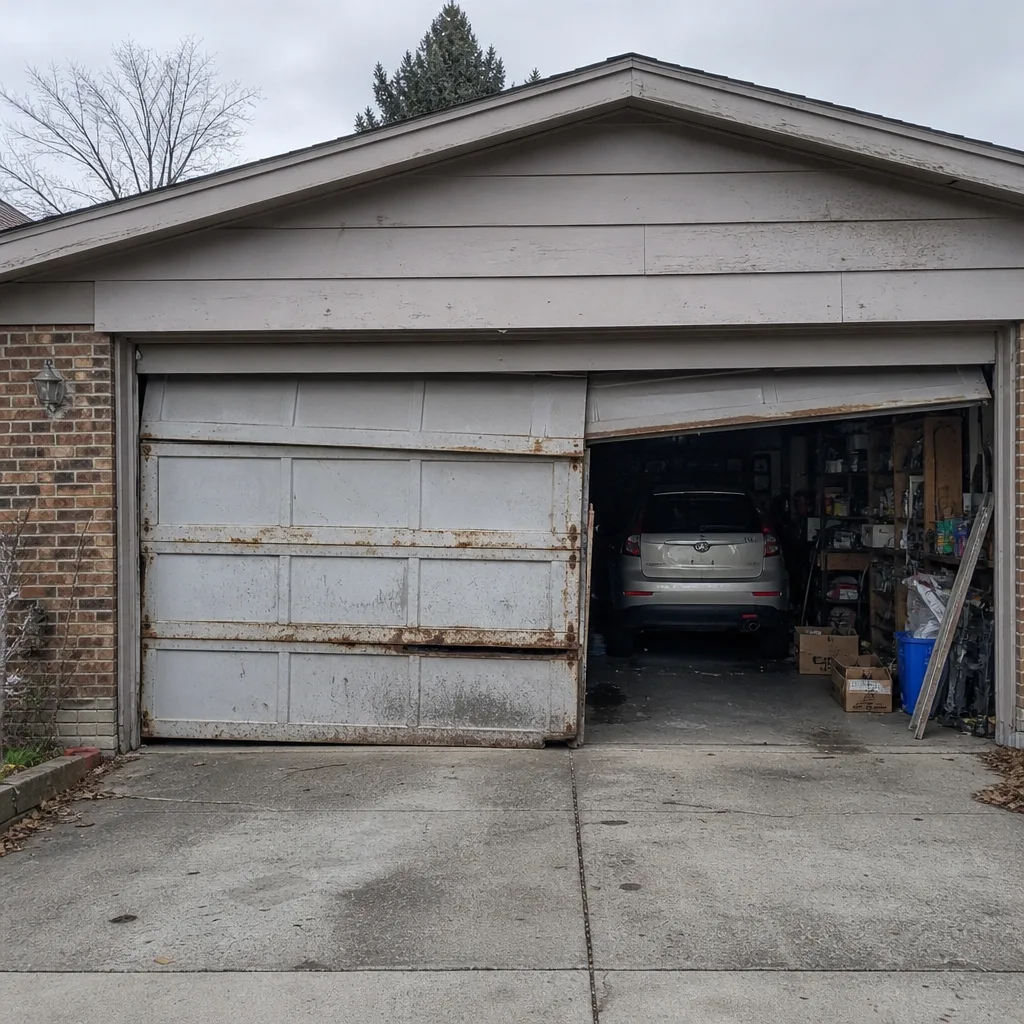 Before
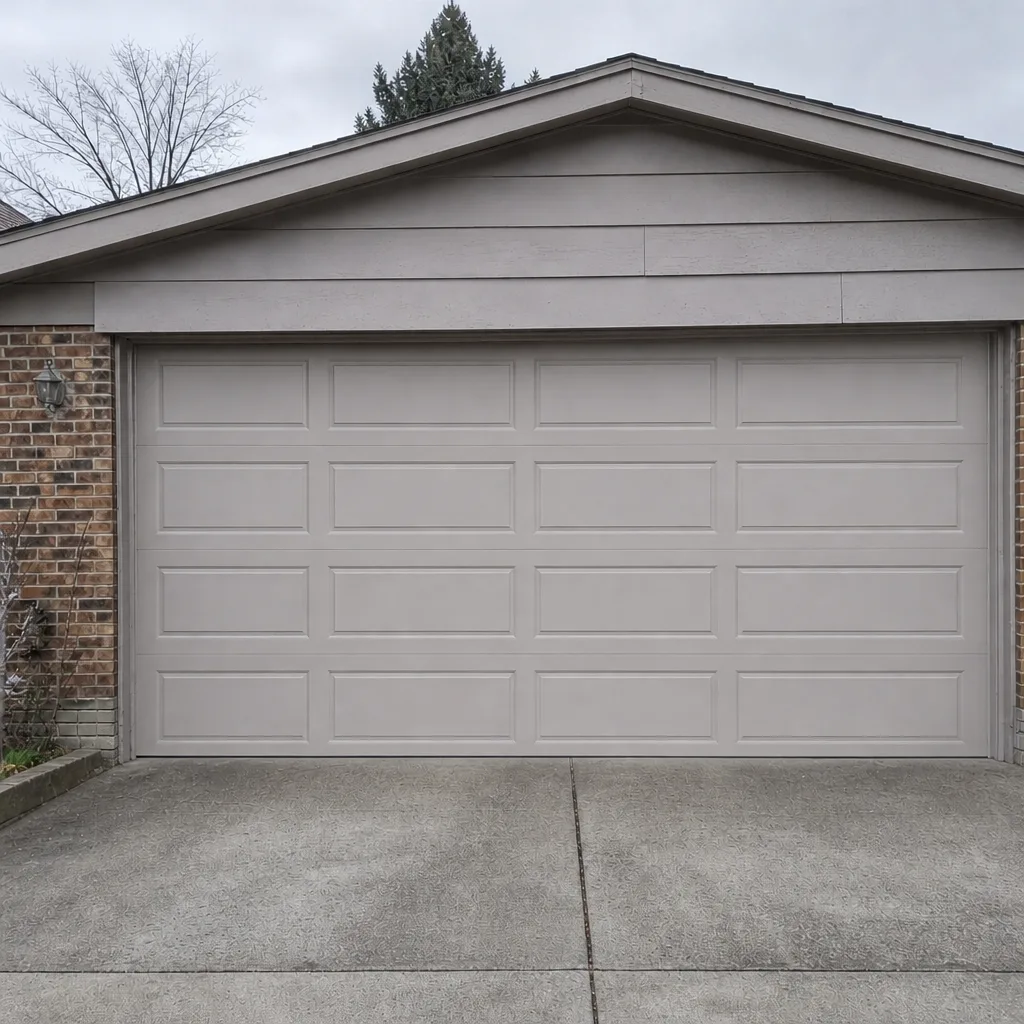 After
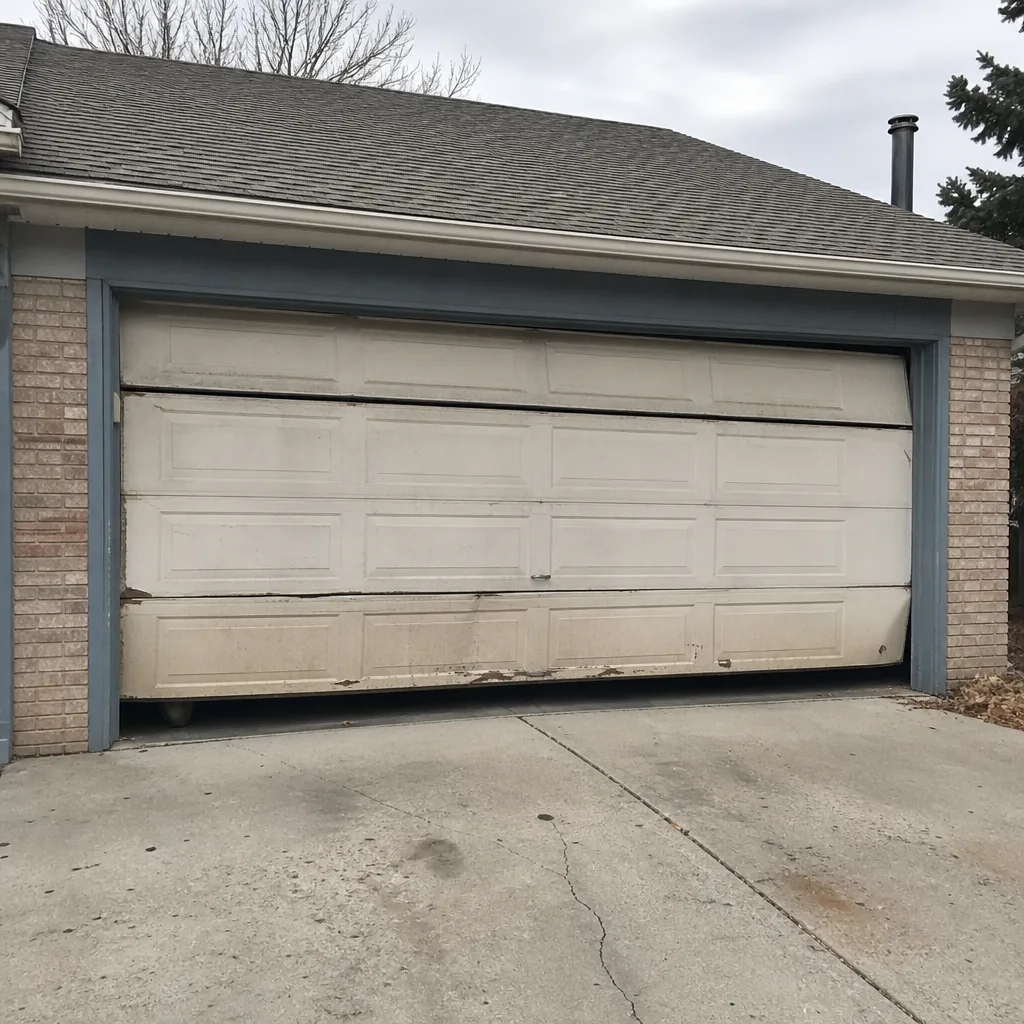 Before
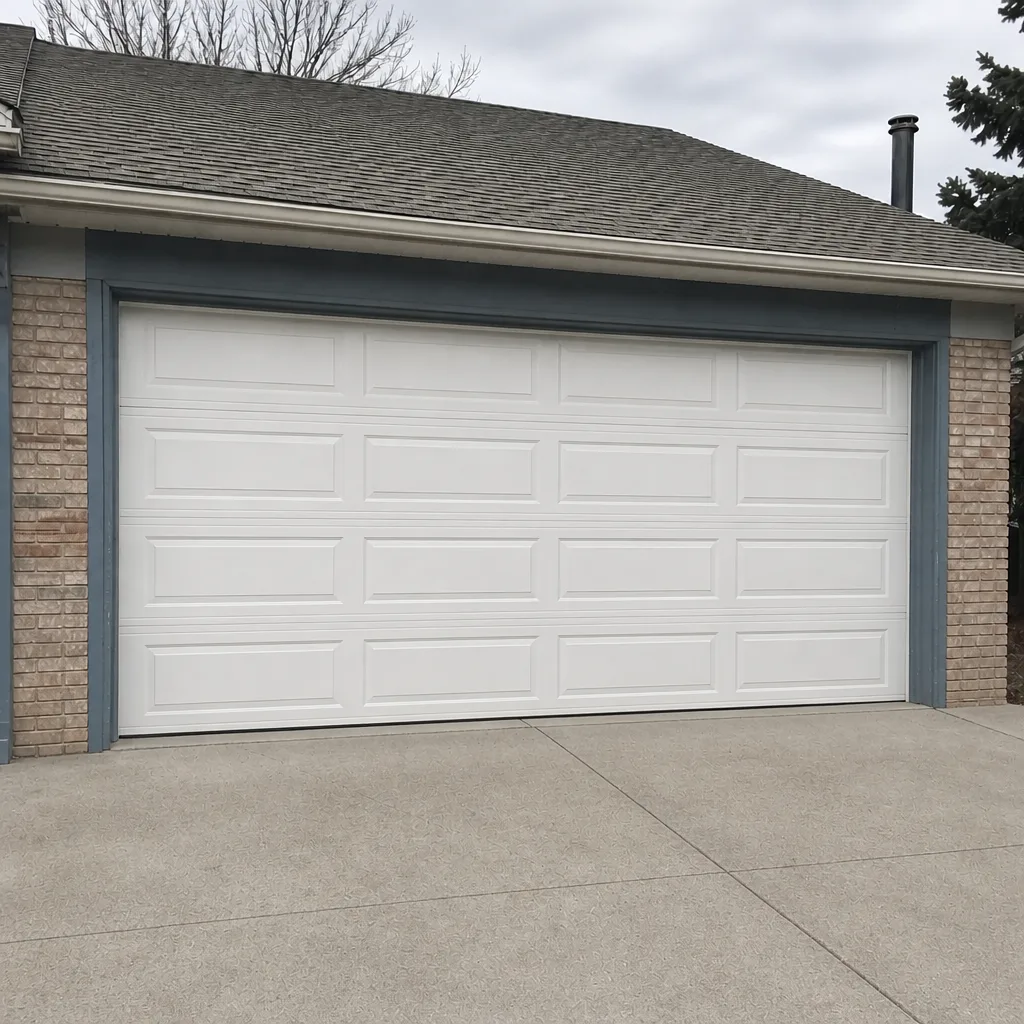 After
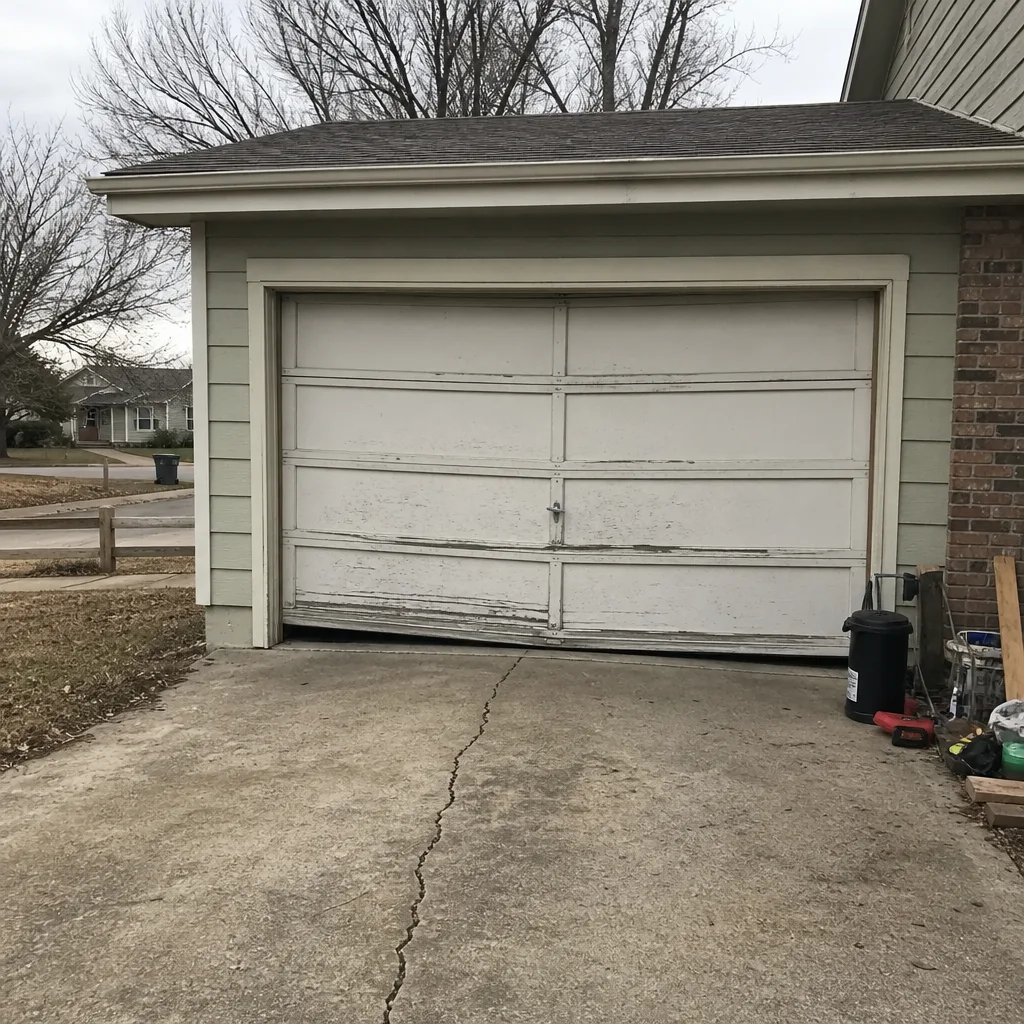 Before
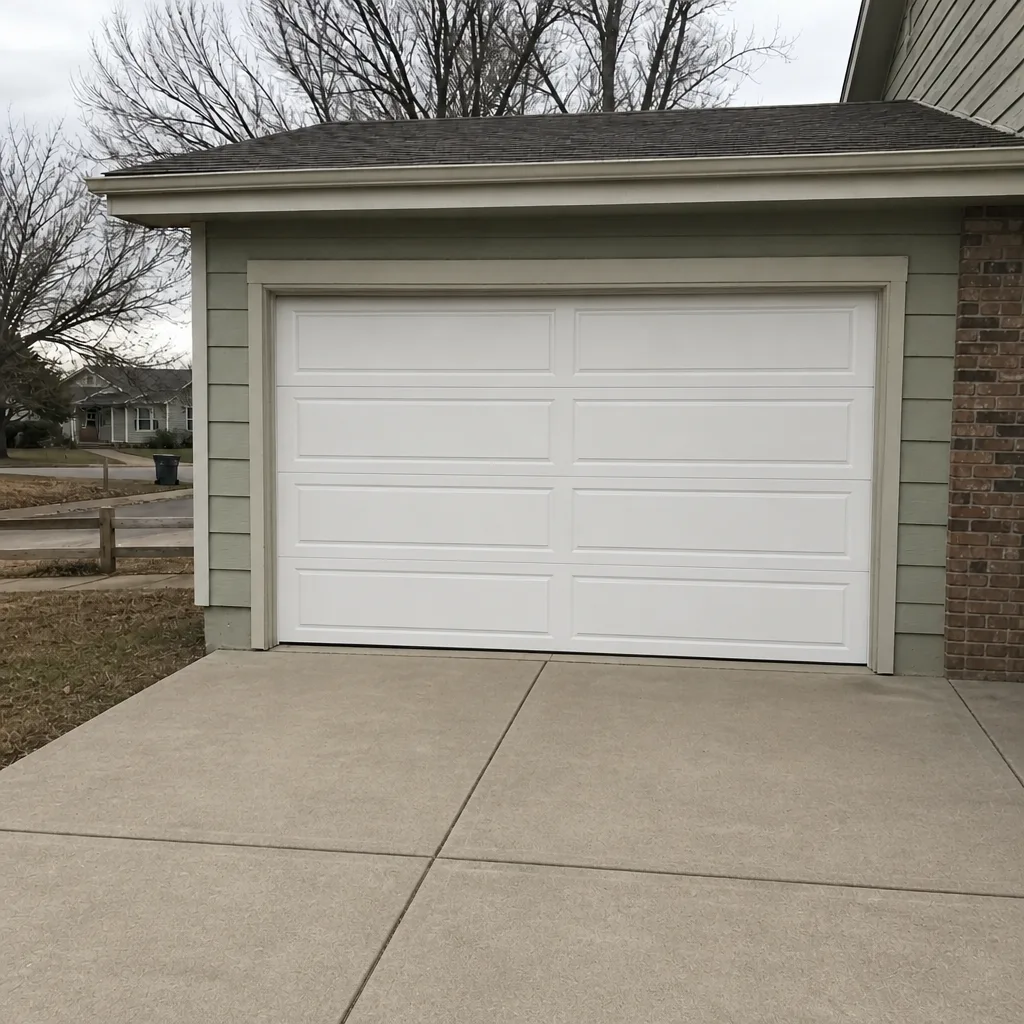 After
When to Call a Professional
Call a professional for any spring or cable issue, any door that has come off its tracks or fallen, any opener that fails the safety-reverse test, and any door that’s failed the balance test by more than a few inches. Also call if you’ve heard a grinding noise, felt the door come down harder or faster than it used to, or noticed cable fraying or rust at the bottom corners of the door. If you’re not sure whether something is a small fix or a serious one, a quick call is cheaper than guessing. Lockhart Garage Door Service offers free estimates in Centennial. Call (844) 834-3842. We answer 24/7, with fast dispatch from 7am to 7pm, Sunday through Friday. A call outside dispatch hours is booked into the next opening.
Frequently Asked Questions
Once a year is right for most homes, with monthly visual checks and quarterly safety tests done yourself. Colorado’s dry air and dust mean hinges and rollers wear a bit faster than in humid climates, so two lubrication passes a year in spring and fall are worth adding to the annual service. If your door gets heavy use, or it’s over a decade old, ask for a balance test at each service and write the result down so you can compare year to year.
It means your springs aren’t lifting their share of the door’s weight, and the opener is making up the difference. A door that drops partway means spring tension is low; one that rises on its own means it’s high. Either way, the opener is working harder than it was designed to, and that’s the most common cause of an otherwise healthy opener burning out. Have the springs and cables checked before the opener fails.
You can wipe a very light coat of lubricant on the coils with a rag, keeping your hands clear of the coil gaps. You should not adjust, wind, unwind, or remove a spring. A torsion spring holds enough energy to cause serious injury, and it should only be handled by a trained technician with the right tools. When in doubt, leave springs alone and call a professional.
Cold makes grease thicker and metal tighter, so a door that was quiet in summer can get noisy fast in a Centennial winter. It’s usually a sign that the lubricant you’re using is the wrong type for cold, or that the door is due for lubrication and hinge checks. A silicone or synthetic lubricant stays fluid in cold and quietens a door a whole lot better than white lithium. If the noise is grinding rather than squeaking, have it checked.
Run the halfway-lift test. If the door is out of balance, the door is the problem, and the opener is the victim. If the door balances but the opener grinds, strains, or reverses on its own, the opener is the problem. Either way, the balance test comes first. It’s the fastest way to tell a door repair from an opener repair, and it changes what the fix costs.
We work on all the major brands homeowners have in place, including LiftMaster, Chamberlain, Genie, Clopay, Amarr, Wayne Dalton, Craftsman, and Raynor. That means we don’t need to send you elsewhere because your hardware isn’t “the brand we carry.” We see your opener, your springs, and your door for what they are. Call (844) 834-3842 for a free estimate, and we’ll tell you what needs doing and what it costs before any work starts.
The Bottom Line
Garage door maintenance in Centennial comes down to three habits. Check visually every month. Run the halfway-lift test and the safety-reverse test every quarter. Have a professional service the springs, cables, and opener once a year. The balance test is the one that matters most, because an out-of-balance door is the earliest warning sign of spring wear and the most common cause of a burned-out opener. Anything that involves springs, cables, or the cable drums is a call-a-professional job, no exceptions. Everything else, you can do safely. If you want a free estimate on a repair, or a professional eye on a door you’re not sure about, we’re here.
Lockhart Garage Door Service handles garage door repair, garage door opener repair, and garage door installation under one company, so you don’t need to chase down a different vendor for each part of the system. We’re fluent across the brands most Centennial homes have installed, and we work on whatever is already on your door. Ready for a look at your door? Call (844) 834-3842. We answer 24/7. Fast dispatch from 7am to 7pm, Sunday through Friday.
Written by the team at Lockhart Garage Door Service.