
Last updated November 15, 2026
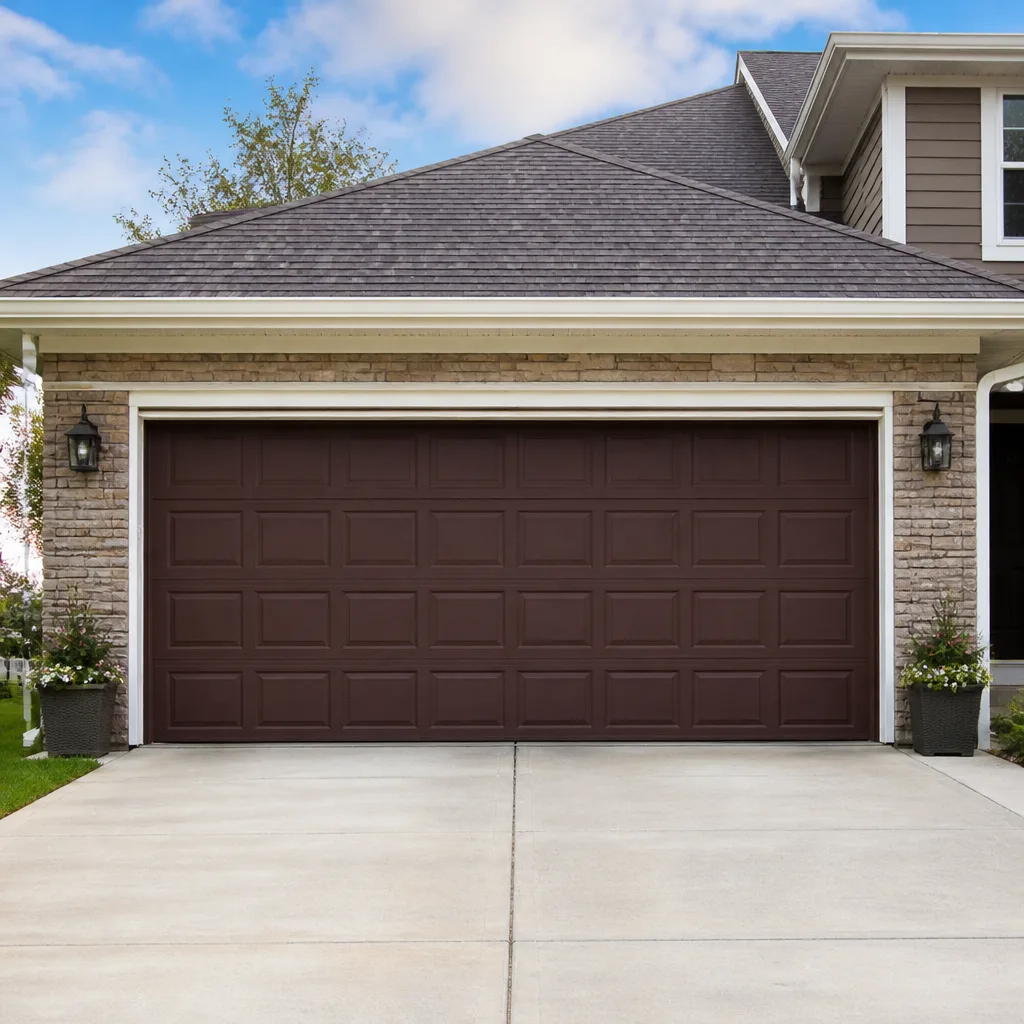 Raised-panel steel
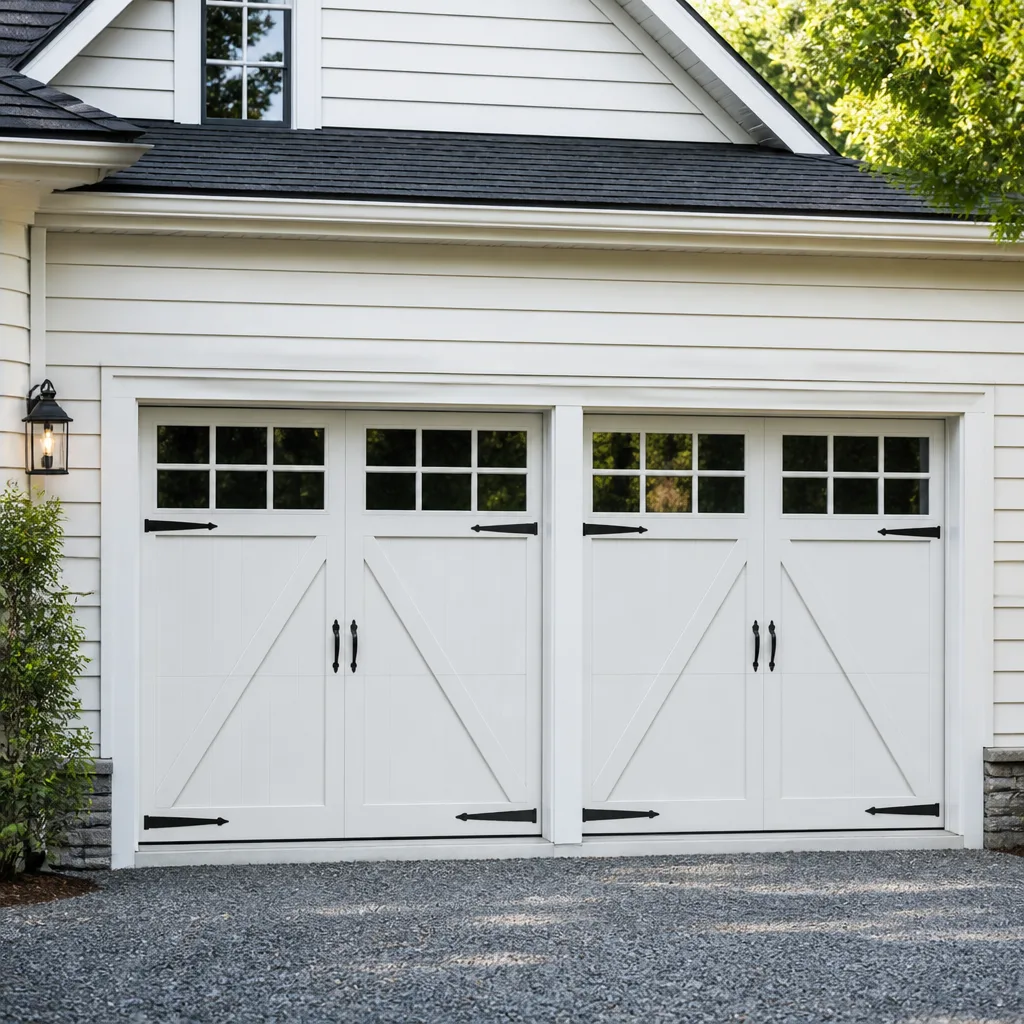 Carriage house
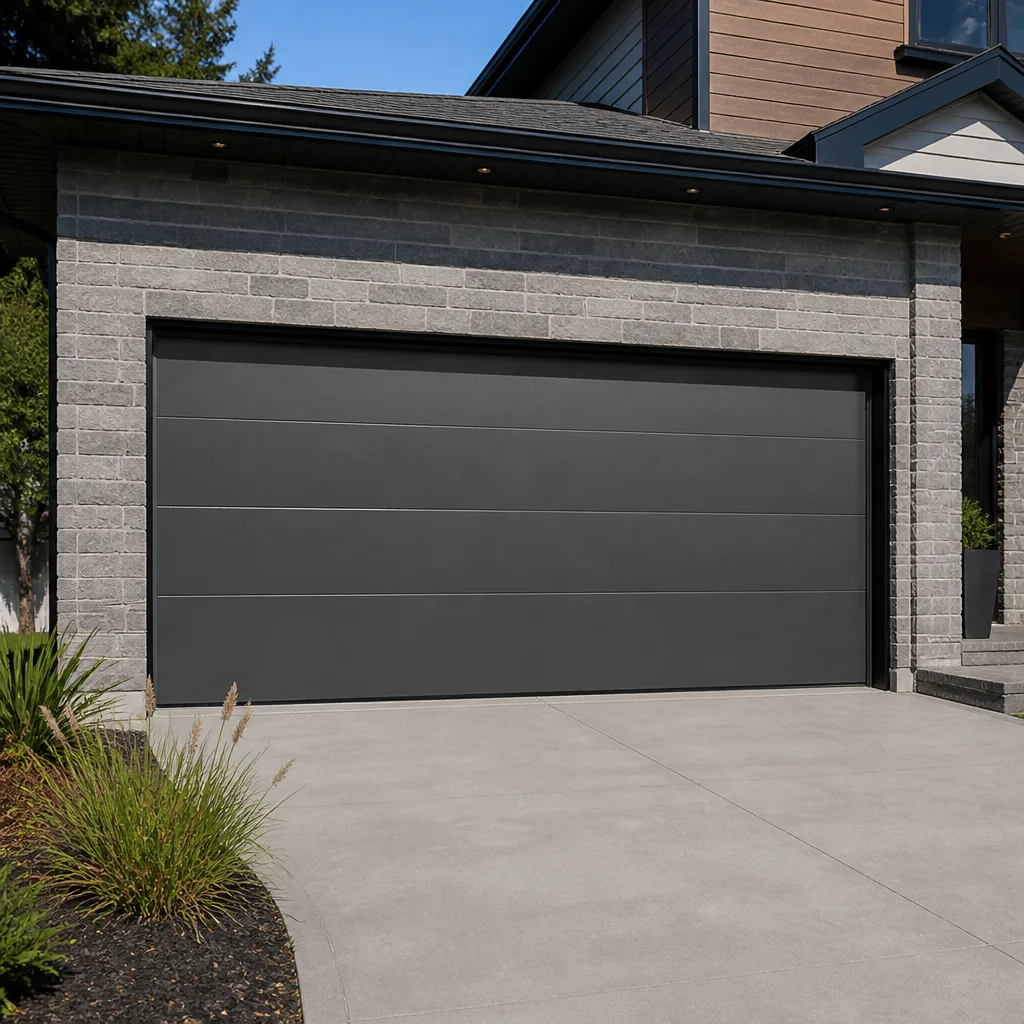 Modern flush
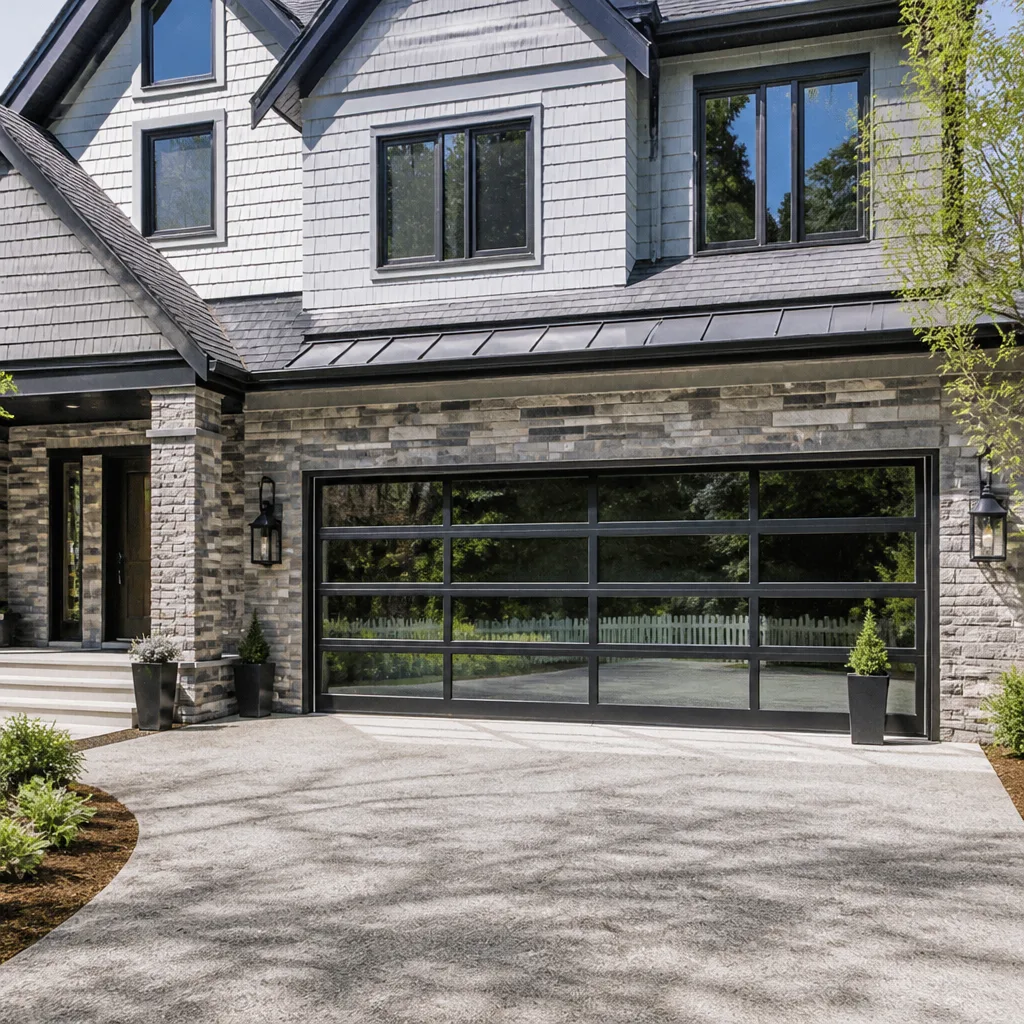 Full-view glass
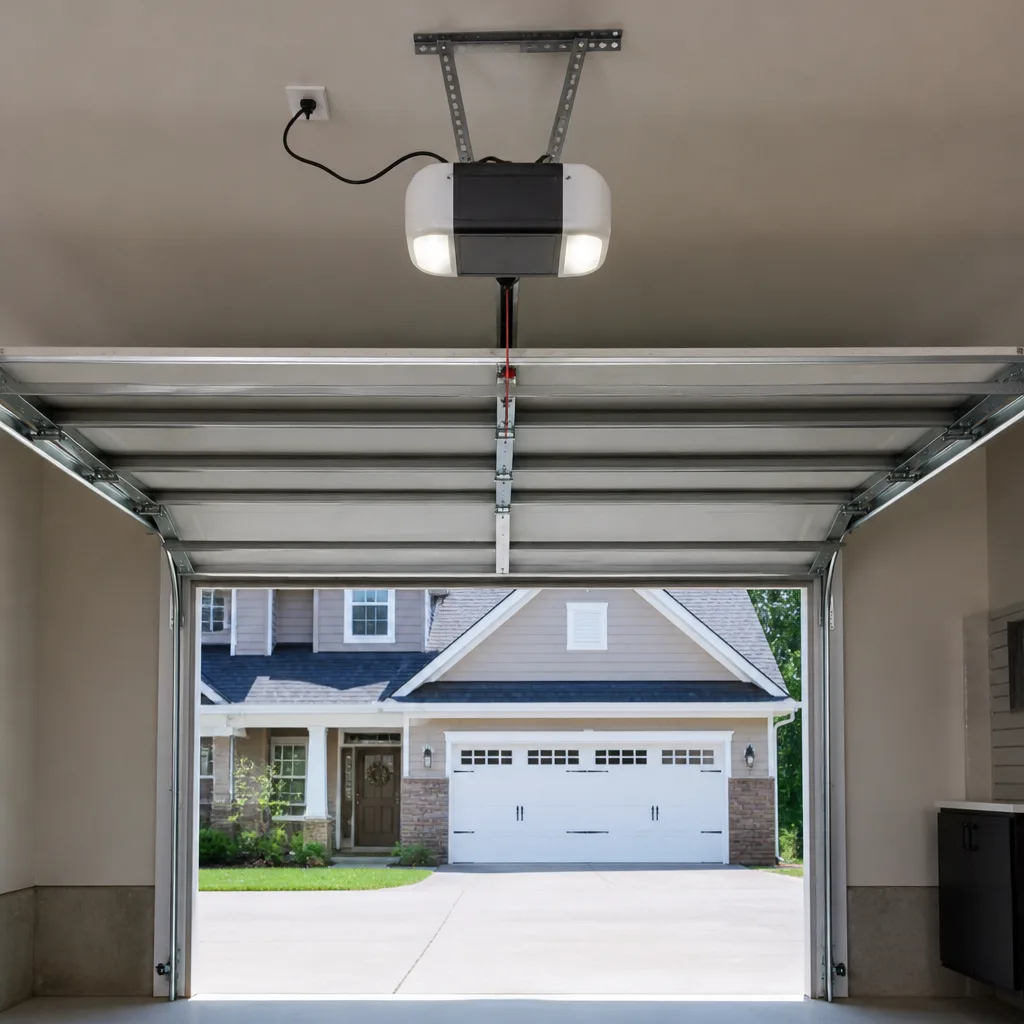 LiftMaster openers
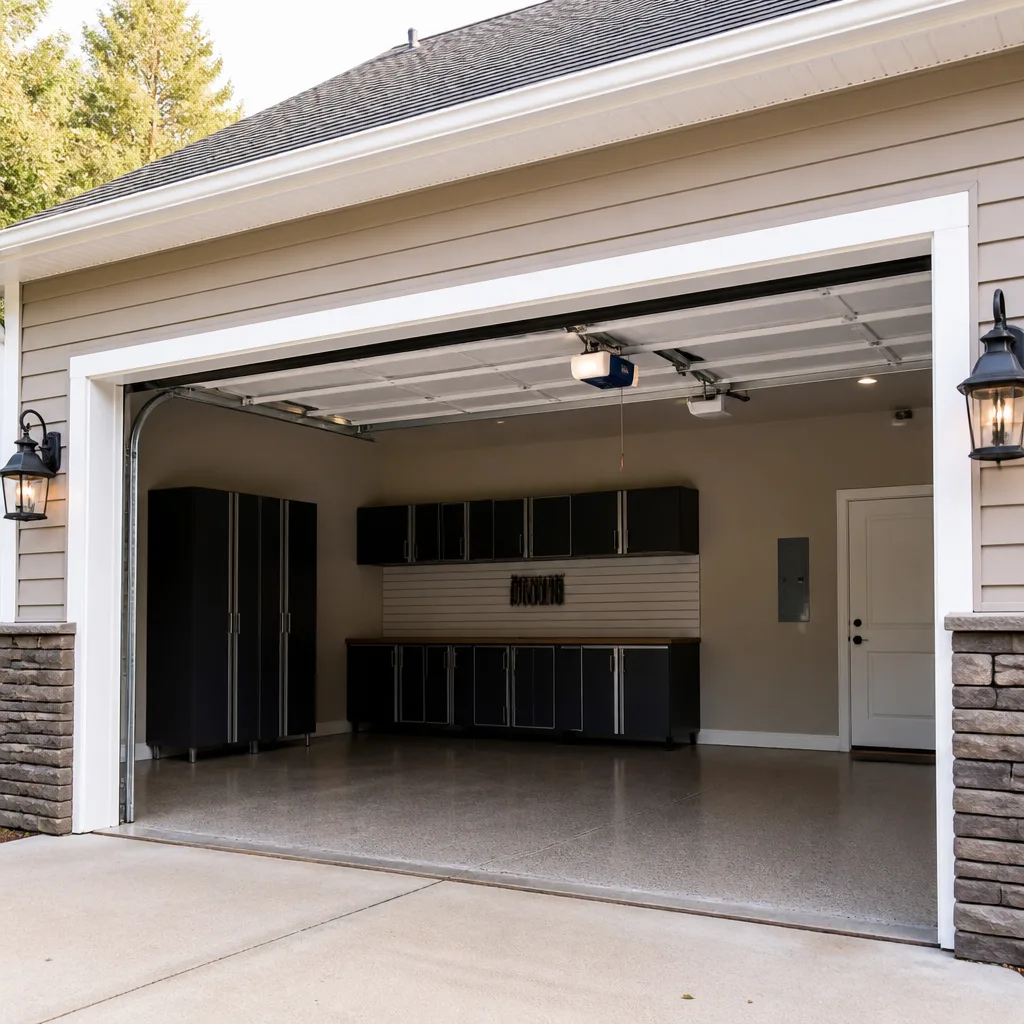 Chamberlain openers
Full 25-point door and opener safety check with every visit - springs, cables, rollers, tracks, and your LiftMaster or Chamberlain opener included
You get a price before we start. It does not change when the pro arrives.
Get your free estimateGarage Door Permits, Codes & Inspections in Centennial, CO: What You Need to Know
Most homeowners here assume a garage door swap is a simple purchase, like replacing a fridge. It isn’t. Whether you need a permit depends on what’s actually changing, and the line between “no permit needed” and “permit required” runs straight through the middle of a typical garage door project. The distinction gets missed constantly, and it tends to surface at the worst possible moment: a home inspection during a sale. This guide walks through when Centennial and Arapahoe County require permits for garage door work, how fire separation rules apply to attached garages, how HOA guidelines stack on top of city code, what the process actually costs and takes, and what an inspection covers. By the end you’ll know how to keep a garage door project clean on paper.
Quick Answer
In most cases, a straight swap of a garage door or a like-for-like opener replacement in Centennial doesn’t require a permit, but any work that alters the structure, framing, header, or fire separation assembly of an attached garage usually does. Because the rules depend on scope, the safe move is to confirm with the City of Centennial’s building department before work begins. A permitted and inspected job protects you at resale; an unpermitted one can follow you through a home inspection.
Styles & brands we work with
- Raised-panel steel
- Carriage house
- Modern flush
- Full-view glass
- LiftMaster openers
- Chamberlain openers
Table of Contents
- Does a garage door replacement need a permit in Centennial?
- City of Centennial vs. Arapahoe County: who issues the permit?
- Fire separation and the attached-garage code requirement
- How HOA architectural guidelines interact with city code
- Permit timeline and cost: budgeting realistically
- What happens during a garage door inspection
- Licensed contractor vs. handyman: who handles the permit
- Common mistakes to avoid
Does a garage door replacement need a permit in Centennial?
Sometimes. It depends entirely on scope, not on the price of the door. The permit question is about whether your project touches the structure, framing, or life-safety systems of the home. If it does, expect a permit. If it doesn’t, the project usually falls outside the permit requirement.
Here’s the practical way we think about it, because we deal with this question on installation jobs in Centennial constantly:
Usually no permit required:
- Replacing the door panel assembly with a same-size door in the existing opening, with no framing changes
- Replacing the overhead door opener with a like-for-like unit, using the existing mounting points and existing electrical circuit
- Swapping torsion springs, cables, rollers, hinges, or tracks as part of a repair
- Replacing weather seals, bottom rubber, or trim that isn’t part of the fire separation assembly
Permit usually required:
- Enlarging or altering the opening, header, or framing
- Changing the door type in a way that alters the opening dimensions
- Adding a new garage door opening where none existed
- Any change to the fire separation assembly between an attached garage and the dwelling
- Modifying electrical work to serve a new opener location, if the change goes beyond swapping a plugged unit
That last one catches people. Adding a new outlet or reconfiguring wiring for a new opener is electrical work, and electrical work almost always needs a permit. A simple replacement of a LiftMaster or Chamberlain unit that plugs into an existing outlet is a different story.
The honest answer is that the City of Centennial’s building department has the final say, and their answer is the one that matters. A short phone call before you start is worth 20 minutes of your afternoon. If you’re working with us on garage door repair, we can tell you from the first walk-through whether the job is likely to cross that line, but the city code official is the authority.
The reason this matters so much here: Centennial has a lot of attached-garage homes built across several decades, and the framing and fire separation details vary. Two homes on the same street can have different wall assemblies depending on when they were built. That variance makes the “it’s just a door swap” assumption riskier than it sounds.
City of Centennial vs. Arapahoe County: who issues the permit?
Centennial is a home-rule city, and since incorporation it has handled its own building permitting through the City of Centennial Building Division. Most residential projects inside city limits are permitted through the city, not Arapahoe County. That means when you call to confirm requirements, you’re calling Centennial, not the county seat.
Here’s where homeowners get tripped up. Some addresses in the broader Centennial area fall in unincorporated Arapahoe County, and those go through the county’s building department instead. The difference matters because the two jurisdictions can have different submittal requirements and inspection scheduling. If you’re not sure which one applies to your address, the city or county can confirm by address.
What to have ready when you call or look up your address:
- Your full property address and whether it’s inside Centennial city limits
- A short description of the work: “replacing the door with the same size,” “replacing the opener,” or “altering the opening”
- The existing opening dimensions (width and height of the door)
- The planned door dimensions
- Whether the garage is attached or detached
- The age of the home, if you know it, since fire separation requirements track building code era
A separate consideration: many Centennial neighborhoods sit within HOAs, and HOA architectural review runs parallel to city permitting, not on top of it. More on that below, because it’s the step homeowners skip most often.
Fire separation and the attached-garage code requirement
This is the part of the code most homeowners have never heard of, and it’s the one most likely to matter during an inspection. The International Residential Code, which Colorado jurisdictions like Centennial and Arapahoe County build from, requires a fire separation between an attached garage and the dwelling. The intended purpose is simple: keep a vehicle fire, or a fire started in a garage, from spreading into the living space before occupants can get out.
The code requirement has a few components that matter for garage door work:
- The wall between the garage and the house is typically required to be a certain fire rating, and that rating is described in code terms rather than as a specific product
- The door between the garage and the house (the “man door” if there is one) must meet the required rating and self-close
- Any penetration or opening between garage and house must maintain the assembly’s integrity
- Draft stopping and sealing around penetrations matter
Where this intersects with garage door work: repairs that involve cutting into or modifying the wall assembly around the door frame can affect the fire separation. So can changing the header or framing in a way that alters the wall. That’s why “is it a permit job?” and “does it touch the fire separation?” are effectively the same question.
This is also where the average handyman tends to fall short. Replacing a door and opener correctly is one thing. Recognizing whether the surrounding assembly is a fire separation, and whether your work affects it, requires knowing the code and the construction of the home. We’re not code officials, but we do know that in Centennial’s mix of attached garages, alterations around the door opening are where the fire separation conversation actually happens.
If a project does cross that line, plan for a permit and an inspection. The cost of cleaning that up after the fact is higher than the cost of doing it right the first time, and the resale conversation is much easier when the paper trail is clean.
How HOA architectural guidelines interact with city code
In many Centennial neighborhoods, city code is only half the story. Most HOAs require architectural review before you change the exterior appearance of your home, and a garage door change unquestionably qualifies. The critical point: HOA rules and city code are separate approval paths. A permit from the city does not satisfy your HOA, and HOA approval does not satisfy the city.
Here’s how the two stack in practice:
- City code governs safety, structure, and life-safety requirements. It doesn’t care what color your door is.
- HOA rules typically govern appearance: door style, material, color, window inserts, and whether a change requires architectural committee review.
- Where the two overlap is on structure: the HOA can’t waive a city requirement, and the city won’t enforce an HOA color rule.
The thing to know before you buy a door: HOA approval usually needs to come before the work, not after. If you install a door the HOA doesn’t approve of, you may end up removing a perfectly good door at your own cost. That’s an expensive lesson for something a quick conversation with the architectural committee would have caught.
What most HOA submittals want to see:
- A spec sheet or photo of the proposed door (material, color, window configuration)
- Manufacturer and model, since some HOAs restrict certain lines
- The property address and a plan sketch if the opening is changing
- Contractor information
- A timeline for the work
If you’re shopping for a new door and working with us, we’d rather see your HOA guidelines before we order than after. Getting a Craftsman or Raynor door that fits your home and clears the architectural committee the first time saves everyone from a reorder.
Permit timeline and cost: budgeting realistically
If your project needs a permit, factor the time and cost into the budget before you sign. Permit fees in Centennial and Arapahoe County are typically based on a valuation schedule, so a larger project costs more to permit than a smaller one. The exact figure depends on the scope and the jurisdiction, so treat any number as an estimate until the building department tells you otherwise.
Timelines vary by jurisdiction and complexity. A simple residential permit for a scope-level project is usually faster to issue than one that involves structural or fire separation changes. The realistic way to think about it: permit review and inspection add calendar time to a project, and you should plan for that rather than expect the door to go in the day after you order it.
Realistic line items that belong in a fully permitted project budget:
- Permit fee (based on the city or county valuation schedule)
- Door and hardware cost
- Opener, if replacing the unit and the existing one won’t carry the new door’s weight or duty rating
- Installation labor
- Disposal of the old door and opener
- Any trim, framing, or fire separation repair identified during the walk-through
Here’s the part nobody puts on the quote: the cost of an unpermitted project discovered later. If a home inspector catches an unpermitted alteration to the fire separation, the buyer’s side can require a retroactive permit, an inspection, and potentially code-compliant reinstallation on the seller’s timeline. That’s a transaction-killing kind of delay, and it’s entirely avoidable.
Before any work starts, we put the price on paper and you agree to it. The written estimate is the price. That’s true for a simple door replacement and for a project that includes permit-related scope.
What happens during a garage door inspection
A permitted garage door project usually ends with an inspection, and the inspection covers more than the door itself. The scope depends on what the permit authorized, but there’s a predictable shape to these things.
What an inspector typically looks at:
- Opening dimensions and framing. The door goes in the opening the permit described, and the framing around it matches the approved scope.
- Attachment and mounting. The door and track are securely attached, and the opener mounts to structure, not to drywall alone.
- Safety devices. The reversing mechanism and photo-eye sensors work, and they’re positioned as designed.
- Fire separation assembly. If the permit covered any part of the wall between the garage and the house, the inspector confirms the assembly still meets the required rating and is intact.
- Clearances and labeling. Required labels and clearances are in place.
- Electrical, if applicable. Any electrical work under a separate or combined permit gets its own look.
An inspection isn’t an interrogation, but it does reward doing the job right. If a contractor skipped a step on the assembly or didn’t verify the opening before ordering, that shows up here. The value of working with someone who has done this many times in Centennial is that the result is boring. Boring is the goal.
What a homeowner can do to make inspection day smooth: have the door operating normally, clear the garage so the inspector can walk around the vehicle, confirm the opener and sensors work, and have the permit and any plans available. Small things, but they save return visits.
Licensed contractor vs. handyman: who handles the permit
Here’s the difference that matters more than most homeowners realize. A licensed contractor doing garage door work as a specialty will know from your project description whether it’s a permit job, and will build the permit into the plan from the start. A general handyman often won’t, either because it’s outside their scope or because the permit process isn’t part of how they quote.
What to expect from a contractor who handles these projects routinely:
- Scope review up front. They ask about attachment type, fire separation, and structural changes before quoting, not after.
- Permit plan. If a permit is required, it’s in the quote and the timeline.
- Brand and spec fluency. They know the door and opener they’re installing well enough to know whether the existing opener will handle the new door’s weight. That’s a LiftMaster-versus-Chamberlain conversation, not a guess.
- Accountability after inspection. If the inspector flags something, they fix it rather than leaving you to chase it.
A handyman can install a door. What they often can’t do is recognize when the job has crossed into permit territory, and that gap is where the retroactive permit, the failed inspection, and the delayed closing live. On a straightforward like-for-like swap of a Craftsman opener on a standard door in an existing opening, the risk is lower. On anything that touches the wall assembly, it isn’t.
If you’re in Centennial and not sure which side of the line your project is on, that’s the first conversation worth having. We’ll walk the garage, tell you what we see, and be straight about whether it’s a permit job. If it is, the plan includes it.
Common Mistakes to Avoid
- Assuming “it’s just a door” means no permit. The permit question is about scope, not price. A $700 door and a $2,000 door can need identical permitting because both touch the same framing.
- Ordering the door before checking the HOA. In Centennial’s HOA neighborhoods, an unapproved door can mean a removal and a reorder at your cost. Get the architectural committee’s sign-off in writing before you buy.
- Treating city code and HOA rules as the same thing. They don’t overlap the way people assume. A permit doesn’t satisfy your HOA, and HOA approval doesn’t satisfy the building department. Both may apply.
- Skipping the fire separation question on an attached garage. This is the single most misunderstood part of the code. If the wall assembly is affected, that’s where a job changes character.
- Using a general handyman for a scope that needs a permit. You can end up with a working door and a paper problem. The door works fine; the file at the building department doesn’t.
- Forgetting that a new opener can trigger electrical scope. A like-for-like plug-in swap is one thing. A new outlet or circuit for a new opener position is a separate job with its own permit.
- Waiting until a home inspection to find out. If you plan to sell, run the permit question before you list, not during the buyer’s inspection period. The seller’s timeline is the tight one.
See the difference
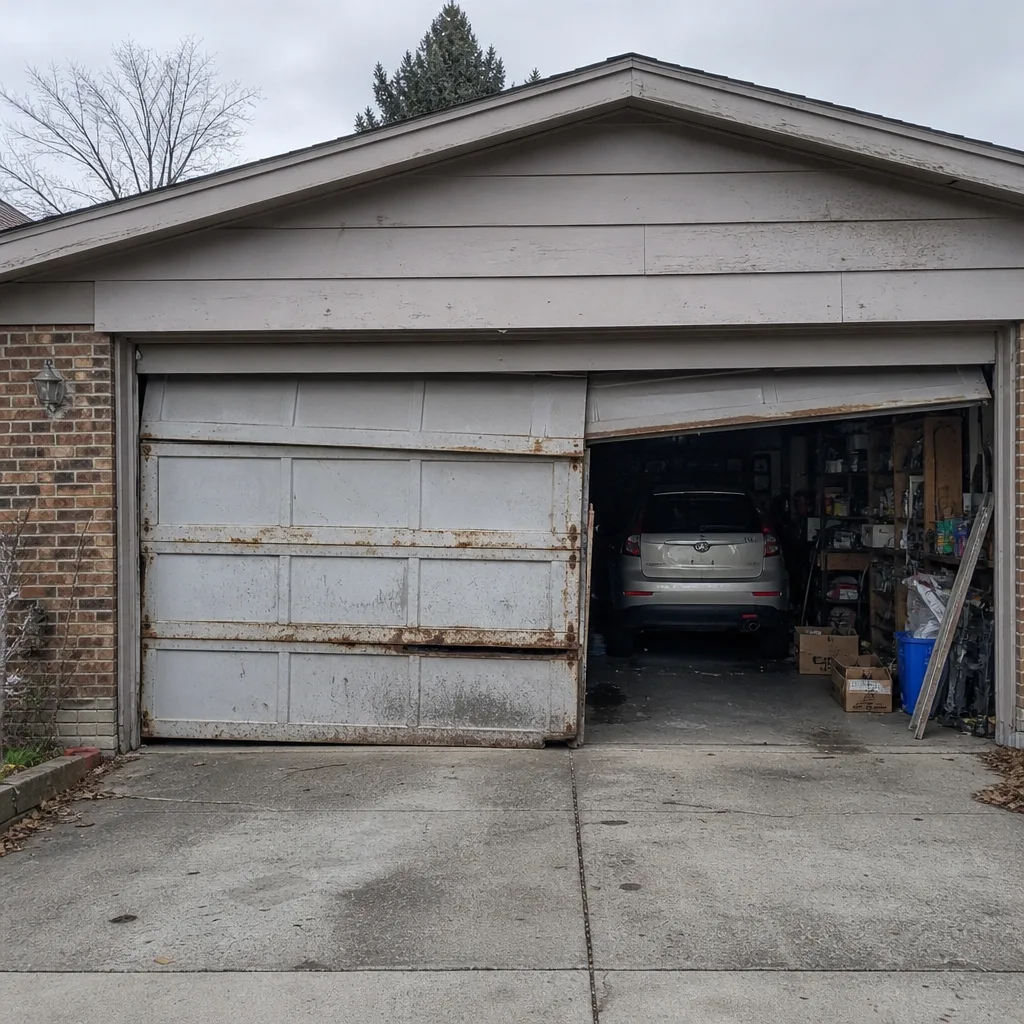 Before
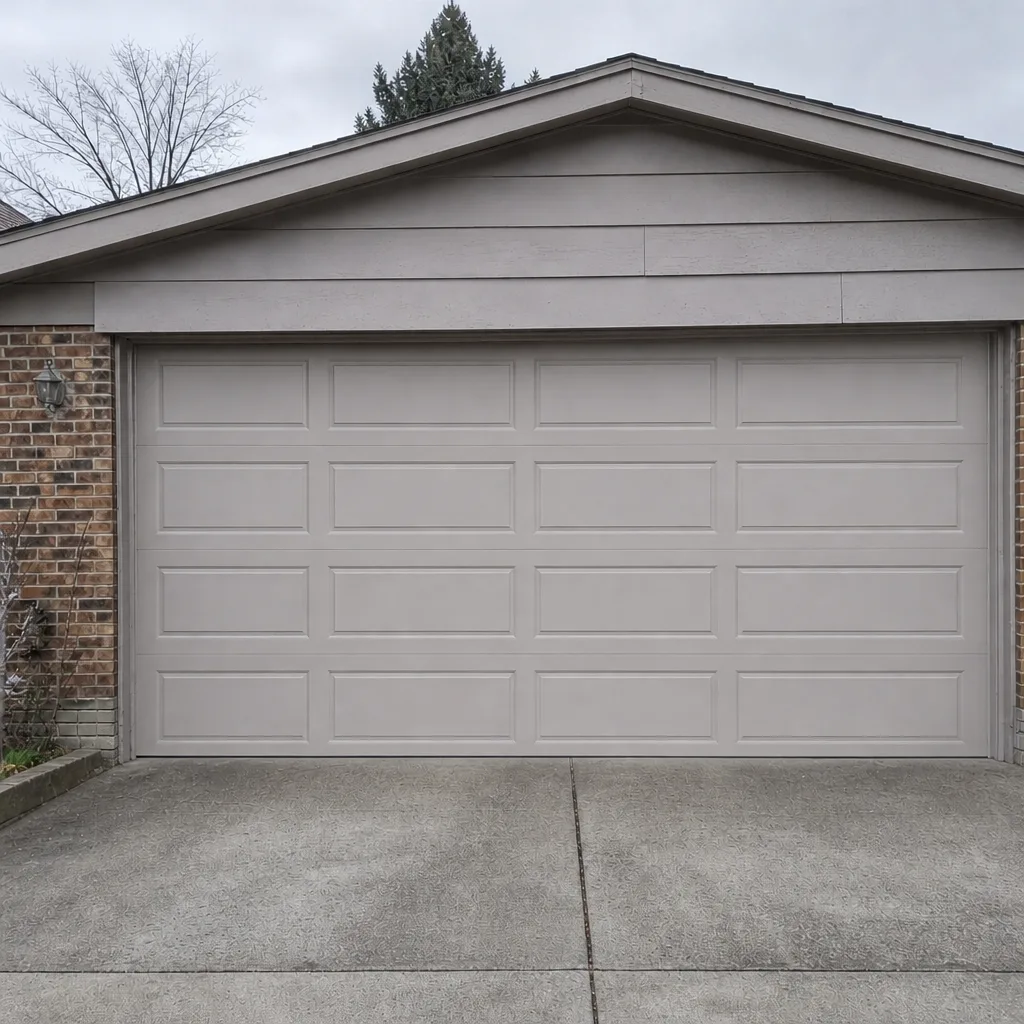 After
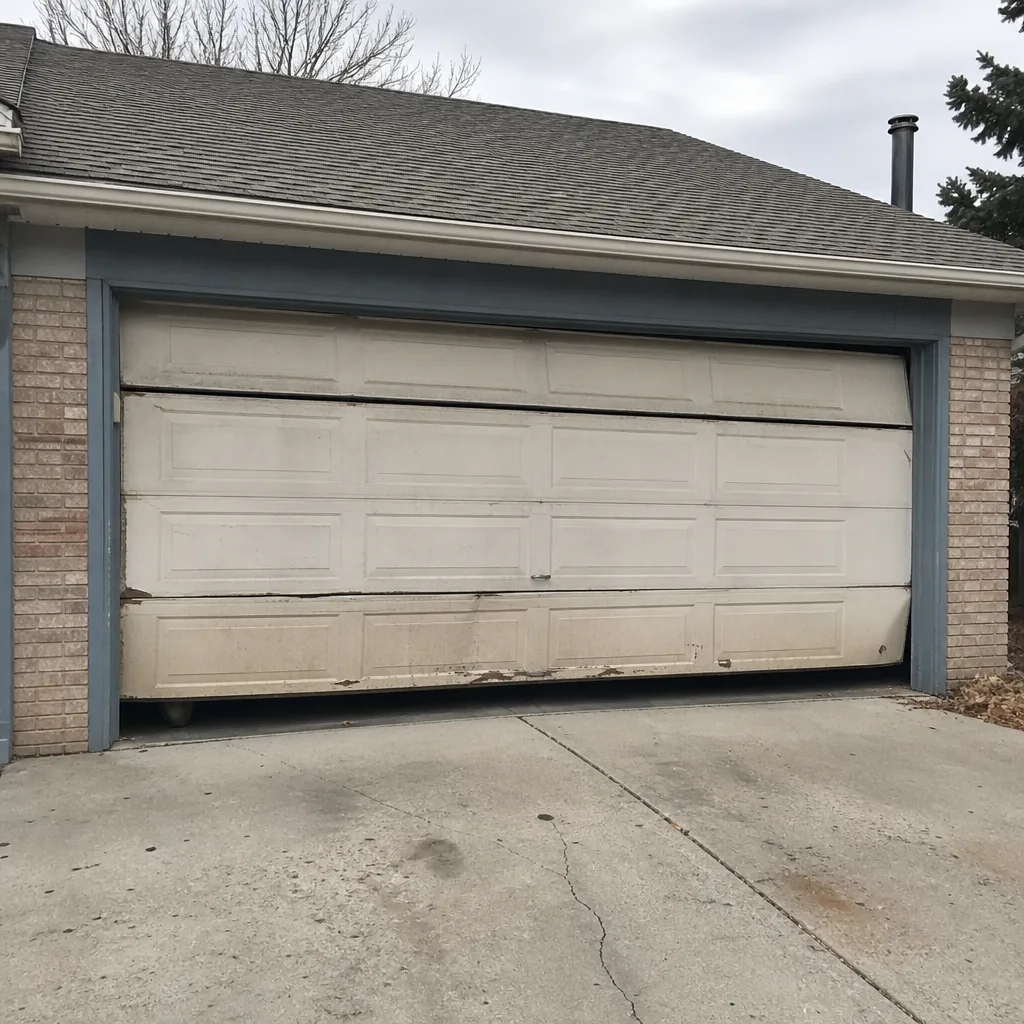 Before
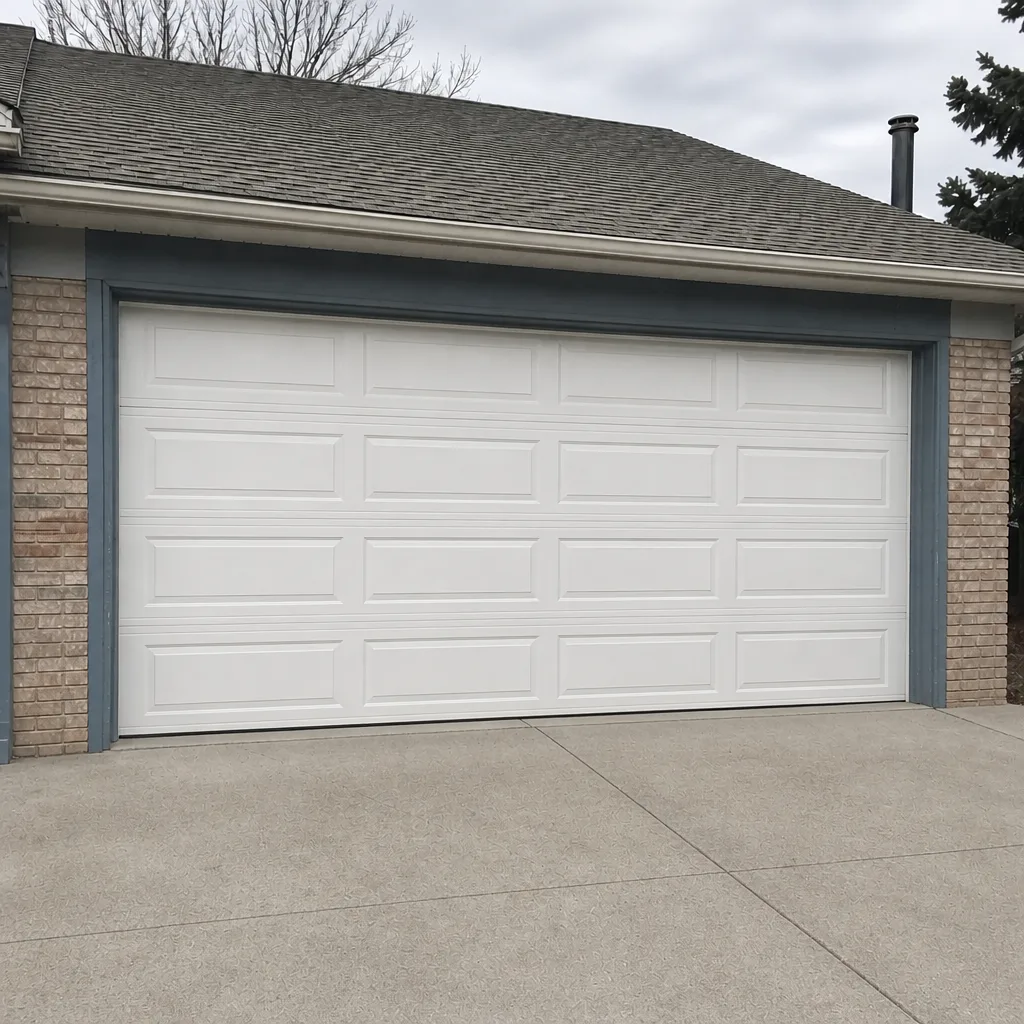 After
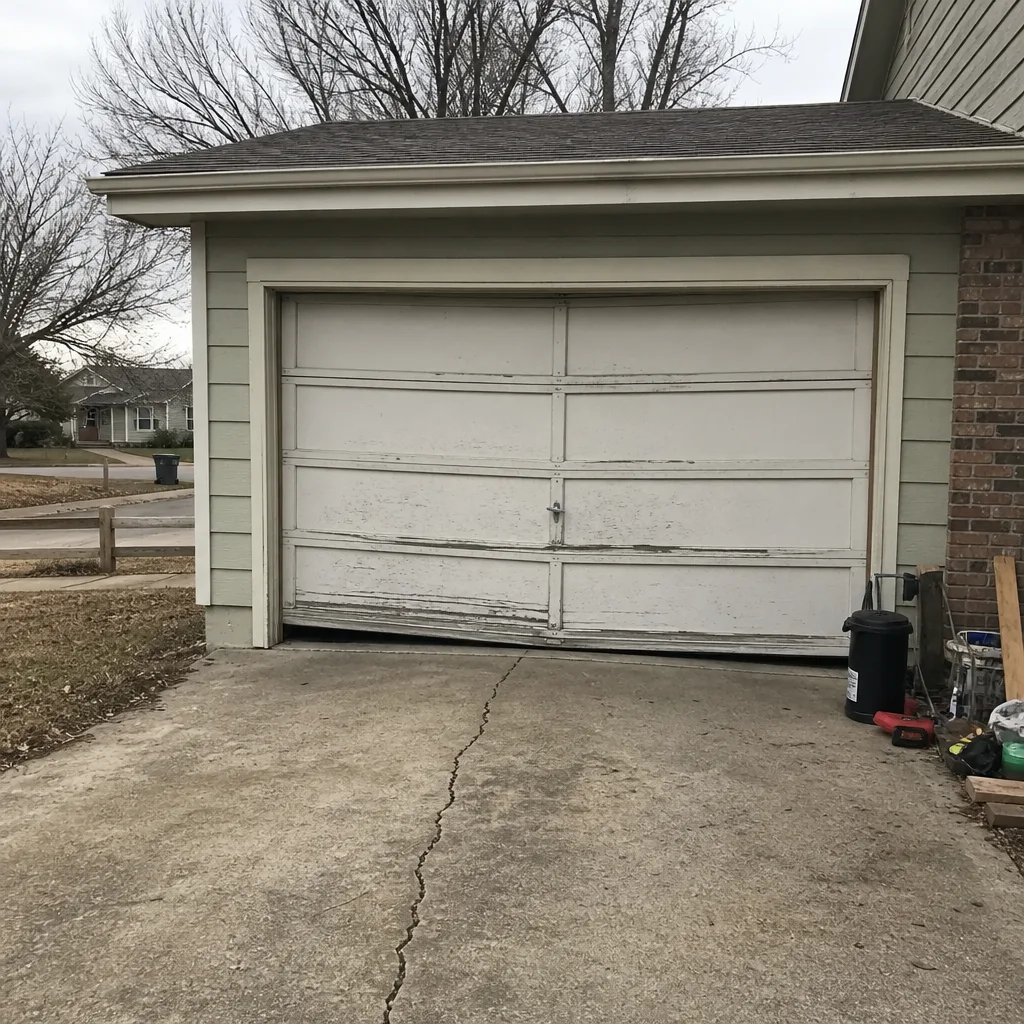 Before
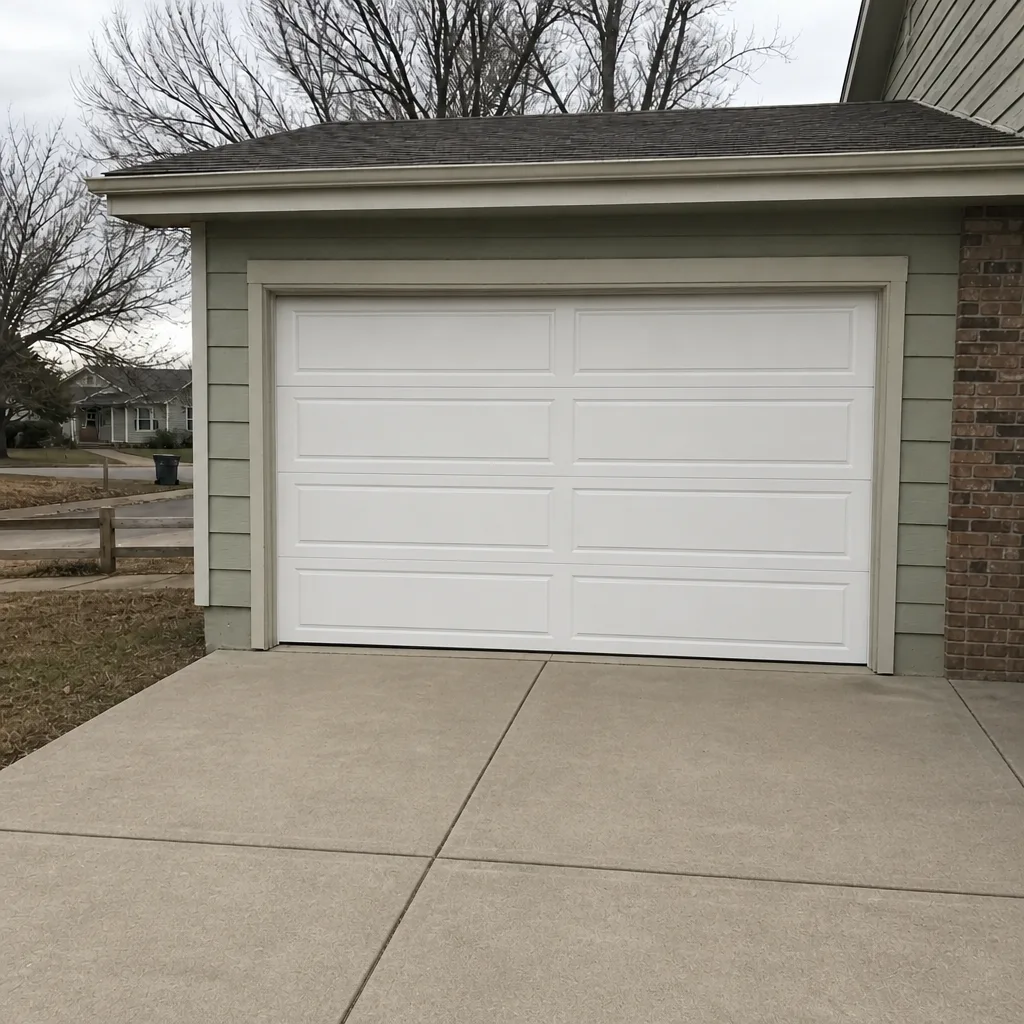 After
When to Call a Professional
Some garage door work is a genuine safety matter, and some of it is a records matter. The safety piece first: high-tension torsion springs and the cables that hold them are under extreme load, and a mistake there can cause serious injury. We don’t give step-by-step DIY instructions for spring work for that reason. That’s a job for a trained technician, every time.
The records piece: if you’re planning a replacement, an opener change, or anything that touches the opening, call before you buy. We can tell you whether the scope is likely to require a permit in Centennial, whether your HOA needs to see the door first, and what the project actually involves. Lockhart Garage Door Service offers free estimates in Centennial – call (844) 834-3842. We answer 24/7. Fast dispatch from 7am to 7pm, Sunday through Friday.
Frequently Asked Questions
Not always. A like-for-like replacement in the existing opening, with no framing or structural changes, usually doesn’t require a permit. Any project that alters the opening, header, framing, or fire separation assembly of an attached garage usually does. Confirm with the City of Centennial’s building department by address before work starts, since the answer depends on your specific scope. Call (844) 834-3842 for an exact quote on the door side – estimates are free.
Usually not, if you’re swapping a plug-in unit for a plug-in unit on the existing circuit and mounting points. If the new opener requires a new outlet, a new circuit, or a relocated opener, the electrical work can push the project into permit territory. Replacing a worn Chamberlain or LiftMaster unit that plugs into the existing outlet is typically outside the permit requirement. Call (844) 834-3842 for an exact quote – estimates are free.
You may be required to obtain a retroactive permit and pass an inspection, and if the work doesn’t meet code, to bring it into compliance on the buyer’s timeline. The door itself can be perfectly functional and the problem still exists on paper. The cleanest path is to sort out the permit question before listing. If you’re facing this now, call (844) 834-3842 to talk through the scope – estimates are free.
Inside Centennial city limits, the City of Centennial Building Division handles residential permitting. Addresses in unincorporated Arapahoe County go through the county instead. The two can have different submittal requirements, so confirm by address before you submit anything. Call (844) 834-3842 if you’d like help figuring out what scope your project actually involves.
It checks the items the permit authorized: framing and opening dimensions, secure attachment of the door and track, safety devices like the reversing mechanism and photo-eye sensors, and any fire separation assembly the permit covered. Electrical scope gets its own look. The goal is to confirm the job matches the approved scope and meets code. Call (844) 834-3842 for a free estimate on the door and opener portion of the project.
Yes, if it violates the association’s architectural guidelines. HOA review is separate from city code, and approval typically has to happen before installation, not after. An unapproved door can lead to a required removal and replacement at your expense. Check the guidelines and get written sign-off before ordering. Call (844) 834-3842 – we’d rather review your HOA spec sheet with you before the door is built.
The Bottom Line
Garage door permits in Centennial come down to one question: does the work touch the structure, the fire separation, or the electrical system, or does it swap parts within the existing opening? If it’s a like-for-like door or opener replacement, you’re usually clear. If anything about the opening or the assembly changes, plan for a permit, an inspection, and the extra calendar time that comes with them. Check your HOA rules in parallel, not after. And get the door on paper before you buy. The cost of doing it right the first time is small compared with the cost of cleaning it up during a home sale.
If you’re in Centennial and want a straight answer on your project’s scope, reach Lockhart Garage Door Service at (844) 834-3842. We answer 24/7. Fast dispatch from 7am to 7pm, Sunday through Friday. Our technicians have up to 9 years of experience, work on LiftMaster, Chamberlain, Genie, Clopay, Amarr, Wayne Dalton, Craftsman, and Raynor equipment, and the written estimate is the price. For a fuller picture of what we do, start at Lockhart Garage Door Service, or look at garage door opener repair and the Centennial service overview.
Written by the team at Lockhart Garage Door Service.