
Last updated November 15, 2026
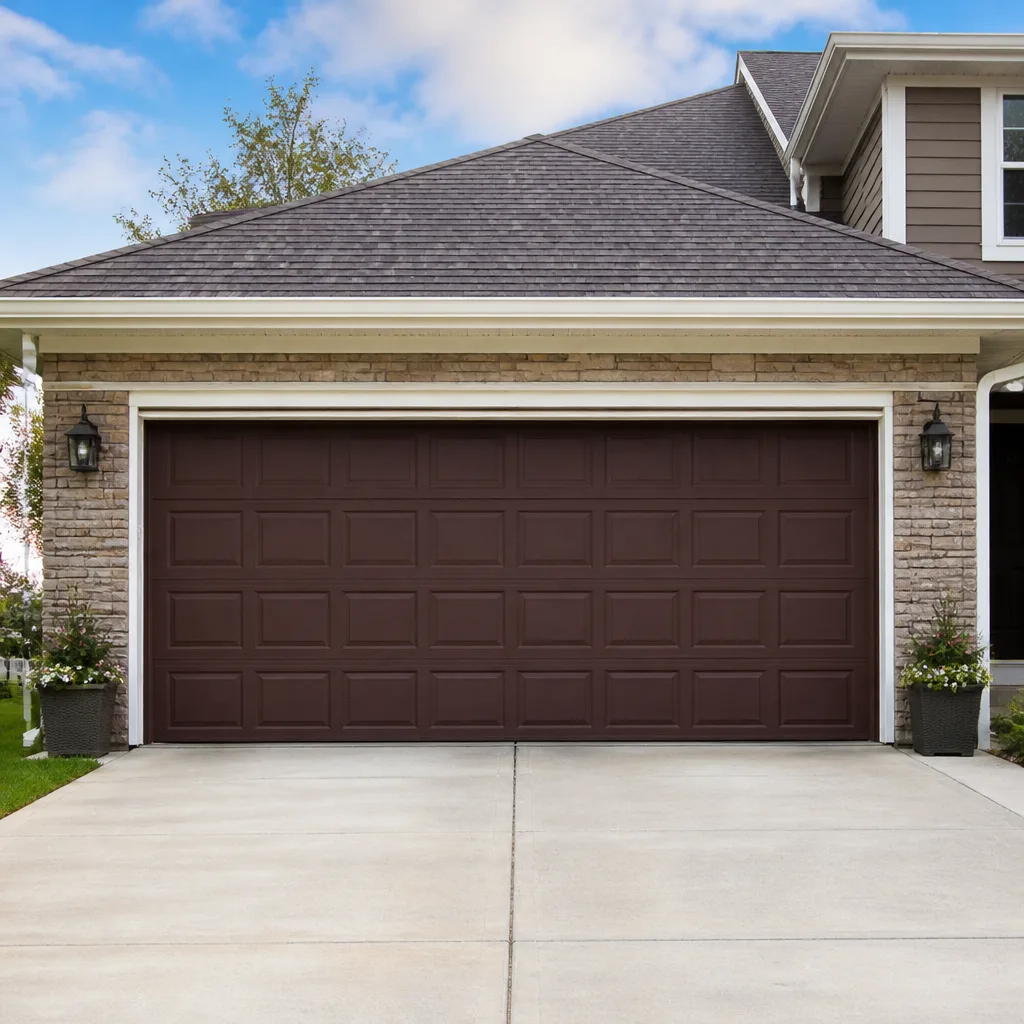 Raised-panel steel
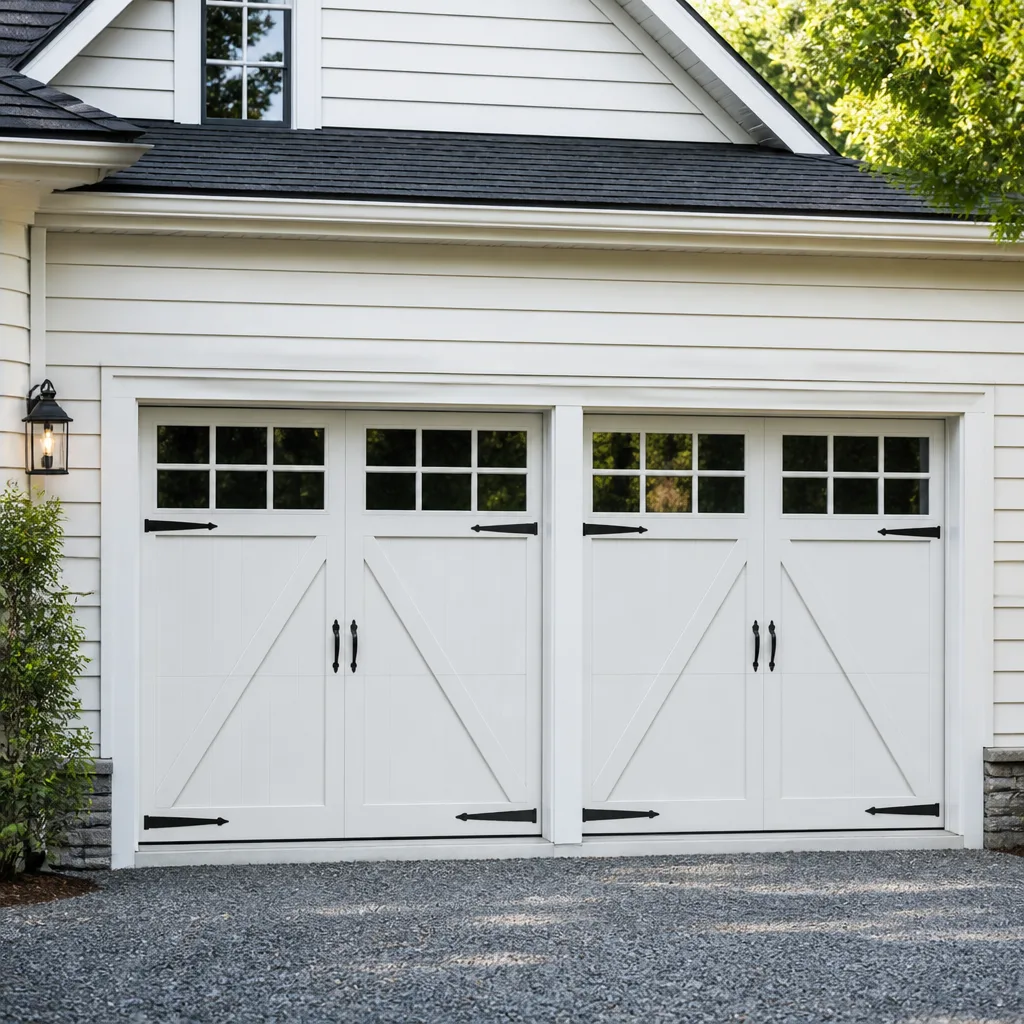 Carriage house
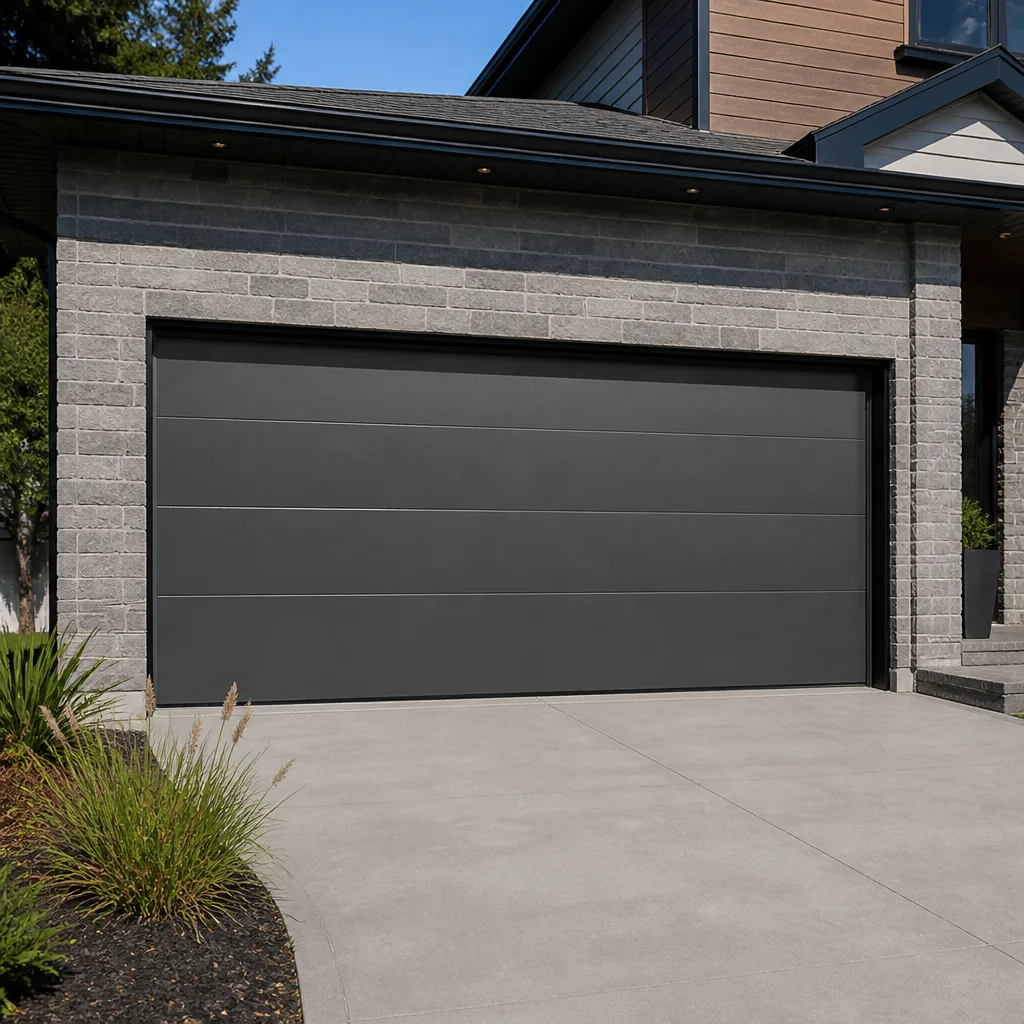 Modern flush
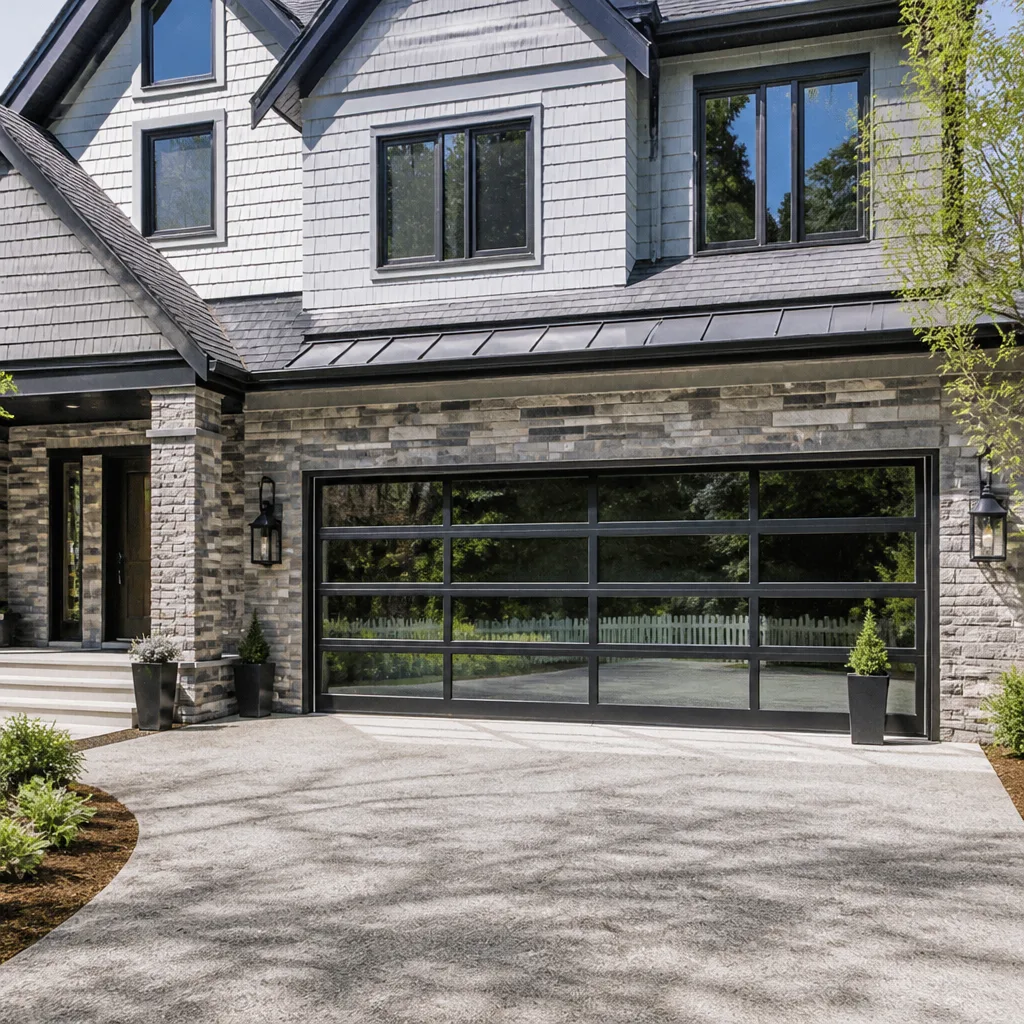 Full-view glass
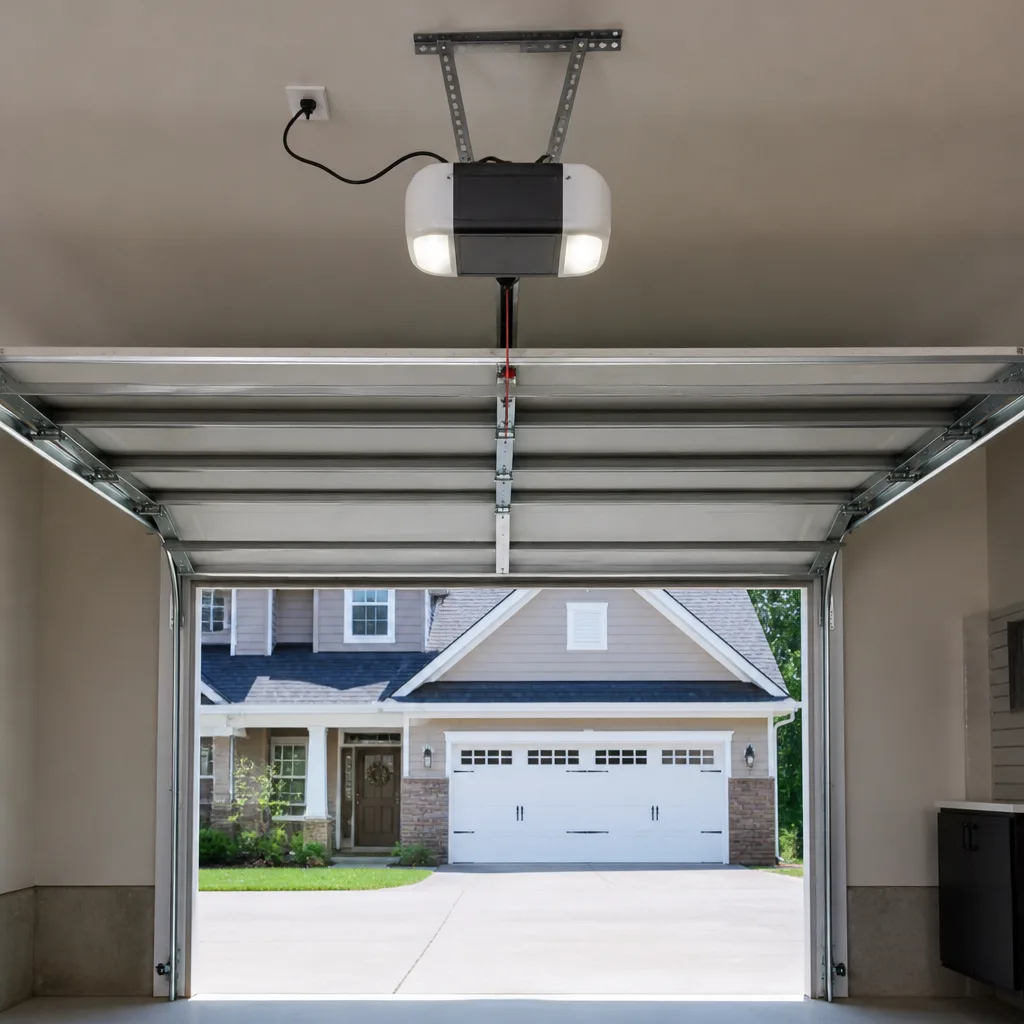 LiftMaster openers
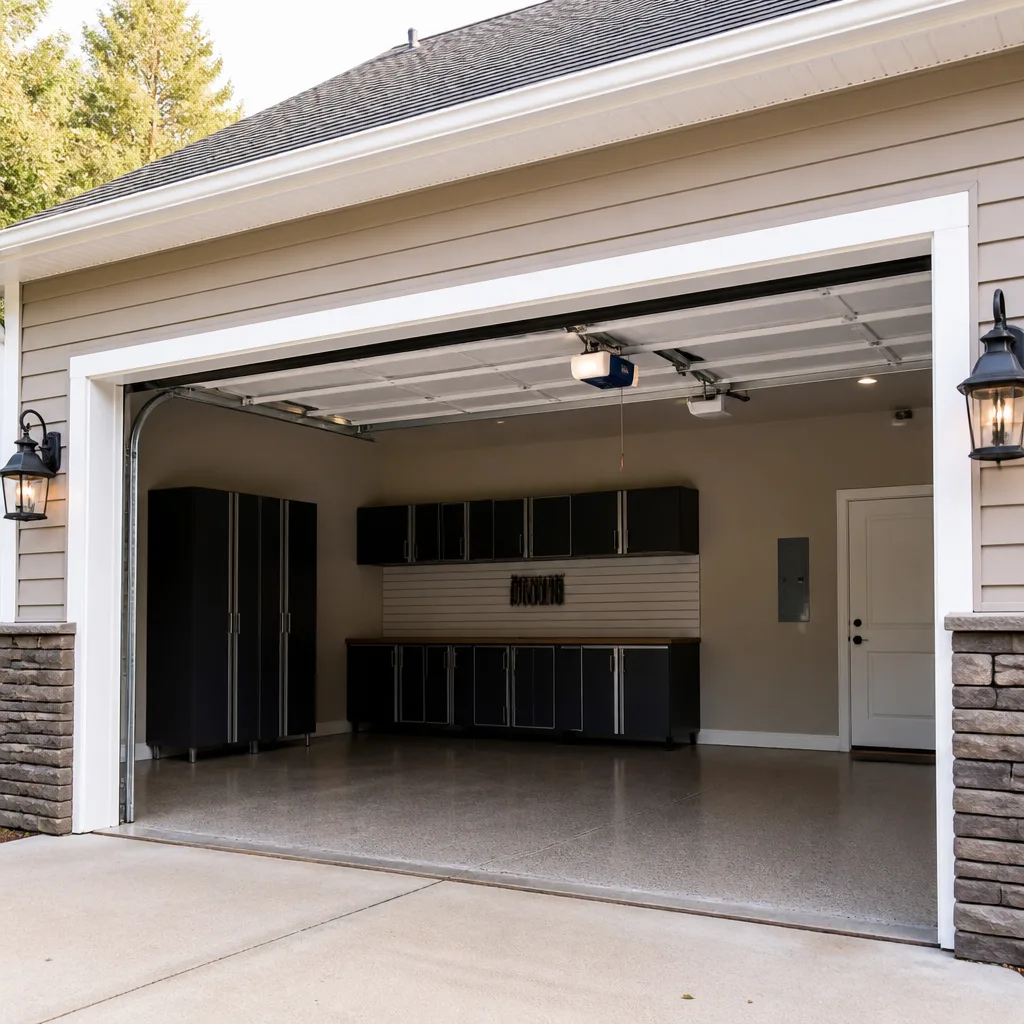 Chamberlain openers
Full 25-point door and opener safety check with every visit - springs, cables, rollers, tracks, and your LiftMaster or Chamberlain opener included
You get a price before we start. It does not change when the pro arrives.
Get your free estimateGarage Door Emergency Preparedness Guide for Centennial Homes
Most homeowners treat their garage door like a light switch. It works until it doesn’t, and nobody thinks about it in between. That’s the mistake. A garage door is the largest moving object on a house, and it’s also the biggest opening into it. In Centennial, where attached garages dominate most of the housing stock from the 1960s through the new builds near Dove Valley and the Southlands area, a door that won’t close during a hailstorm or a power outage turns a convenience into a hole in the building envelope. This guide walks through what a real emergency plan looks like: how to release your opener by hand without breaking it, how to secure a door you had to open manually, what to do when it’s stuck and the weather is coming, and what to check before the next storm rolls in off the foothills.
Quick Answer
A garage door emergency plan for a Centennial home comes down to four things: knowing how to work your opener’s manual release correctly, knowing how to lock a door that’s been opened by hand, having a way to close a stuck door during weather, and confirming your opener’s battery backup is actually rated for Colorado cold. Check these before an outage or storm, not during one. A door left open in Centennial is exposed to hail, wind-driven snow and an open entry into the house, so the plan is worth building now.
Styles & brands we work with
- Raised-panel steel
- Carriage house
- Modern flush
- Full-view glass
- LiftMaster openers
- Chamberlain openers
Table of Contents
- Why a Garage Door Failure Hits Harder in Centennial
- How to Use the Manual Release on Common Centennial Openers
- How to Secure a Manually Opened Door From the Outside
- What to Do When the Door Is Stuck Open in Hail or Snow
- Battery Backup: What Capacity Actually Matters in Colorado Cold
- Pre-Storm Checklist for Your Door and Opener
- What to Do in a Power Outage: A Step-by-Step Plan
- When the Problem Is Springs or Cables, Not Power
Why a Garage Door Failure Hits Harder in Centennial
Centennial sits at the edge of the Front Range, and the weather that moves through here is not gentle. Hail season runs hard through spring and summer, and it’s not unusual for a storm to drop pea-sized ice and then a gully-washer rain in the same forty minutes. Wind rushes down off the foothills and hits west-facing doors with real force. In winter, a door that’s been opened manually and left that way becomes a wind scoop pointed straight at the house. These are the conditions a garage door lives in across Centennial, from the older homes near the Highline Canal to the subdivisions south of Arapahoe Road.
Then there’s the housing itself. Most Centennial homes were built with an attached garage, and in the classic 1970s and 1980s ranch layouts the garage wall shares space with a hallway or a laundry room. That means an open garage door doesn’t just expose the car. It exposes the path into the house. During the February 2021 cold snap that knocked out power across the Front Range for days, thousands of homeowners discovered they’d never learned how their opener releases by hand, and some forced the carriage or the rail trying to figure it out. The opener survived the cold. The forced repair happened after. The lesson isn’t about that storm specifically. It’s that Centennial’s climate and its housing stock combine to make a garage door a system worth having a plan for, not an afterthought.
How to Use the Manual Release on Common Centennial Openers
Every residential opener has a manual release, and the way it works is nearly identical across the brands most common in Centennial homes: LiftMaster, Chamberlain, Genie and Craftsman. The release is the pull cord and handle hanging from the carriage trolley on the opener rail. You pull it down and toward the garage door. What changes from brand to brand is the tension and how the trolley reconnects, not the basic idea. Here’s the correct sequence:
- Close the door fully first if you can. A door at the bottom is the safest place to release tension on the arm.
- Pull the release handle firmly down and toward the door. The trolley disengages from the belt or chain with a firm, mechanical click.
- Open or close the door slowly by hand. A well-balanced door should move with a few pounds of effort. If it feels heavy or slams, stop and call for repair.
- To reconnect, close the door, then pull the release toward the opener rail until it snaps back into the trolley. Run the opener once to confirm the carriage re-engaged.
Older Genie and Craftsman units sometimes have a release that’s stiff or bound up if it hasn’t been pulled in years. That’s a sign the release itself needs attention before you’d actually need it. On Amarr and Wayne Dalton doors paired with modern openers, the release feels tighter because the door is heavier; pull steadily rather than in a jerk. If the release won’t move at all, don’t force it with a tool. That’s a call to a technician.
How to Secure a Manually Opened Door From the Outside
Here’s the part most homeowners miss. When you disengage the opener and open the door by hand, the door is no longer locked by the opener’s electronic latch, and it can’t be re-locked by the opener while the trolley is disconnected. That means a manually opened door may not lock properly, and the bottom latch bar or slide lock is your first line of defense. A residential garage door needs a physical lock, usually a slide bar lock or a locking bar handle, that engages when the door is closed. If you don’t have one, that’s a pre-storm check, not a mid-storm fix.
Close the door and engage the manual slide lock through the side track or the bottom brackets. Most modern doors come with a slide lock on at least one side; older Wayne Dalton and Craftsman doors sometimes have a locking handle instead. Check the weather seal along the bottom and the sides too. A locked door that doesn’t seal is still open to wind and water. During a hail event or a blizzard, the door is your storm shutter, and a properly locked, well-sealed door will handle the load far better than one that’s rattling on its hinges. In Centennial, the west-facing doors catch the worst of the wind, so if your door is on the west side of the house, the seal check matters more than on the other three.
For long-term door and lock issues, a specialist can sort out the seal, the release, and the locking hardware together. That’s the kind of whole-system work that fits garage door repair, and it’s worth doing before storm season arrives.
What to Do When the Door Is Stuck Open in Hail or Snow
If the door is stuck halfway or fully open when a storm is closing in, your goal is to get it closed by hand and locked, even if the opener is out of commission. Work through these steps, and stop if the door feels heavy or the cables look slack:
- Disengage the opener at the release handle so you’re not fighting the motor.
- Push the door down slowly by hand. A balanced door should stay where you leave it. If it drops, the springs are likely the problem and you should close it as far as you safely can and call a technician.
- Engage the slide lock as soon as the door meets the floor.
- If the door won’t close fully, brace it from the inside with something that won’t scratch the panels, and stay off that panel. Hail hitting a partially open door can stress the bottom section.
Once the weather clears, don’t leave a stressed door in service. A door forced against wind or ice can bend the bottom section, pop a cable, or warp the hinges. In Centennial, where a single spring storm can drop a lot of ice fast, the safest choice is to secure the door and get a technician out promptly rather than run it up and down to test it. If you’re not sure whether a door is safe to move, don’t. A trained professional can inspect the balance and cables before a small problem gets worse. Call Lockhart Garage Door Service and we’ll walk you through what’s safe to touch over the phone; our technicians have up to 9 years of experience with doors that have taken a weather hit.
Battery Backup: What Capacity Actually Matters in Colorado Cold
Battery backup for an opener is not a luxury in Centennial. It’s a piece of emergency gear. The most common failures we see aren’t the battery dying outright; they’re the battery dying in the cold. Lithium-ion battery cells lose a meaningful share of their usable capacity when temperatures drop below freezing, which is why a battery that runs the door fine in July can fail after a short outage in January. When you’re choosing or checking a backup, the number that matters is capacity measured against your door’s weight, not raw amp-hours alone.
A typical residential single door under moderate load paired with a modern LiftMaster or Chamberlain opener runs fine on a standard integrated backup. Heavier doors, double doors, and doors paired with older Craftsman or Genie openers often need a larger battery module or a system that’s rated for a heavier load. Here’s what to check:
- Cold rating: the battery should be rated to operate below freezing, not just at room temperature.
- Open-and-close cycles: a backup that handles two or three cycles is enough for most outages. One that handles more is useful if you expect a longer outage and need to get a car in and out multiple times.
- Charge state: older backup modules don’t always report a failing battery. Have the battery tested at least once a year, ideally before winter.
- Door balance: a door that’s out of balance drains a battery faster. If it’s heavy, fix the balance first.
If you’re not sure which backup is right for your door, that’s a quick conversation. The system on your door dictates the answer, and garage door opener repair covers battery checks, replacement, and the diagnostic work that tells you whether the backup is the actual problem or just the visible symptom.
Pre-Storm Checklist for Your Door and Opener
Most garage door emergencies are preventable if you check a handful of things before the weather turns. The trick is doing it on a calm day, not when the wind is already picking up. Run through this list before hail season and again before the first snow:
- Test the manual release. Pull it once, open the door by hand, close it, and reconnect. If it’s stiff or won’t release, that’s your first repair.
- Test the safety reversal. Lay something soft in the door’s path and run it. The door should reverse when it contacts the object. If not, the opener’s safety system needs attention.
- Check the balance. Disconnect the opener and lift the door halfway. It should stay in place. If it drops or needs a hard push, the springs are tired.
- Inspect the weather seal and bottom rubber. A worn seal lets wind and water in during a storm.
- Test the battery backup. Unplug the opener, run the door once on battery, and plug it back in. If it struggles, replace the battery before winter.
- Confirm the lock works. Slide the manual lock and check it engages firmly with the door closed.
- Lubricate moving parts. A light application of a garage door-rated lubricant on the rollers and hinges keeps the door moving smoothly when you need it most.
If anything on that list fails, get it fixed before the season, not during. In Centennial, a storm that triggers a failure rarely leaves you a calm window to deal with it.
What to Do in a Power Outage: A Step-by-Step Plan
When the power goes out, your opener stops mid-cycle or fails to respond entirely. The single most important thing is knowing your manual release. If you’ve tested it during a calm day, the process is quick. If you haven’t, here’s the plan:
- Locate the release handle on the opener rail. It hangs from the trolley, usually within a few feet of the door.
- Pull the handle firmly down and toward the door until you feel the trolley disconnect.
- Open the door by hand if you need to get out, then close it by hand and engage the slide lock.
- If you have battery backup, the door should still run automatically. Confirm the battery is engaged and try the wall control.
- If the battery backup is dead or missing, leave the door locked and contact us to schedule a repair or battery replacement once the outage is over.
If your power outage happens during a storm and the door is stuck, don’t try to force the opener or yank on the rail. That’s how a small repair becomes a large one. We answer 24/7. Call (844) 834-3842 if a door won’t respond and you’re not sure what’s safe to do. For power-outage planning across Centennial, the repair and opener teams in our network handle both the door and the electronic side, and we’re fluent in the brands most common in Centennial homes, including LiftMaster, Chamberlain, Genie, Craffsman, Clopay, Amarr, Wayne Dalton and Raynor.
When the Problem Is Springs or Cables, Not Power
Not every garage door emergency is electrical. A snapped spring or a cable that’s jumped a drum is serious, and it’s the one situation where a homeowner should not try to fix anything alone. Standard torsion and extension springs are under high tension at all times. A spring or cable failure can cause injury if a door is forced or the hardware is touched. If you hear a loud bang from the garage and the door won’t lift, or if the door feels very heavy, stop and leave the door closed.
The safety rule is simple: don’t touch springs or cables. Call a trained professional. A technician can inspect the whole door, replace the hardware safely, and confirm the balance and opener afterward. If the door has dropped on one side, don’t run the opener to test it; that can warp the panels or bend the rail. A spring replacement is a routine job for a specialist, and a diagnostic visit will tell you whether the problem is a spring, a cable, the opener, or something in the track. From spring to sensor, the team at Centennial repairs and diagnoses the whole system, so you’re not left coordinating a door guy and an opener guy separately. The written estimate you receive sets the final price, and it’s agreed before any work starts.
Common Mistakes to Avoid
- Leaving the manual release untested for years. The release is the single most important emergency feature on a garage door opener, and it’s also the one most homeowners never test until they need it in a storm.
- Forcing the door when the release is stuck. Forcing a bound release with a tool can damage the trolley or the carriage. In a Centennial windstorm, that turns a safe manual open into a repair that will take longer to schedule.
- Forgetting to lock a manually opened door. Openers do not lock the door electronically once the trolley is disconnected. If you don’t engage the slide lock or locking bar, a door you opened by hand may sit unlocked.
- Assuming a door will close during wind or ice without a check. A door close enough to the floor on a calm day may still bind on ice. Test the door in winter before you need it to seal.
- Using a room-temperature battery backup. A backup that isn’t rated for cold won’t help much in January, when Centennial outages actually happen.
- Overlooking the door track and rails. A door that’s been nudged by a car bumper or banged by a wheel is out of alignment, and a misaligned door puts extra load on the opener. That’s a common cause of failures during outages.
- Skipping the monthly opener test. Running the opener and checking the safety reversal and balance once a month is the cheapest insurance against a mid-storm failure.
See the difference
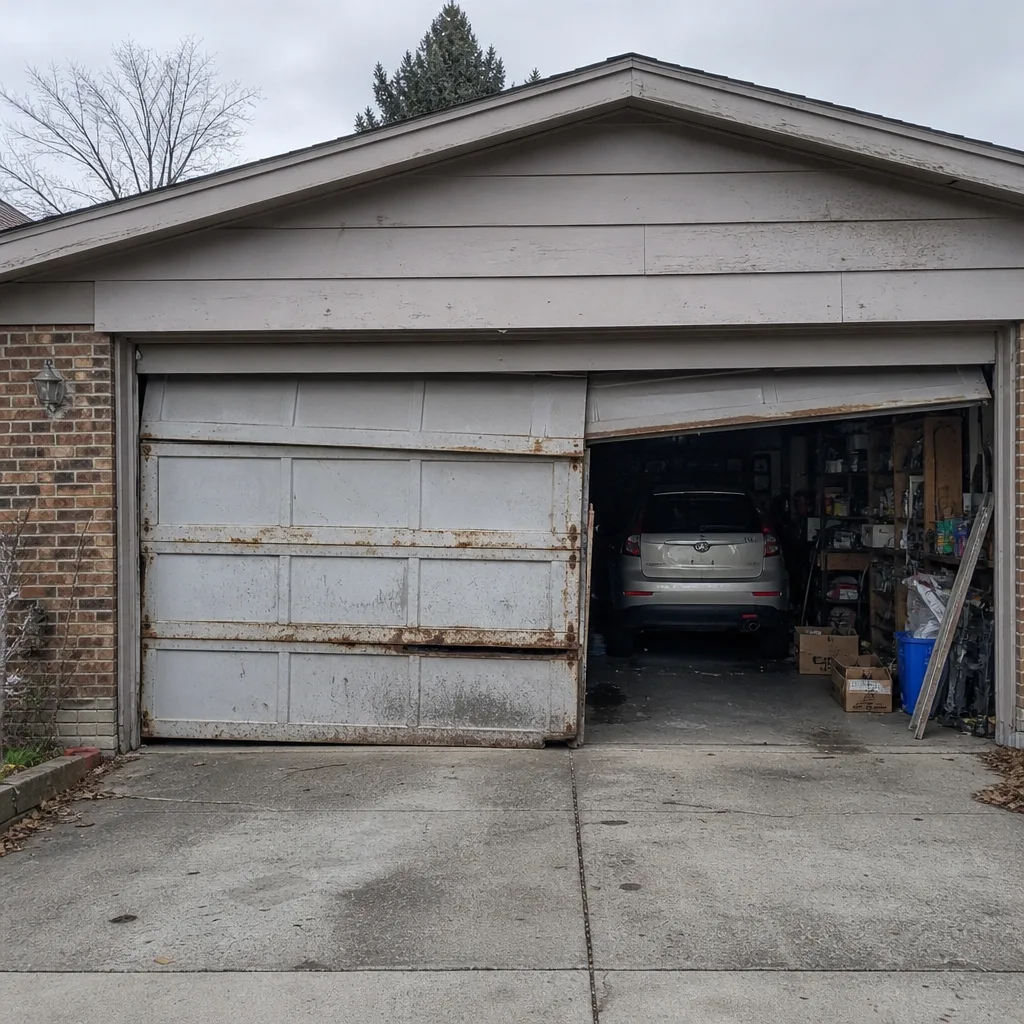 Before
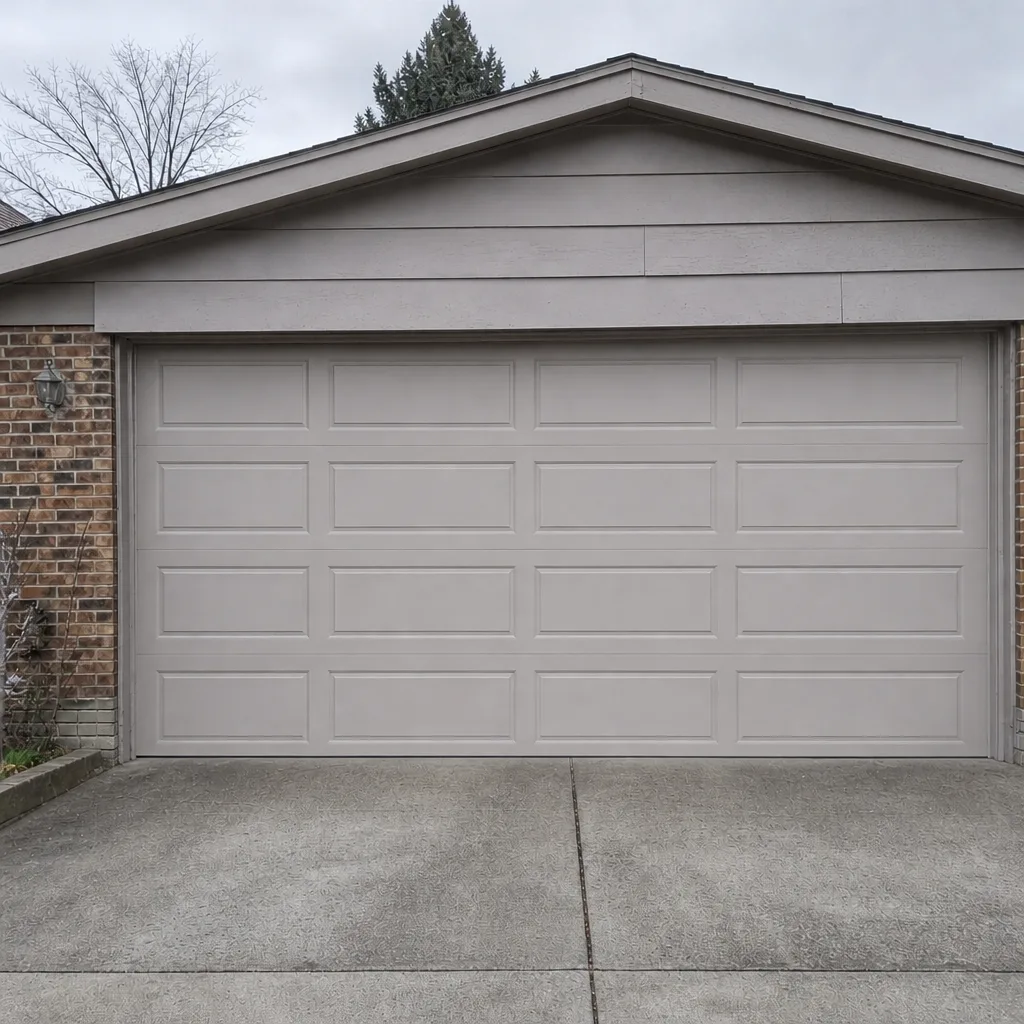 After
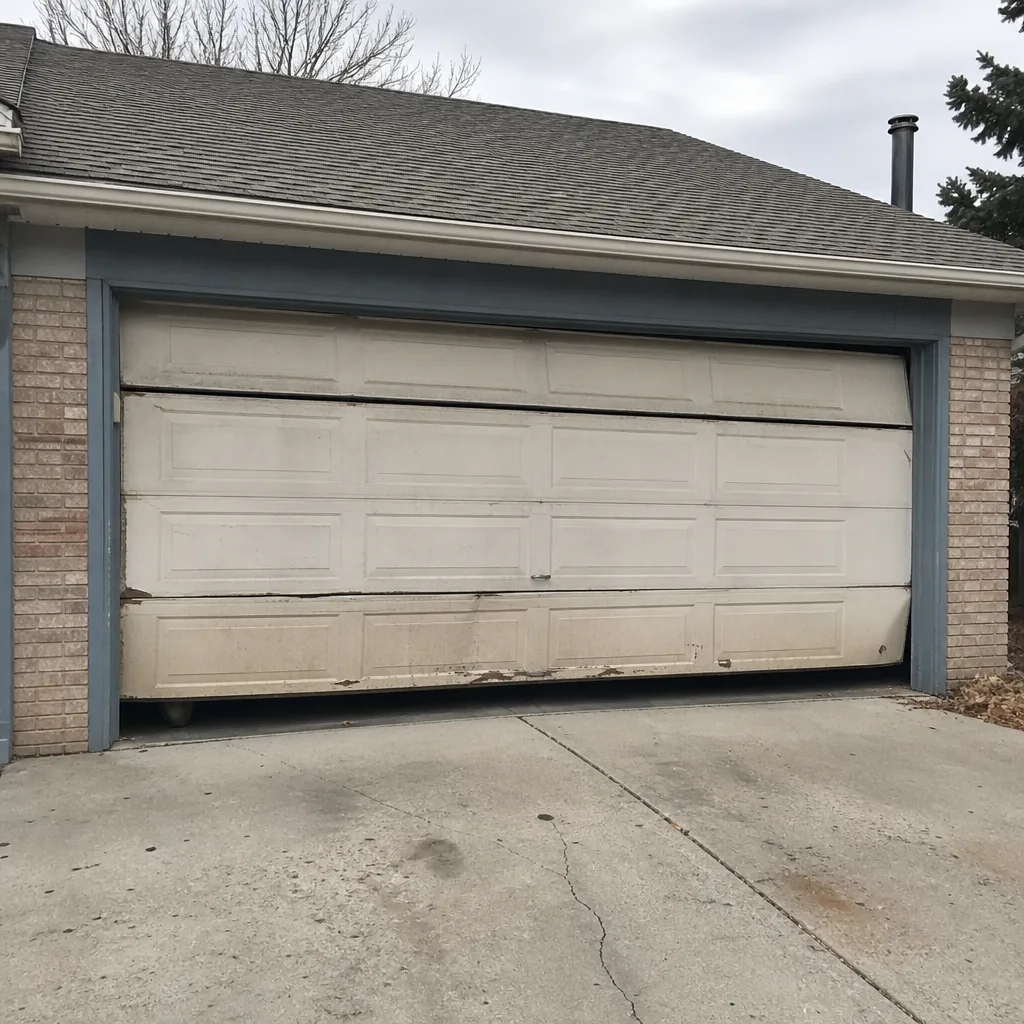 Before
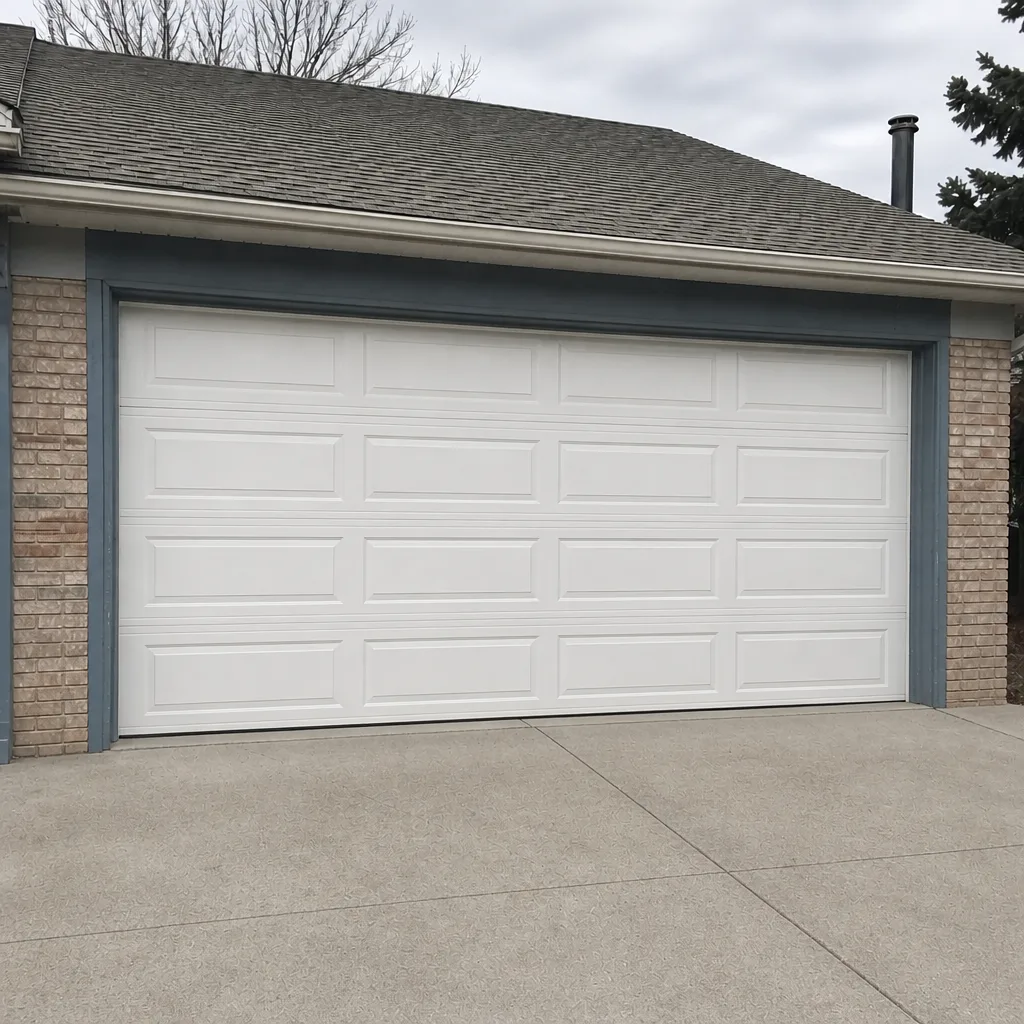 After
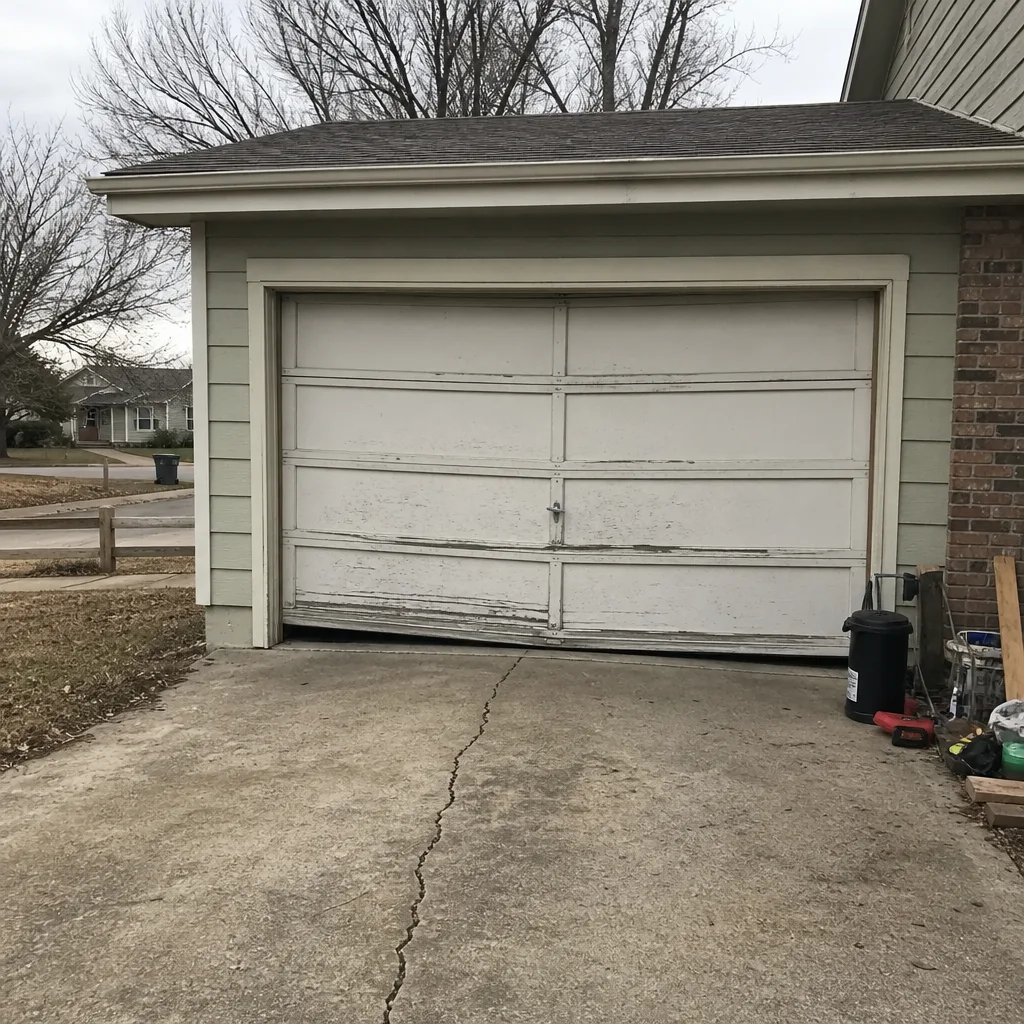 Before
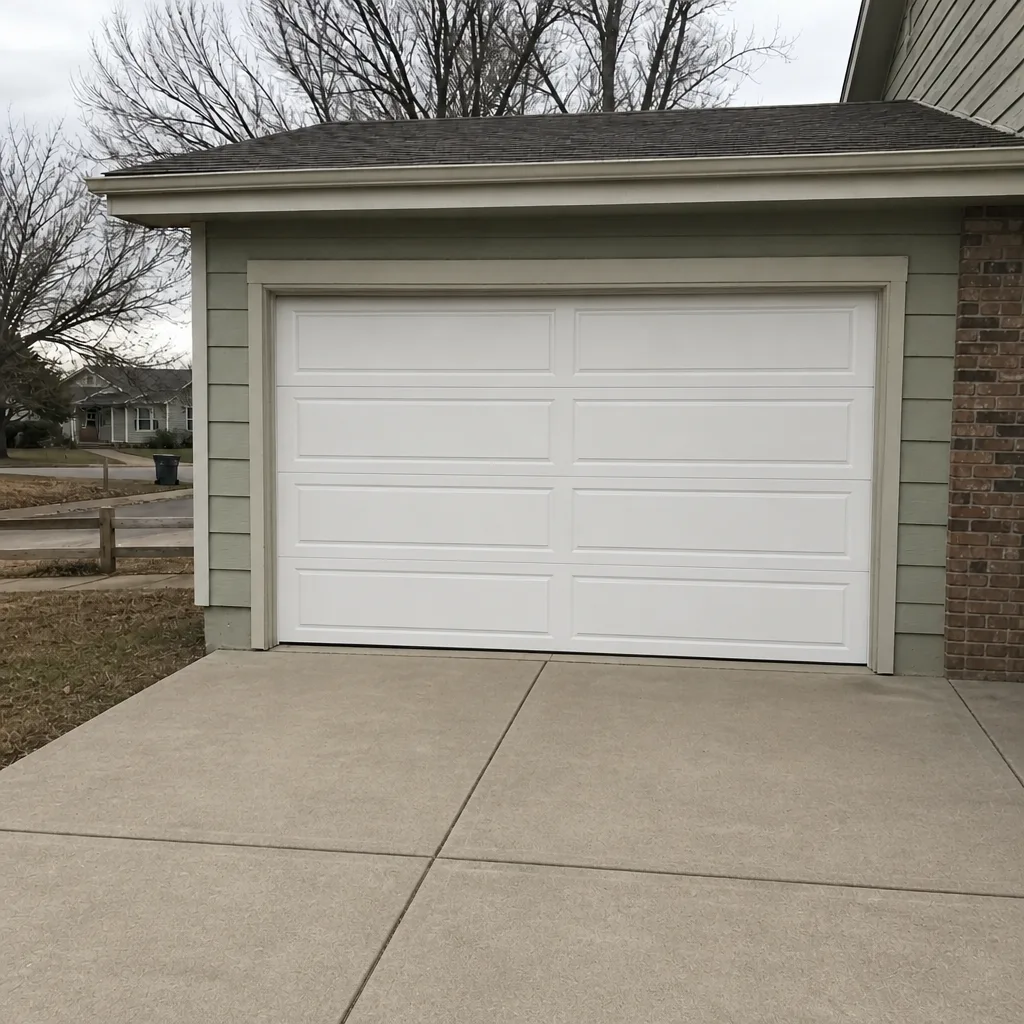 After
When to Call a Professional
Some problems are a safety check or a battery swap; others need a pro. Call a technician if the manual release won’t move, if the door is heavy or drops when opened by hand, if you hear a bang from the garage and the door won’t lift, if the door is visibly off its track, if the opener won’t reconnect after a manual release, or if the battery backup is dead and you can’t tell if it needs replacement or repair. If the door is stuck open and won’t close during a storm, we can talk you through a safe way to secure it. Lockhart Garage Door Service offers free estimates in Centennial. Call (844) 834-3842. We answer 24/7, with fast dispatch from 7am to 7pm, Sunday through Friday, and we’re closed on Saturday. Our technicians have up to 9 years of experience and work on the brands in your garage, from LiftMaster and Chamberlain to Genie, Clopay, Amarr, Wayne Dalton, Craftsman and Raynor.
Frequently Asked Questions
Pull the manual release handle hanging from the opener rail down and toward the door to disengage the trolley, then lift the door by hand. Close it by hand afterward and engage the slide lock, since the opener won’t lock the door while it’s disconnected. If you have battery backup, the opener should still run normally. Call (844) 834-3842 if you’re not sure your release is working.
Close the door fully and engage the manual slide lock or locking bar, then check that the door sits flat and the weather seal is intact. The opener’s electronic lock is disengaged while the trolley is disconnected, so the manual lock is your only security. If the lock is missing or won’t engage, that’s a repair worth scheduling. Call (844) 834-3842 for a free estimate.
Disengage the opener at the release, push the door down by hand as far as it will go, and engage the slide lock. Brace the door from the inside if it won’t close fully, and stay off the panels. In Centennial, hail can hit a partially open door hard, so don’t run the opener to test it during the storm. Call (844) 834-3842 once the weather clears, or sooner if the door won’t close at all and you need help.
It depends on the battery’s cold rating. Many standard backup batteries lose usable capacity below freezing, so a unit rated to operate below freezing is what you want. Heavier doors and older openers may need a larger module. Have the battery tested before winter. Call (844) 834-3842 if you need a check or replacement.
Repair pricing depends on what failed, and the free written estimate sets the final cost before any work starts. We don’t add a premium for same-day or weather-related timing. Call (844) 834-3842 for an exact quote, and we’ll confirm the plan before we touch the door.
No, not in Centennial. An open door leaves the house exposed to hail, wind-driven snow and the weather that rolls off the foothills, and it’s an open entry into the home. Even if you don’t need the car, secure the door by hand or with the manual lock. Call (844) 834-3842 if you can’t get it closed and want help planning the repair.
The Bottom Line
Garage door emergencies in Centennial aren’t really about the door failing. They’re about the plan you don’t have when it does. The manual release, the slide lock, the battery backup and the pre-storm check are all cheap to test and expensive to discover in the middle of a power outage or a hailstorm. Build the plan on a calm day, run through it once a season, and leave the springs and cables to a technician. If you need help, call (844) 834-3842 for a free estimate from Lockhart Garage Door Service. We work on your brand, diagnose the opener right, and quote the price before any work starts.
Written by the team at Lockhart Garage Door Service.