
Last updated November 15, 2026
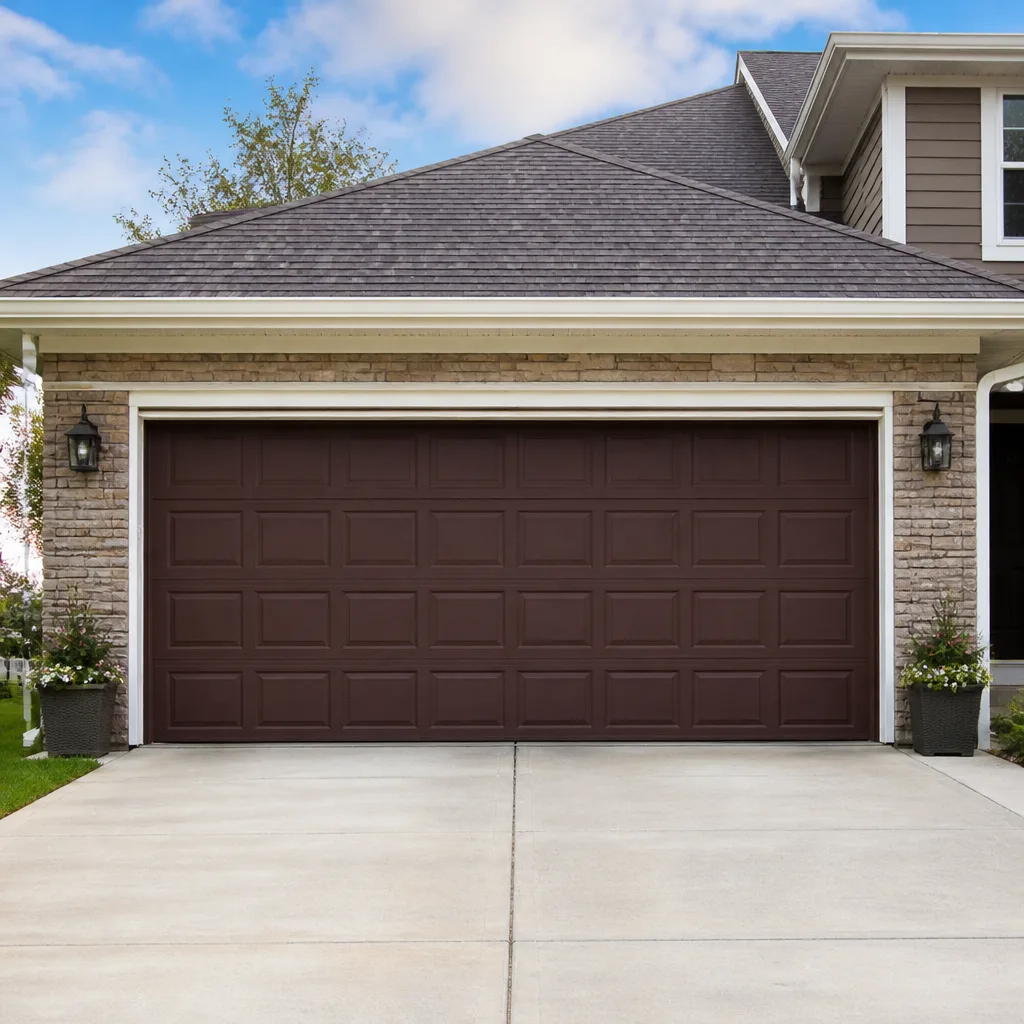 Raised-panel steel
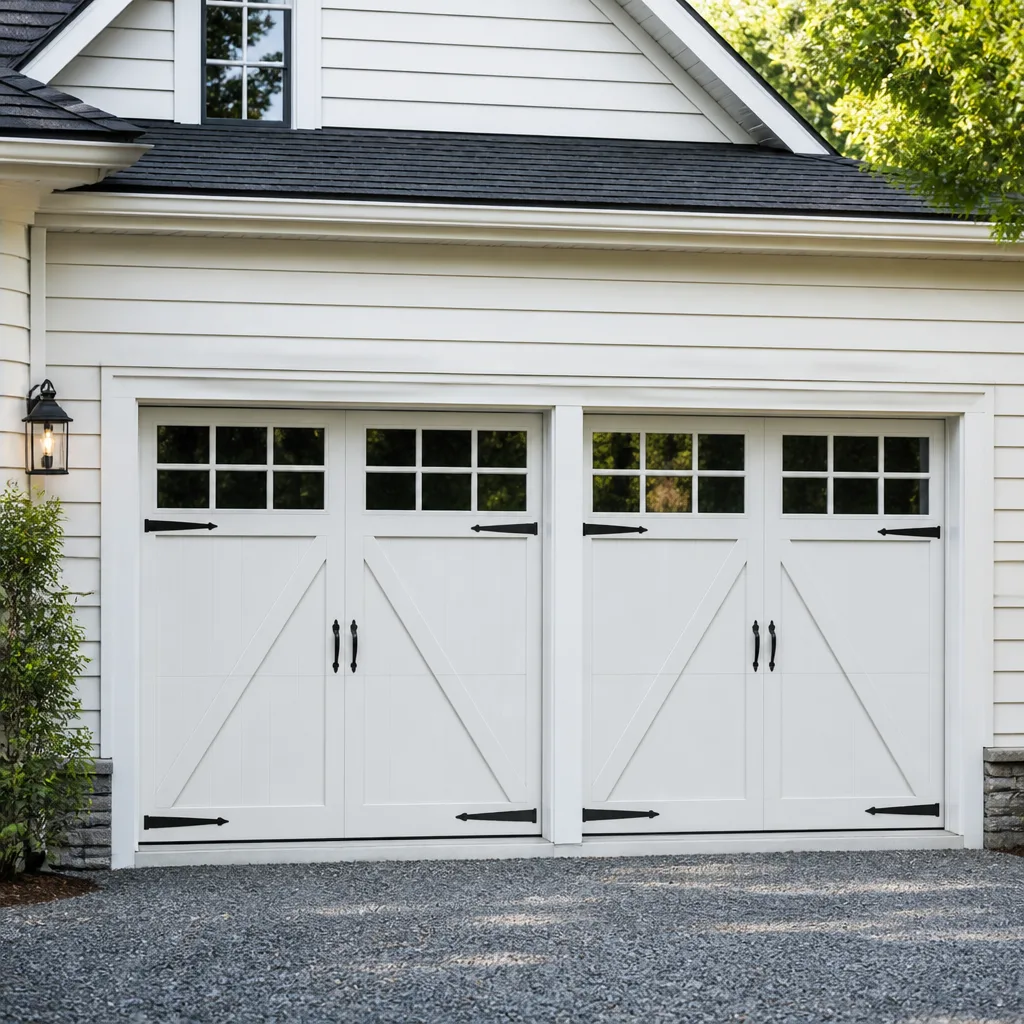 Carriage house
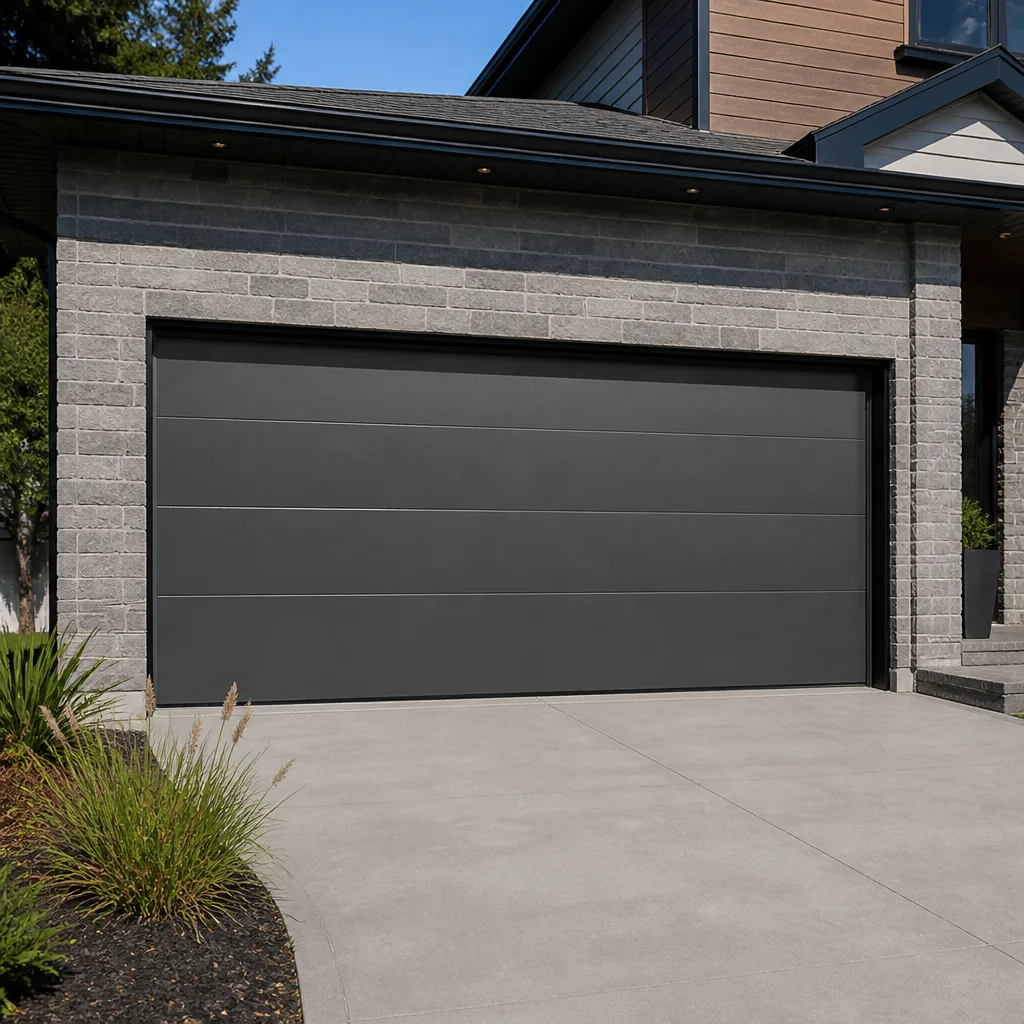 Modern flush
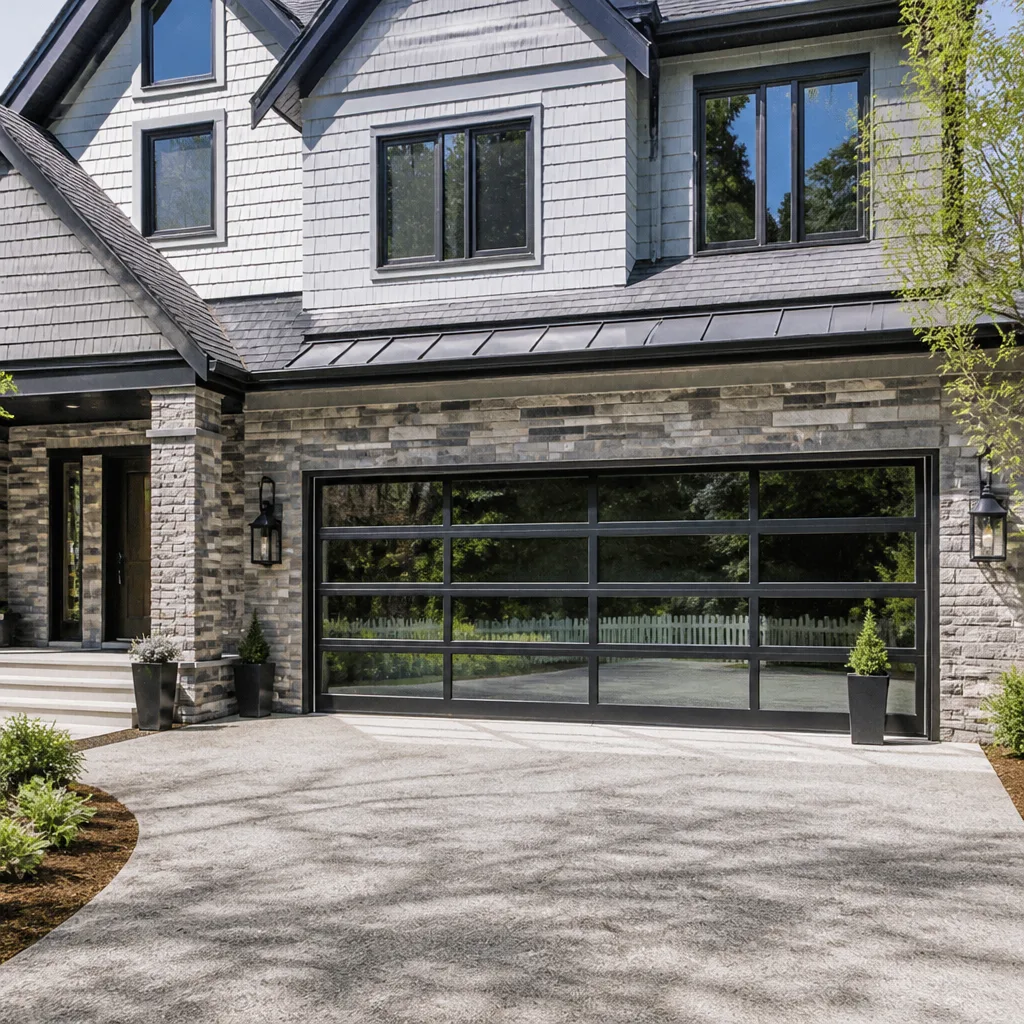 Full-view glass
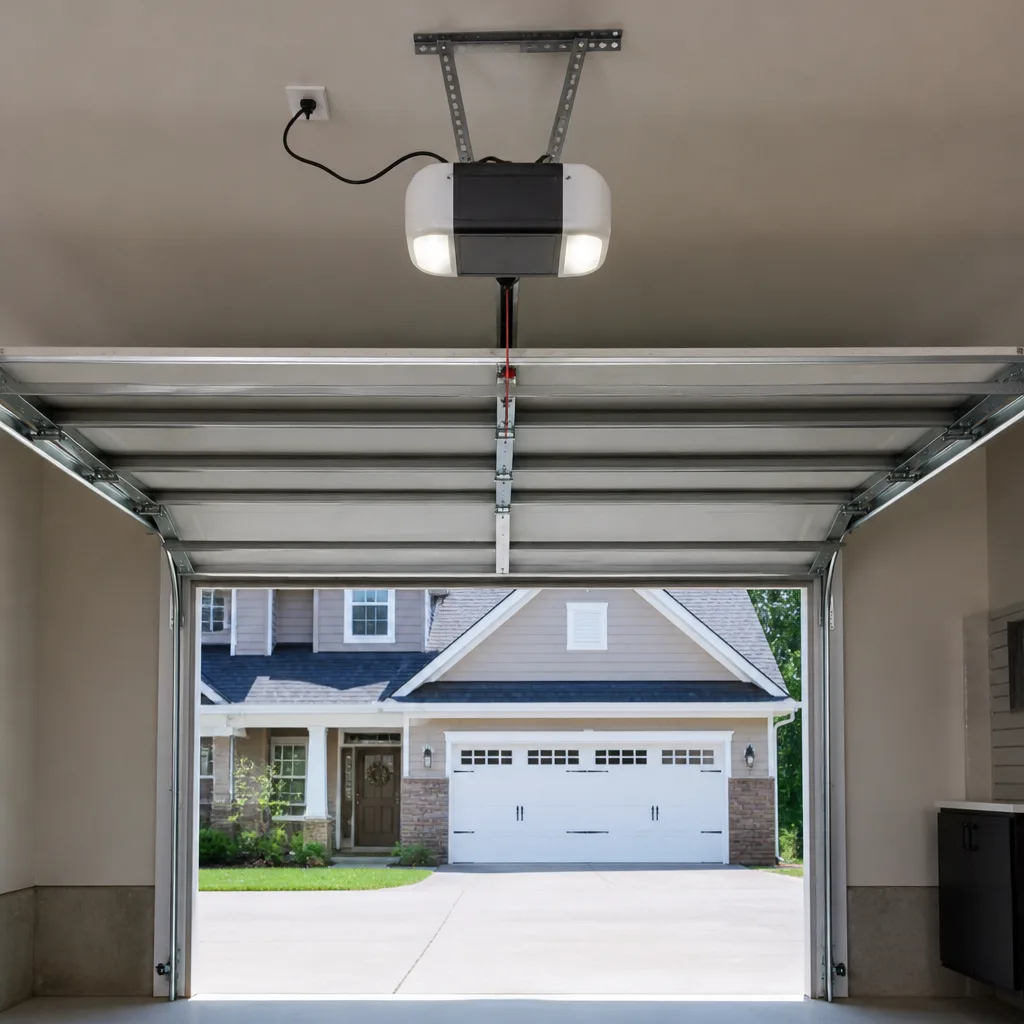 LiftMaster openers
 Chamberlain openers
Full 25-point door and opener safety check with every visit - springs, cables, rollers, tracks, and your LiftMaster or Chamberlain opener included
You get a price before we start. It does not change when the pro arrives.
Get your free estimateGarage Door Cost Breakdown: The Centennial Homeowner’s Reference for 2026
That “$800 garage door” you saw quoted online will land closer to $1,400 installed in Centennial once you add Colorado labor rates, haul-away, and the insulated door your HOA likely requires. None of those line items appear in the ad. National cost calculators pad their estimates with averages pulled from cheap-labor markets, then leave out the three things that actually move your bill: what a Centennial installer charges per hour, what it costs to get the old door to the landfill, and what your HOA’s architectural review actually demands. This reference breaks down every component, explains why Centennial pricing runs where it does, and shows you how to read a quote without getting surprised.
Quick Answer
A single-car garage door replacement in Centennial typically runs $900 to $2,200 installed, while a two-car door lands between $1,400 and $3,500 depending on insulation, material, and brand. Spring replacement is the most common repair, and a single spring usually costs $180 to $340, with a matched pair priced at roughly double since both springs are almost always replaced together. Every number in this guide is a typical range, and the written estimate you receive is the price that applies to your door.
Styles & brands we work with
- Raised-panel steel
- Carriage house
- Modern flush
- Full-view glass
- LiftMaster openers
- Chamberlain openers
Table of Contents
- What each garage door component costs in Centennial
- How HOA insulation requirements change your door budget
- Denver metro labor rates: what drives price variation
- The real total of a DIY install versus professional
- Service call invoice versus replacement quote: what to expect
- Centennial neighborhoods and how housing stock affects cost
- Brand tiers and what they mean for parts and repair cost
- Common mistakes to avoid
What Each Garage Door Component Costs in Centennial
Garage door pricing breaks into distinct components, and knowing them separately keeps you from paying for a whole door when one spring failed. In our experience, homeowners who understand the parts get more accurate quotes and ask better questions. Here is how the pieces price out in Centennial:
- Springs: A single torsion spring runs $180 to $340 installed. Because springs are matched and wear at the same rate, a pair is usually replaced together at about twice that figure. Extension springs sit at the lower end of the range.
- Opener (unit plus install): $350 to $850 for a belt or chain drive with safety sensors. Premium units with battery backup and quiet operation sit at the top of that range. LiftMaster and Chamberlain dominate residential installs here, and both are straightforward for a technician familiar with the platform.
- Panels: A single replacement panel runs $150 to $400 depending on material and whether the profile is still in production. Discontinued profiles can force a full door.
- Tracks: $150 to $350 for a full track set, more if the framing needs repair behind the track.
- Hardware (hinges, rollers, brackets): $80 to $200 for a full replacement set.
- Weatherstripping (bottom seal and perimeter): $60 to $180 installed, depending on door width and seal type.
- Cables and drums: $120 to $280 per side when replaced alongside springs.
These are typical ranges, and the written estimate you receive before work begins is the final word. A door with a bent track and a snapped spring is two separate line items, and a good quote itemizes them so you can see exactly what you’re paying for.
How HOA Insulation Requirements Change Your Door Budget
Insulation is the line item national calculators skip, and in Centennial it matters more than most homeowners expect. Many HOA communities here require insulated doors as part of architectural review, and even where they don’t, an uninsulated steel door is a poor fit for Colorado’s climate. A garage attached to the house shares a wall with living space. An uninsulated door turns that wall into a cold surface all winter, and the furnace works harder to compensate.
The cost gap is real: an uninsulated single-car door typically runs $600 to $900 installed, while an insulated door of the same size lands around $900 to $1,400. For a two-car door, expect roughly $1,000 to $1,800 uninsulated and $1,400 to $2,500 insulated. That’s several hundred dollars more, and the upside shows up in two places. First, a warmer garage means the room above it or beside it stays more usable through January. Second, insulated doors run quieter, which matters if a bedroom sits above the garage.
Before you order, check your HOA’s architectural guidelines and pull the door spec sheet your builder used. Clopay and Amarr both publish insulation values per model, and your HOA reviewer will likely ask for that number. Matching the original door’s look while upgrading the insulation is the move most Centennial homeowners make.
Denver Metro Labor Rates: What Drives Price Variation
Two quotes for the same door can differ by $400 in Centennial, and the difference is rarely the door itself. Colorado front-range labor rates run higher than the national average because the metro labor market is tight and demand for skilled trades is steady. What actually varies between contractors:
- Whether disposal is included. Hauling an old door to the transfer station costs money, and some quotes quietly leave it out. Ask directly.
- Whether the price includes spring and opener work or just the door. A door-only quote looks cheaper until you need the opener wired and the springs tensioned.
- How the contractor handles the old track and hardware. Reusing bent track saves the contractor money and costs you a callback.
- Whether the quote is written and itemized. Verbal estimates shift. Written ones don’t.
- Parts sourcing. A contractor familiar with your brand’s parts catalog orders the right panel the first time. A generalist guesses and waits on a return.
What doesn’t drive variation: the door brand itself, as long as the contractor is fluent in it. We work across LiftMaster, Chamberlain, Genie, Clopay, Amarr, Wayne Dalton, Craftsman, and Raynor, so the brand on your home doesn’t change what we can quote or how long it takes to identify a part. That fluency cuts diagnostic time, which is where a lot of hidden cost lives.
If you want a straight answer on garage door repair pricing for your specific door, a free estimate is the fastest route.
The Real Total of a DIY Install Versus Professional
A DIY garage door install looks like a way to save $500 until you price the tools and the risk. Torsion springs store serious energy, and a door is heavy enough to injure anyone handling it alone. We don’t recommend DIY spring work to anyone, and we’re not alone in that: it’s the single most dangerous component in the system. Professional installation covers the whole job for a known price, with a written estimate before anything starts.
Here’s what the DIY column actually contains:
- Permit risk. Most cities require a permit for a garage door replacement, so check with Centennial’s building department before you start. An unpermitted install can surface at resale and cost more to correct than the original job.
- Tool rental. Torsion winding bars, a proper ladder, and a drill with the right bits add up quickly.
- Time. A two-person crew with practice finishes a standard install in a few hours. A first-timer spends a weekend and often a second trip to the hardware store.
- Callback probability. A door that’s out of balance, a sensor that won’t align, a track that’s a quarter-inch off – each of these turns into a service call anyway.
- Disposal. The old door still has to go somewhere, and hauling it isn’t free.
Add it up and the DIY savings shrink fast. On a repair rather than an install, the math tilts even harder toward calling a technician. If a spring or cable is involved, that’s a trained-professional job, full stop.
Service Call Invoice Versus Replacement Quote: What to Expect
A service call invoice and a replacement quote look nothing alike, and knowing the difference prevents sticker shock. A repair invoice itemizes the specific parts replaced and the labor to do it, and it should match the written estimate you approved before work started. A replacement quote covers a new door, new hardware, and installation labor, and it typically includes disposal of the old door.
Typical repair line items on a Centennial service call:
- Spring replacement (per spring)
- Cable and drum replacement (per side)
- Roller and hinge replacement
- Bottom seal or perimeter weatherstripping
- Opener diagnostic and repair, or opener replacement
- Track adjustment or replacement
Typical lines on a replacement quote:
- New door in your chosen material and insulation level
- New track, springs, cables, and hardware
- New opener (or reuse of a compatible existing one)
- Installation labor
- Disposal of the old door
If an opener is the failing component rather than the door, garage door opener repair is usually the cheaper path, and diagnosis is where a specialist earns the fee. Genie and Chamberlain units both have failure patterns a trained technician recognizes on sight. Opener problems are often sensor alignment or a worn drive gear rather than a dead motor, and a quote should reflect the actual fault.
Centennial Neighborhoods and How Housing Stock Affects Cost
Centennial’s housing stock is largely 1970s through 1990s suburban construction, which means most doors here have already been replaced once, and a few are on their third opener. That matters for cost: a home whose door was replaced in the last decade usually needs repair rather than replacement, and the original panel profile may still be available.
Neighborhood character shifts the job slightly. In Willow Creek and Cherry Knolls, mid-century and older ranch homes often have narrower single-car openings and doors that need custom sizing, which pushes replacement cost toward the upper end of the range. In Foxridge and the neighborhoods around Smoky Hill, the two-car standard dominates and doors are more likely to be a stock size, which keeps replacement pricing in the middle of the range. Newer pockets near Centennial Airport trend toward larger doors and taller openings, which can accommodate a higher-insulation door without custom fabrication.
What unites all of these: Colorado’s temperature swings. Doors expand and contract with the seasons, and springs cycle more times per year here than in a mild climate because homeowners run them daily through winter. That’s one reason spring replacement is the most frequent repair we quote in Centennial. Our technicians have up to 9 years of experience across the brands installed here.
For a full picture of what we cover, see the Lockhart Garage Door Service page, and for local context about the city itself, Centennial outlines the neighborhoods and housing patterns that shape the work.
Brand Tiers and What They Mean for Parts and Repair Cost
Brand tier affects repair cost mostly through parts availability, not through some mysterious quality gap. Entry-tier doors from Wayne Dalton or Craftsman use widely stocked panels and springs, so replacement parts are easy to source and repair costs sit at the lower end. Mid-tier doors from Clopay and Amarr use insulated sandwich construction and slightly heavier hardware, which runs a bit higher to replace but lasts longer between repairs. Premium Raynor doors use heavier-gauge steel and proprietary spring systems that cost more to service but often go longer before needing it.
Openers follow the same pattern. Genie and Chamberlain dominate the residential market and are easy to service and repair. LiftMaster sits in the mid-to-premium band and offers quiet belt drives and integrated battery backup that run more but fail less. What matters most isn’t the tier at all: it’s whether your technician recognizes the hardware. A specialist who works across all of these brands diagnoses faster and orders the right part the first time, which is cheaper than a generalist who guesses.
This is why we don’t push one brand. We work on whatever is already on your home.
Common Mistakes to Avoid
- Comparing a verbal estimate to a written one. The verbal number has no itemization and no enforcement. Ask for the written estimate before you compare quotes, and read the disposal line specifically.
- Replacing one spring out of a matched pair. The second spring is the same age and the same cycle count. It fails soon after, and you pay the labor twice. Replace both.
- Ordering an uninsulated door in an HOA community. Centennial HOAs frequently require insulated doors, and architectural review can reject a door already sitting in your garage. Check the guidelines and get the spec sheet before ordering.
- Skipping the permit. Most cities require a permit for garage door replacement. Ask Centennial’s building department what applies to your project, and don’t let a contractor talk you out of it.
- Assuming the opener needs replacing when the door is the problem. A door that binds or has a failing spring will strain any opener. Diagnose the door first.
- Ignoring a frayed cable. Cables snap without warning under tension. A visual check during a routine tune-up catches the wear before it fails.
- Calling a generalist because the quote is $50 lower. Ghosting on a callback costs more than the difference. A specialist who knows the brand avoids the callback in the first place.
See the difference
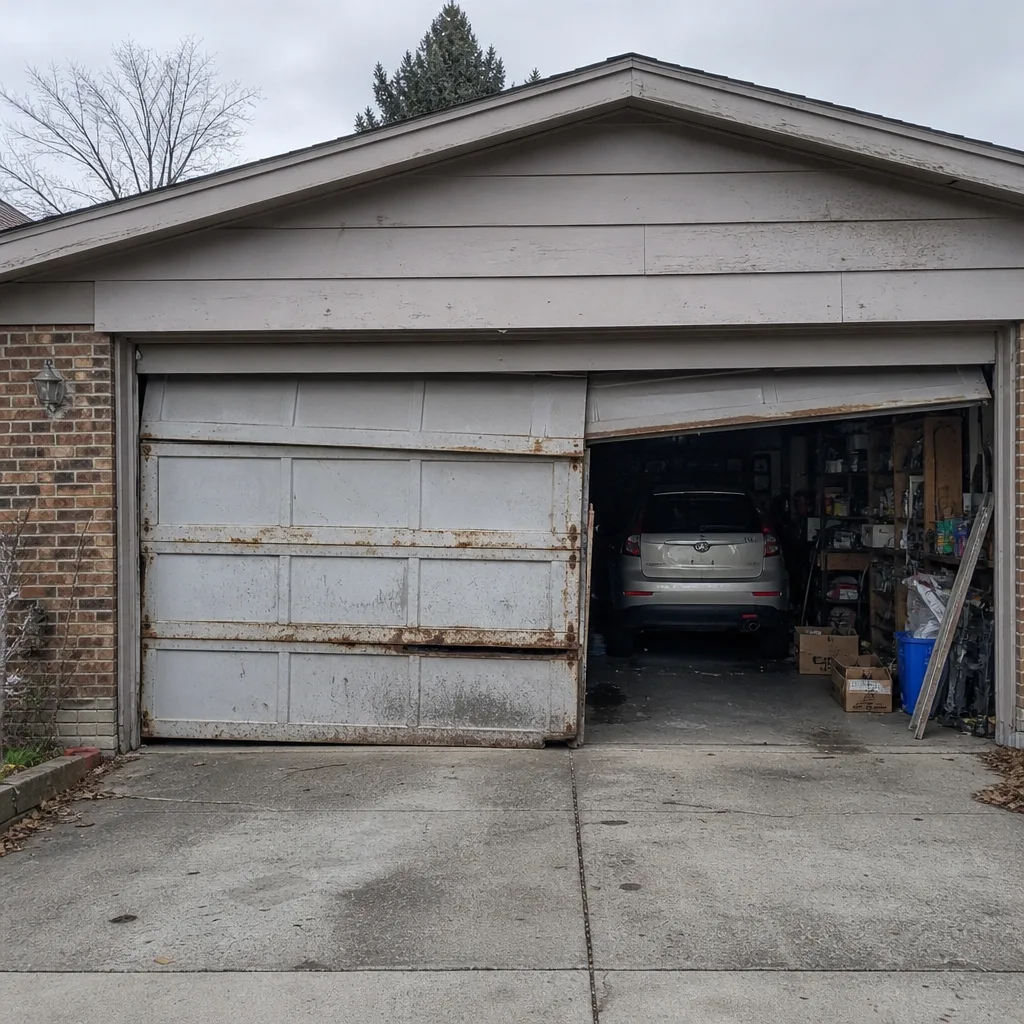 Before
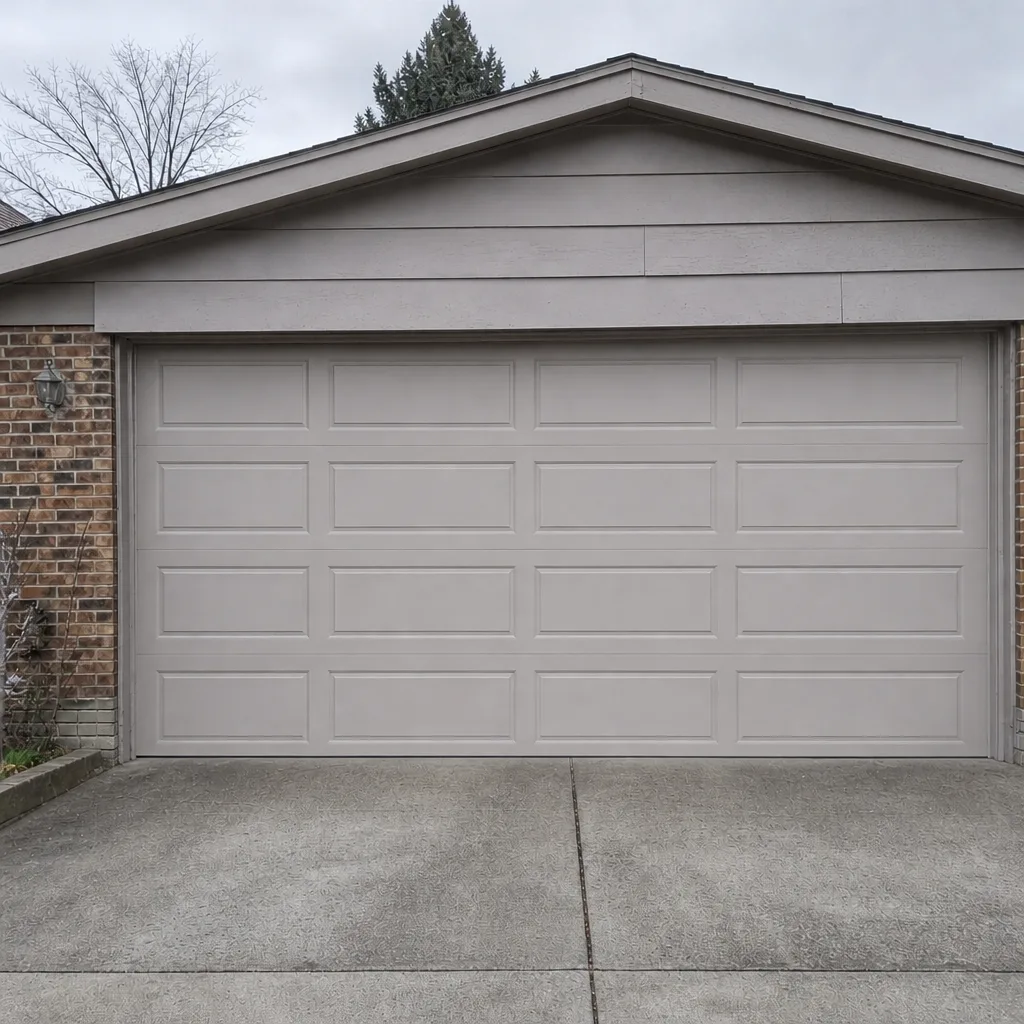 After
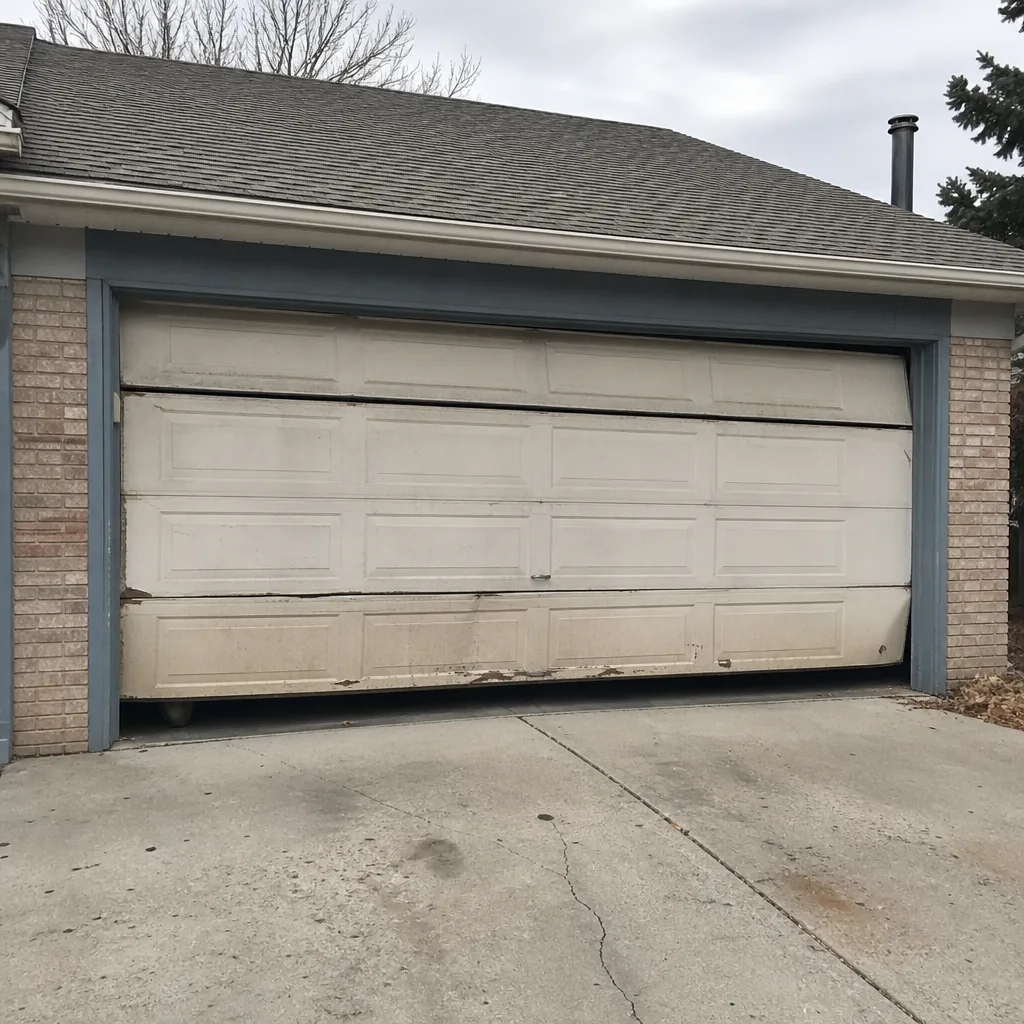 Before
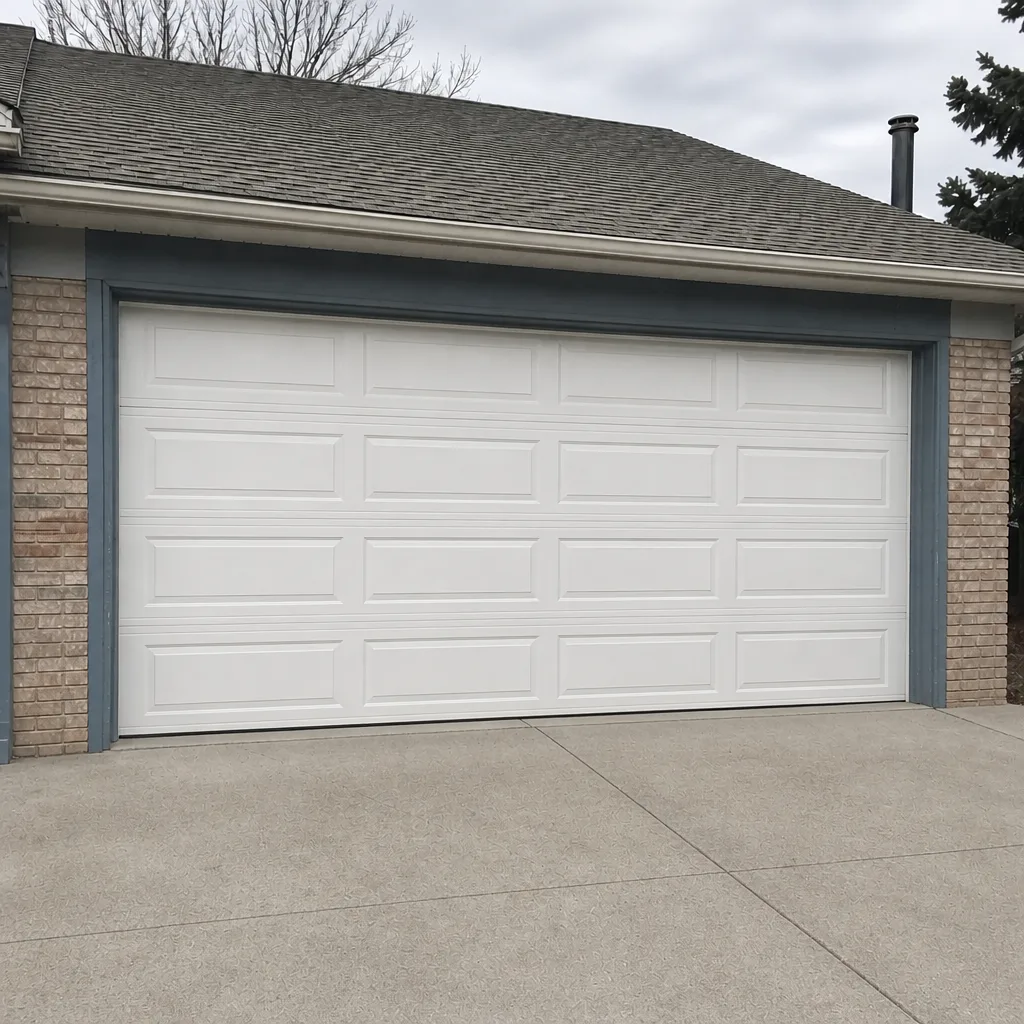 After
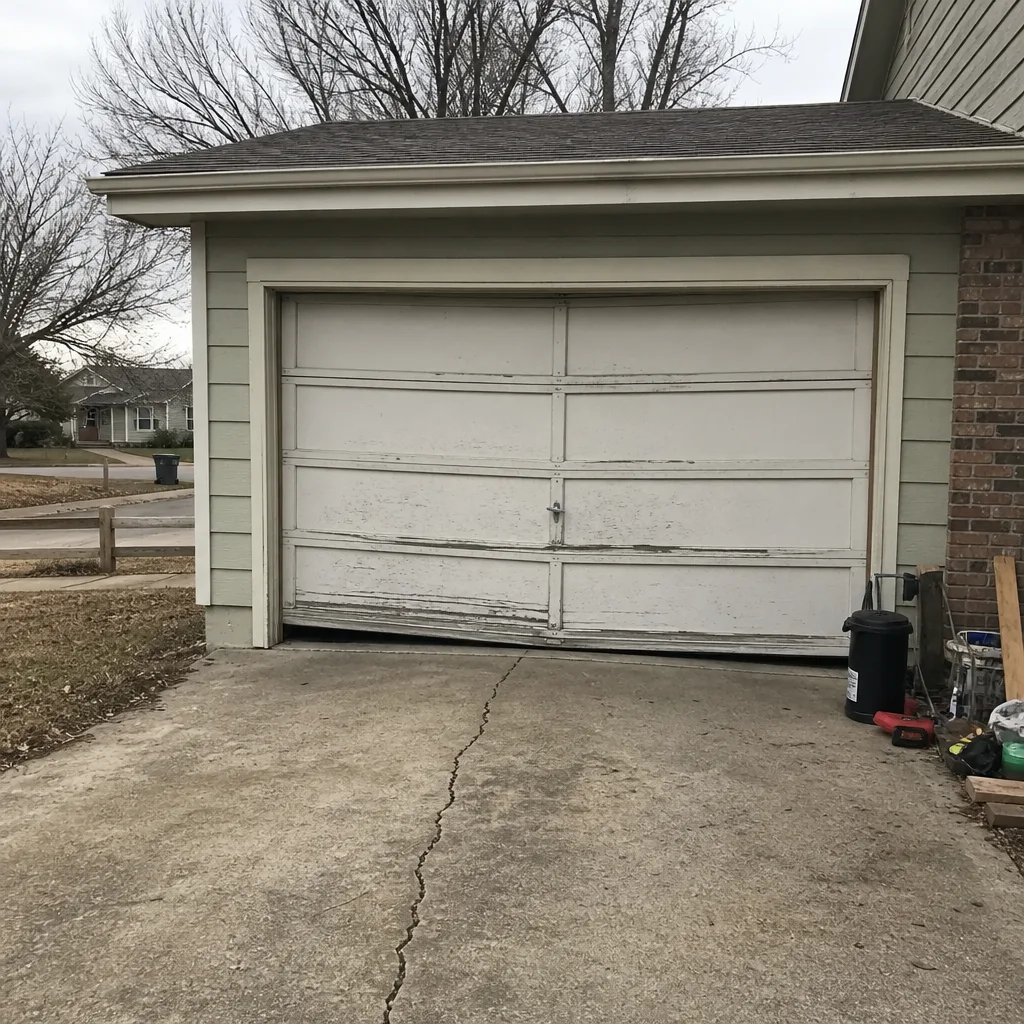 Before
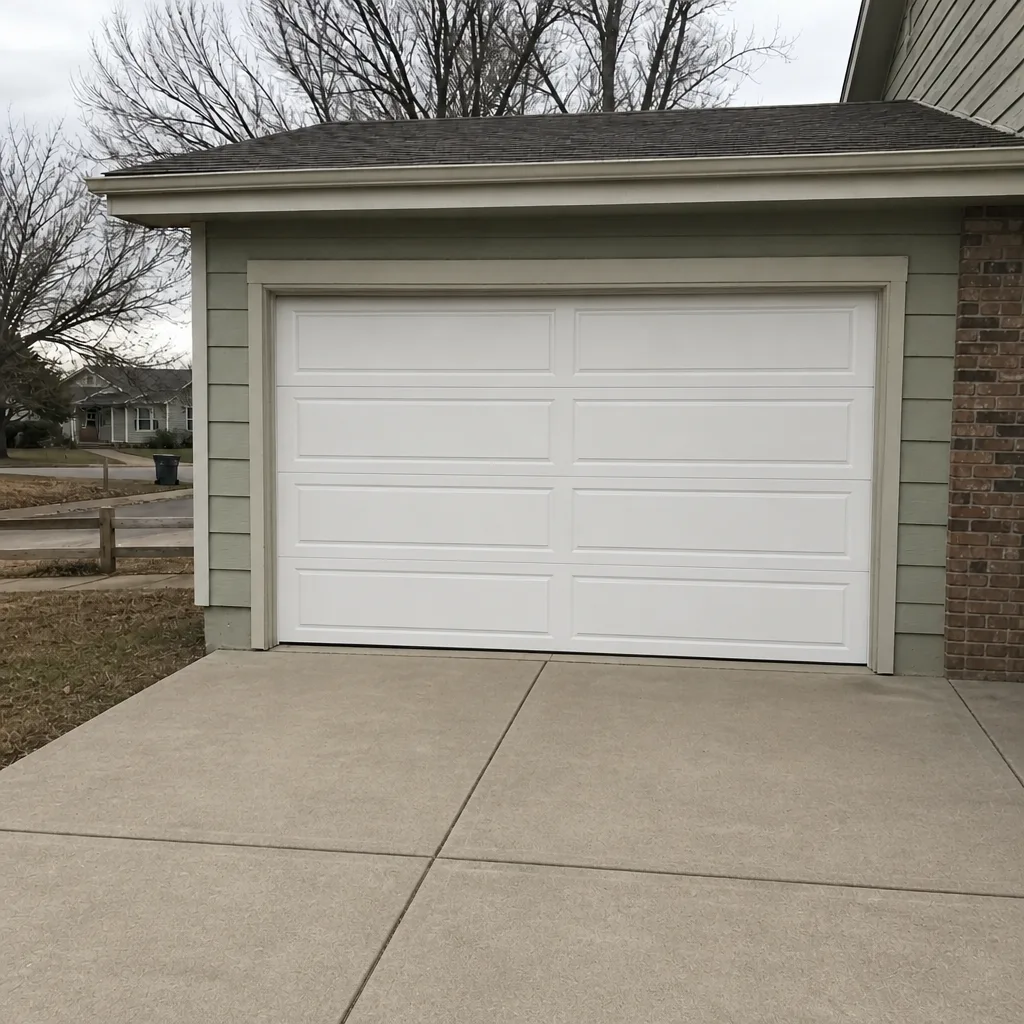 After
When to Call a Professional
Call a licensed technician for anything involving springs, cables, or the opener’s electrical connections. These components store enough energy to cause serious injury, and no amount of online instruction substitutes for the right tools and the right training. Call us as well if your door is out of balance, a track is bent, the opener runs but the door doesn’t move, or you’re planning a replacement and want a free written estimate before you commit. Same-day service is often available on repairs. A new door installation is measured, ordered, and scheduled, so expect a written price rather than a same-day promise. Lockhart Garage Door Service offers free estimates in Centennial. Call (844) 834-3842. We answer 24/7. Fast dispatch from 7am to 7pm, Sunday through Friday.
Frequently Asked Questions
A typical single-car door runs $900 to $2,200 installed, and a two-car door runs $1,400 to $3,500 depending on insulation and brand. Insulated doors sit toward the top of those ranges because many Centennial HOAs require them. Call (844) 834-3842 for a free written estimate on your specific door.
National calculators leave out Colorado labor rates, old-door disposal, and HOA insulation requirements. Those three items account for most of the gap. A written estimate itemizes each one so you can see where the money goes. Call (844) 834-3842 and we’ll walk through the line items with you.
A single spring runs $180 to $340 installed, and a matched pair usually costs about twice that. Both springs get replaced together because they wear at the same rate. Call (844) 834-3842 for an exact quote – estimates are free.
Most cities require one, so ask Centennial’s building department before work begins. Rules vary by project scope, and an unpermitted install can complicate a future sale. A written estimate should note whether permit handling is included. Call (844) 834-3842 if you want help understanding what applies to your job.
Often, yes. Opener faults are frequently sensor alignment or a worn drive gear, and both are quick to diagnose on-site. Call (844) 834-3842 for exact availability on your date.
No – the written estimate you approve before work begins is the price you pay. If the inspection turns up something that changes the scope, you’ll hear about it before any additional work starts. Call (844) 834-3842 to schedule.
The Bottom Line
Centennial garage door costs come down to four things: the door itself, the insulation your HOA requires, Colorado labor and disposal rates, and whether the job is a repair or a replacement. A single spring runs $180 to $340. An insulated two-car door runs $1,400 to $3,500 installed. Get every number in writing, itemized, with disposal and permits accounted for, and the quote you approve is the price you pay. We work on your brand, whatever it is, and we’re fluent across the eight brands most installed in this city. For a free estimate on your Centennial door, call Lockhart Garage Door Service at (844) 834-3842. We answer 24/7. Fast dispatch from 7am to 7pm, Sunday through Friday.
Written by the team at Lockhart Garage Door Service.