
Last updated November 15, 2026
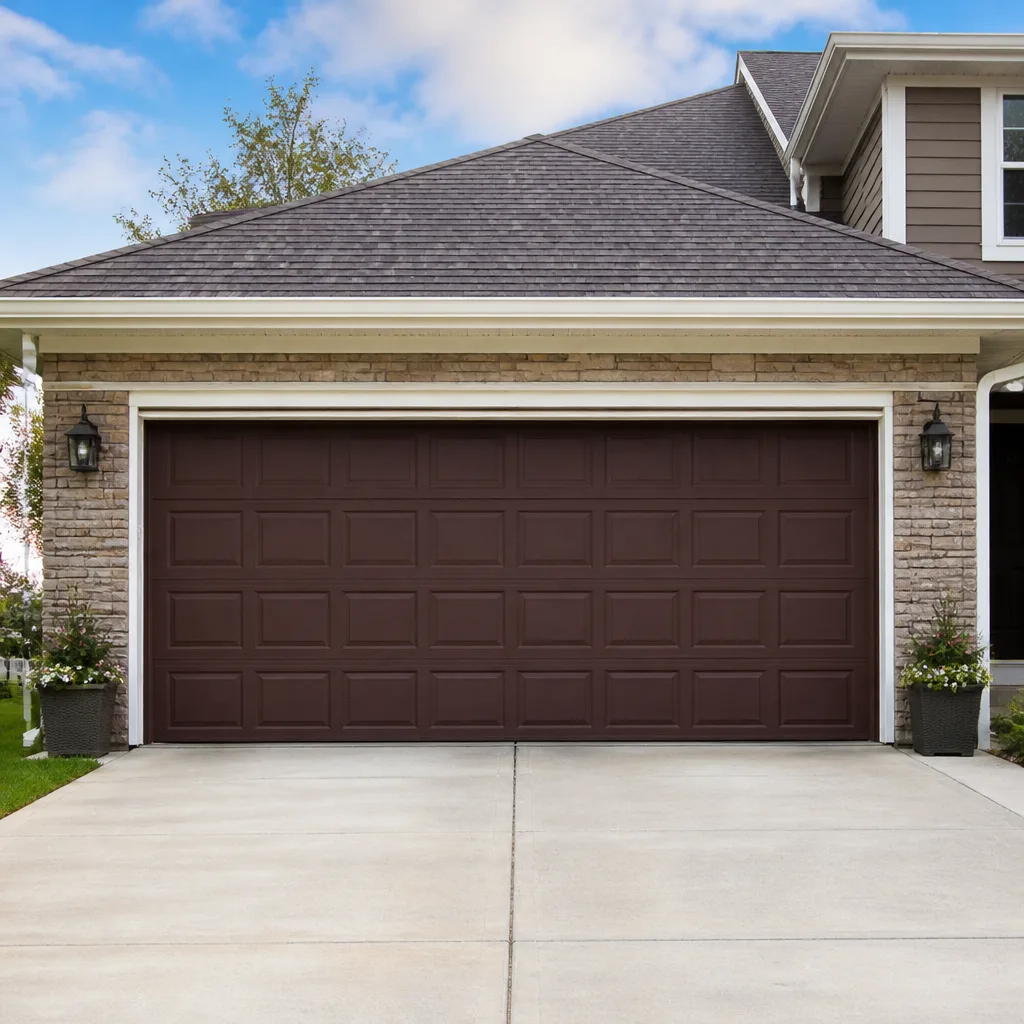 Raised-panel steel
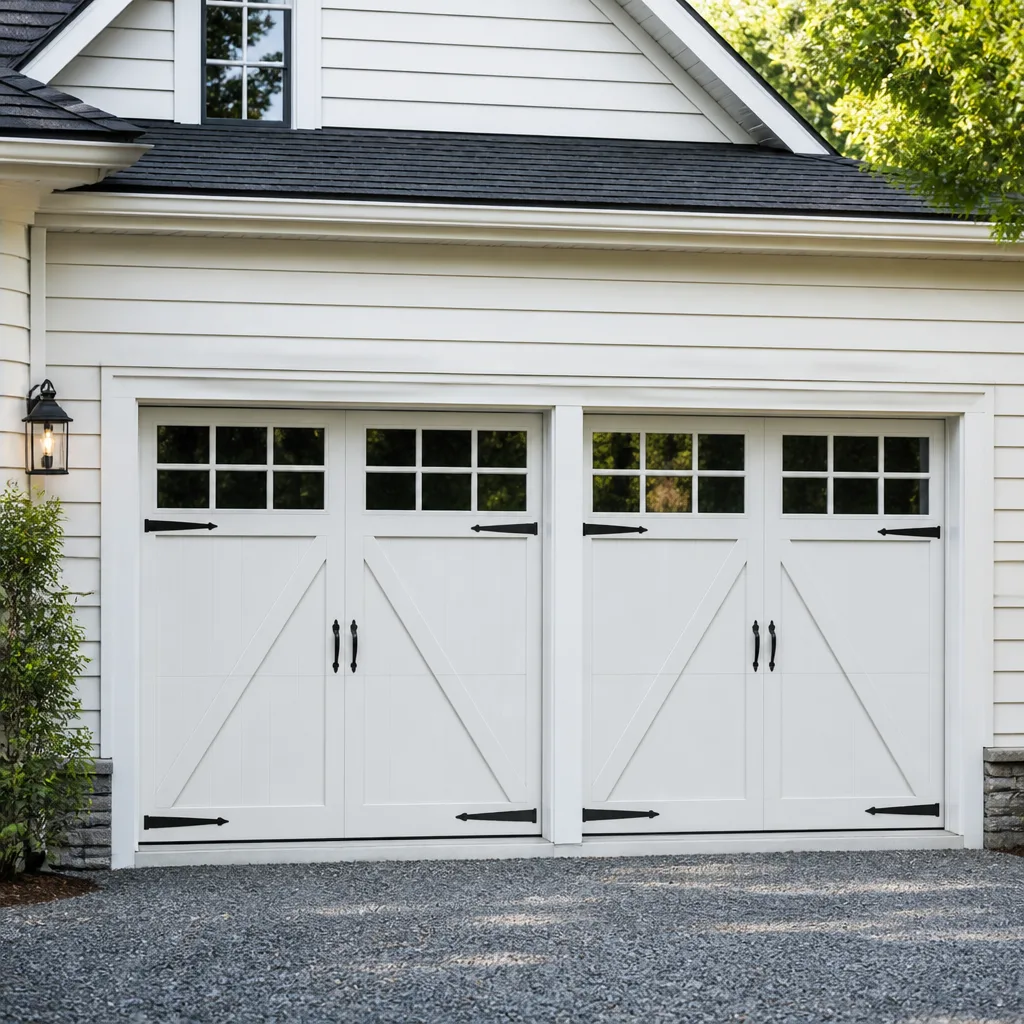 Carriage house
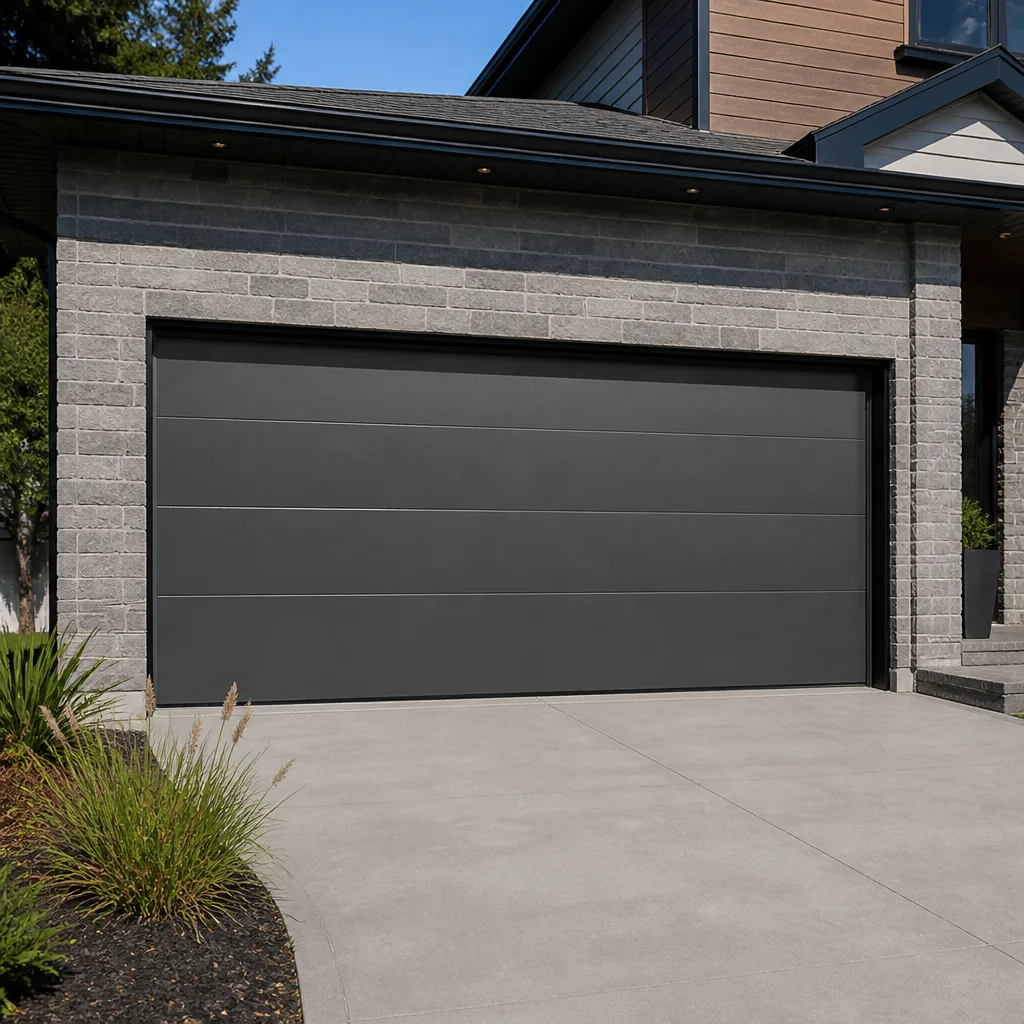 Modern flush
 Full-view glass
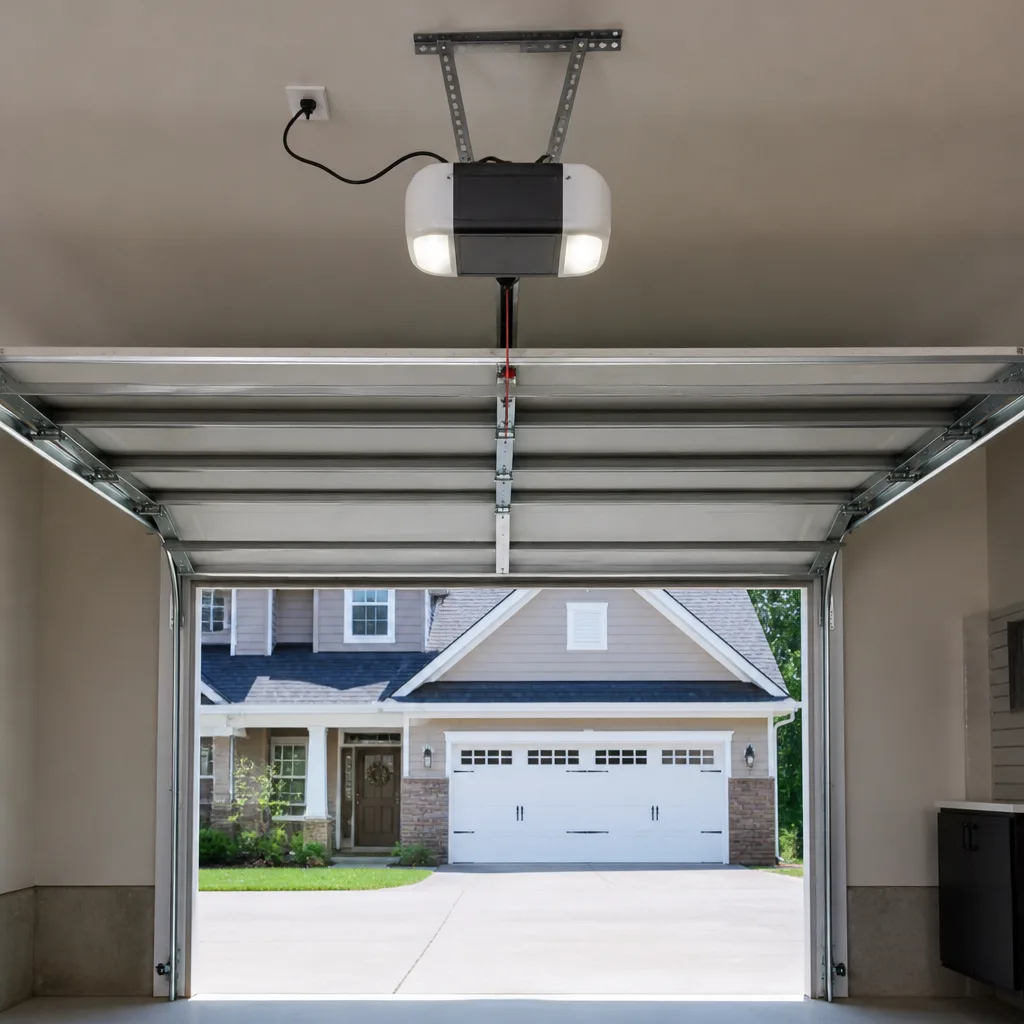 LiftMaster openers
 Chamberlain openers
Full 25-point door and opener safety check with every visit - springs, cables, rollers, tracks, and your LiftMaster or Chamberlain opener included
You get a price before we start. It does not change when the pro arrives.
Get your free estimateGarage Door Warning Signs: A Centennial Homeowner’s Reference Guide
A garage door doesn’t snap a cable or break a spring without warning. It telegraphs the problem for weeks through sounds, speed changes, and uneven movement that most homeowners attribute to “just getting older.” That’s the trap: the door has no way to tell you what normal feels like, so a slow grind or a half-second hesitation at the bottom of travel gets filed away as normal until the morning the door won’t move at all. In this guide we’ll walk through what each sound means at the component level, what you can spot from the driveway, which opener behaviors point to mechanical problems rather than electrical ones, and how to sort the warning signs you see into three clear categories: monitor it, schedule service, or stop using the door today. Every door we look at around Centennial falls into one of those buckets.
Quick Answer
Garage door warning signs fall into four groups: unusual sounds (grinding, squealing, popping, rattling), visible damage (cable slack, panel gaps, uneven gaps at the floor), sluggish movement or reversal hesitation, and a door that feels noticeably heavier when you lift it by hand. Grinding and cable slack mean stop using the door now. Popping, squealing, and a heavier-feeling door mean schedule service soon, because those are the signs that typically precede spring or cable failure. A door that only rattles or sounds slightly dry is usually safe to keep using while you get it looked at.
Styles & brands we work with
- Raised-panel steel
- Carriage house
- Modern flush
- Full-view glass
- LiftMaster openers
- Chamberlain openers
Table of Contents
- How a Garage Door Tells You Something Is Wrong
- The Sound Diagnostic: What Each Noise Points To
- Visual Signs You Can Spot From the Driveway
- Opener Behavior Changes That Signal Mechanical Trouble
- “The Door Feels Heavier” and Why It Precedes Spring Failure
- The Severity Triage: Monitor, Schedule, or Stop
- Why Centennial Homes See These Signs Differently
- Seasonal Checks That Catch Problems Early
How a Garage Door Tells You Something Is Wrong
A garage door system has two halves. The door itself carries panels, hinges, rollers, tracks, cables, and springs. The opener handles the motor, the logic board, the safety sensors, and the drive mechanism. Both halves run on physics that don’t hide problems well. A torsion spring that’s lost part of its tension, a cable that’s begun to fray, a roller that’s worn one side flat, all of it shows up as a change in sound or motion long before the door quits.
The reason homeowners miss it is simple. You open and close the door dozens of times a week, usually from inside the car with the radio on. The baseline sound becomes invisible. When it changes a few percent per month, there’s nothing to compare against, so it reads as “normal for an old door.”
Here’s what the system is actually doing when everything is healthy:
- Springs hold the door’s weight, so the opener only has to push or pull about ten to fifteen pounds by the time you account for balance. A balanced door should stay put when you raise it halfway by hand and let go.
- Cables run from the spring system to the bottom brackets and carry tension, not force. If they look slack, something upstream has failed.
- Rollers glide inside the tracks with a low, even hum. Worn rollers get flat spots, which you hear as a cyclical thump on every revolution.
- Hinges pivot at each panel joint. When they dry out, they squeal at the exact points in travel where the door articulates.
- Opener hardware (drive belt, chain, or screw) transfers force to the door. The opener isn’t the strongest part of the system, and it’s often the first thing blamed for a door-side problem.
We work on whatever brand is already on your home. That matters for diagnosis. A Raynor door with a Genie opener has different normal sounds than a Clopay door with a LiftMaster opener, and knowing the difference between “this is how that system has always sounded” and “this is new” cuts diagnostic time significantly. Most warning signs fall into one of the four categories in this guide, and each category has a reliable set of causes. If you’d rather have someone walk the door with you, our garage door repair service is built around exactly that kind of diagnosis.
The Sound Diagnostic: What Each Noise Points To
Listen with the car off and the door operating. Each of the four main sounds maps to a specific component, and each carries a different urgency level.
Grinding
Grinding is metal-on-metal contact, and it almost always comes from a few specific places. The opener’s drive gear can strip and grind against the worm gear inside the housing. A torsion spring can break and drop, leaving the door to drag on the track. A roller can seize and start grinding against the rail. A cable can jump a drum and rub against the side of the door. Grinding is the highest-urgency sound on this list. Stop operating the door and get a technician out, because continued use of a jammed or unbalanced door can worsen the damage or lead to a spring or cable letting go completely.
Squealing
Squealing is friction, not failure. The usual culprits are dry hinges at the panel joints, dry rollers with worn bearings, or a torsion spring starting to bind. It’s annoying but rarely dangerous on its own, and it’s the most fixable sound on the list. Squealing on a schedule means “lube and inspect,” not “emergency.” A squeal that just started suddenly on a door that’s been quiet, particularly right after cold weather, deserves a closer look because springs and cables sometimes chirp just before they fail.
Popping
Popping is the most misread sound in the whole diagnostic. Homeowners hear it once or twice per cycle and assume the door is settling. In reality, popping means cables are slipping on the drums or the spring has begun to unwind unevenly. Both are precursors to a cable coming off or a spring breaking. A single pop at the start of travel is often the opener’s travel limit or a hinge snapping over a worn roller. Repeated popping through the whole cycle is a scheduling signal. Popping on a door that’s operating under one working spring (which is most of a broken-spring case) means don’t run it.
Rattling
Rattling is loose hardware. Hinges with worn screws, a top section that’s separated slightly from the panel below, track bolts that have backed off, or a safety sensor bracket that’s come loose. Rattling doesn’t usually indicate immediate failure, but it does tell you the door is running out of alignment, which accelerates roller wear and can eventually work a hinge bolt out entirely. Tighten anything obvious, and have a technician check the rest.
Brand matters less than people expect. LiftMaster and Chamberlain openers run quieter than older chain-drive Genie units, so the same drive fault can sound louder on one than the other. A Raynor chain-hoist commercial door in a residential application will rattle more than a residential Clopay door simply because of how the hardware is built. Garage doors are all we do, and after enough jobs on every major brand, the sound itself tells us where to look first.
Visual Signs You Can Spot From the Driveway
You don’t need a flashlight or a ladder for most of these. Pull into the driveway, get out, and look at the door while it’s closed and while it runs once. The clues are obvious when you know where to look.
Cable slack
Look at the vertical cables running along each side of the door. They should be taut and straight. A cable hanging in a loose curve, or one that’s clearly drifting sideways off the drum at the top, means the spring has lost tension or a drum has faulted. Don’t operate the door with visible cable slack. A cable that snaps under load can whip with enough force to damage the door, the car, or anything in the path.
Uneven gap at the floor
With the door fully closed, the bottom seal should meet the floor evenly across its width. A gap at one corner, or one end of the door touching while the other hovers, points to a bent track, a worn hinge, or an out-of-balance door. A small gap you can slide a finger under is worth fixing before it lets water or pests into a Centennial garage. A gap you can see clearly from the street is worth a service call.
Panel gaps or misalignment
Stand back and look at the horizontal lines between panels. They should be parallel. One panel sitting slightly off-square from its neighbors usually means a hinge has bent or a track has shifted. Panel misalignment accelerates wear on the hinge and the roller behind it, and it stresses the door’s frame with every cycle.
Bent or out-of-plumb track
Look at the tracks running up each side. A dent, a bend at the curve, or a track that’s visually out of line at the top means the rollers are fighting their way through a section that isn’t where it belongs. A door hitting a bent track can drop a roller in the curve and jam the door mid-travel. If you see track damage, stop operating the door until someone can realign or replace the track.
Bent door panels
A door that’s been backed into (with a car, or by the door coming down on something left in the path) usually shows a crease or a bow in the lower panel. A small crease is cosmetic. A visible bow is structural, and it stresses the hinge points and changes the door’s balance. If the door was struck and now runs differently, get it inspected. You can learn more about the scope of a Lockhart Garage Door Service job and what to expect from the process.
Opener Behavior Changes That Signal Mechanical Trouble
This is where homeowners go looking for the wrong fix. When a door runs slow or hesitates, the assumption is usually “the opener is going bad.” Plenty of the time, the opener is fine and it’s telling you the door is fighting it. Sorting one from the other saves you a needless opener replacement.
Here’s how to tell which half of the system you’re dealing with.
- Slower travel in the up direction. A door that’s started to crawl on the way up is usually heavier than the opener expects. That points to a spring that’s losing tension, not an opener losing power. The same door will often still close at normal speed.
- Slower travel in the down direction. A door that’s crawling on the way down can be a failing opener gear, a worn drive belt, or an obstruction in the track. Check the track for debris first; if it’s clear, it’s a mechanical problem.
- Reversal hesitation. If the door reaches the floor and hangs a beat before opening or before the opener reverses (in a safety test), either the travel limits have drifted or the safety sensors are misaligned or dirty. Clean the sensor lenses first. If the sensors look clean and the door still hesitates, have the opener logic checked.
- Inconsistent response to the remote. A remote that works sometimes and not others, or one that only works from close range, is a remote or antenna issue, not a door issue. Change the remote battery, then check the opener’s antenna wire. If a LiftMaster or Chamberlain unit responds through the wall button but not the remote, the remote is the suspect.
- Opener runs but the door doesn’t move. This is a classic stripped drive gear or a broken torsion spring. The opener is fine; the door isn’t. Don’t keep running the opener hoping it catches. It won’t, and you’ll burn the motor.
- The door reverses before contacting the floor. Safety sensors are the usual cause. A sensor knocked slightly out of alignment or a lens with dust or cobwebs on it will trigger a mid-travel reverse. Realignment is usually a five-minute fix.
If the opener itself is the confirmed issue, that’s a genuinely distinct repair from anything on the door. A Chamberlain or LiftMaster motor with a failed logic board, a Genie drive chain that’s stretched, a Raynor-era opener with a dead receiver: each one wants someone who’s worked on that brand. That’s why we treat garage door opener repair as its own competency rather than an afterthought to door repair. Your opener, diagnosed right, saves you from replacing something that didn’t need replacing.
“The Door Feels Heavier” and Why It Precedes Spring Failure
This is the single most important warning sign in the whole guide, and it’s the one homeowners dismiss most often. If you disconnect the opener (pull the red manual release handle) and lift the door by hand, it should feel light and stay balanced when you let go at about halfway up. A door that requires real effort to lift, or drifts back down when you release it, is telling you the springs have lost tension.
Why do homeowners dismiss it? Three reasons.
- The opener hides it. The opener pulls the door up regardless of how heavy it is, so the change in effort isn’t obvious until you operate the door by hand. The heavy feeling is real; it’s just invisible while the opener is doing the work.
- It happens gradually. Springs don’t lose all their tension overnight. The door gets a little heavier each month, and the person lifting it once a year doesn’t notice the drift from “light” to “heavy” because there’s no fresh baseline.
- It’s not urgent-feeling. A heavy door still opens. That’s the trap. A torsion spring that’s dropped most of its tension is on a countdown. It works until it doesn’t, and when it goes, the door comes down hard or stops stuck in the open position, which leaves your car trapped in the garage or your garage exposed to the street.
Here’s a fast way to test a door in Centennial before you assume everything is fine: pull the manual release, lift the door by hand at the bottom center, and stop at about halfway. Let go. A healthy door stays right where you put it. A door that slams down is out of balance. A door that needs a shoulder to lift is heavier than it should be. Reconnect the opener afterward or call a technician to do the check and reset the opener. This is the check we wish every homeowner did once per season, because it’s the earliest signal you’ll ever get that something is wrong upstream.
We want to be direct about one thing: the hand-lift check is safe to do because nothing is under tension while you’re doing it the way described (door half-open, manual release engaged, no contact with spring or cable hardware). Wet springs, cables under load, and torsion bars are a completely different story. Springs and cables store a large amount of energy, and they can hurt someone badly if touched while under tension. Never adjust, lubricate the spring itself, or loosen any spring or cable hardware on your own. That’s a job for a technician with the right tools and experience with the specific system. Our technicians have up to 9 years of experience, and spring work is the kind of thing where experience matters most.
The Severity Triage: Monitor, Schedule, or Stop
Every signal in this guide lands in one of three buckets. Sort what you’ve noticed into the right bucket and you’ll know whether to keep using the door, book an appointment, or shut it down until someone inspects it.
Monitor: Keep using the door, note the trend
- Mild rattling on one part of the cycle
- Occasional squeal, especially after a cold snap
- Opener remote that needs a fresh battery or works only at close range
- Small gap at the floor seal that’s stable over several weeks
- Dry hinges at the panel joints
These signs don’t mean “ignore.” They mean “watch.” Put them on a note. If any of them gets worse in a week or two, move to the schedule column.
Schedule: Book a service call in the next week or two
- Popping sounds through the cycle
- Door that visibly runs slower in one direction
- Door that hesitates when the sensors trip
- Door that needs noticeable effort to lift by hand
- Uneven gap at the floor that’s clearly visible from the street
- Panel misalignment or a bent hinge
- Opener runs but the door moves in fits and starts
This column means the door is still functioning but is working against itself. Continued operation means wear accelerates on rollers, hinges, and the opener. Booking a service call at this stage is almost always cheaper than waiting for the eventual failure.
Stop: Don’t operate the door until someone inspects it
- Visible cable slack
- Cable that’s jumped off the drum
- Grinding from the door frame or inside the opener housing
- Door stuck partially open or partially closed
- Single loud bang, then the door hangs or falls hard
- Bent or out-of-plumb track
- Door that runs but clearly has lost its spring balance (goes down hard when released halfway)
- Anything creased, cracked, or hanging loose near the springs or cables
Stop-column signals are what a broken spring, snapped cable, or a bent track look like. Using the door in that state risks an injury or further damage. Call a technician before running the door again. If anyone in the household relies on the door to get to work in the morning, that call the same day matters.
Why Centennial Homes See These Signs Differently
Centennial sits on the Front Range south of Denver, and the climate here shapes what fails and when. Homes in Centennial see large temperature swings, dry winters, and hail in the warm months, and all three put specific stress on garage door systems.
- Temperature swings. A 40-degree swing between night and afternoon is normal here. Metal expands and contracts with every swing, which works the fasteners on the hinges and tracks over time. Doors in Centennial and nearby communities like Cherry Creek State Park tend to rattle and squeal more in spring and fall than they do in midsummer.
- Dry air. Low humidity, common across the Front Range, dries out hinges and rollers faster than in humid climates. Squealing shows up earlier here than it would on a coastal door, and lubricating hinges is a yearly chore that actually pays off.
- Hail. Hail that pops up over Centennial in late spring can dent steel door faces, crack fiberglass top panels, and knock the alignment of the opener’s outdoor safety brackets. After a hailstorm, walk outside and check the door face for dents that weren’t there before. Dents at the bottom panel usually mean bent hinges above them.
- Wind events. Downslope windstorms are a Centennial-area reality. A door left open in a strong gust can bend a panel at the hinge points, and a door left partially open in high wind can be pulled off its track. On a high-wind day, keep the door closed and latched.
- Spring freeze and thaw. A door that was frozen to the floor overnight needs to break free cleanly when the opener lifts it. A door that’s frozen and can’t break free stresses the opener, the spring, and the hinge points. If the door is frozen to the floor, break it free by hand at the bottom seal before cycling the opener.
None of this is unique to Centennial, but the combination of dry air, big temperature swings, and hail means doors here do see certain wear patterns earlier than doors in most of the country. If you’re used to how a garage door behaves in another climate, expect a few surprises when you move to Centennial.
Seasonal Checks That Catch Problems Early
Four check-ins a year, ten minutes each, catches most of what this guide describes before it becomes a repair. This is the sequence we recommend for a Centennial home.
- Do the hand-lift test (once per season). Pull the manual release, lift the door by hand to halfway, and let go. It should stay put. If it drifts down, the spring balance is failing. Reconnect the opener afterward.
- Listen with the car off (once per season). Stand in the middle of the garage with the opener running. Note any popping, squealing, or grinding. Compare to last season’s memory.
- Look up the tracks (twice per year). From inside the garage, trace each vertical and horizontal track with your eyes. Any bend or dent is a flag to call.
- Check the safety sensors (twice per year). Look at the two sensors near the floor. Wipe the lenses gently. Press the wall button and reverse the door with an object in the path. If it doesn’t reverse, the sensors have a problem.
- Look at the cables (spring and fall). Straight and taut is normal. Slack or drifted off the drum means stop.
- Check the floor gap (spring and fall). Look at the bottom seal. Stable gap is fine; growing gap is a flag.
- Inspect the door face after hail (as needed). New dents mean new wear on the hinge behind them.
If you’re midway through this list and something looks off, that’s the check paying off. A quick call while the problem is small is faster than waiting for the door to fail. Call (844) 834-3842 for a free estimate on anything that looks past the monitor stage.
Common Mistakes to Avoid
- Blaming the opener for a door-side problem. A slow or hesitating door usually has a mechanical cause on the door itself. Replacing the opener before diagnosing the door catches the symptom, not the cause.
- Ignoring a “door feels heavier.” It’s the most reliable sign of a failing spring, and it’s easy to miss because the opener still pulls the door up. If you can’t lift it by hand, don’t keep running it.
- Running a door with visible cable slack. Slack means something upstream has failed. Using the door in that state risks a cable coming off the drum with force.
- Using WD-40 or similar on the hinges and rollers. It’s a solvent, not a lubricant. It dries out the joint and makes the squeal worse. Use a proper garage door lubricant on hinges, rollers, and the opener drive (or ask us what to use on your specific hardware).
- Adjusting travel limits or force limits to hide the problem. Cranking up the opener’s force setting to push through resistance that shouldn’t be there wears out the opener gear and hides a door-side failure. If the opener’s force setting needs adjusting, something’s wrong on the door.
- Doing the spring or cable work yourself. Springs and cables are under high tension even when the door is closed. Every year we hear from homeowners who tried, and the results are always worse than the original problem. Leave spring and cable work to a technician.
- Waiting for the door to stop working before calling. A door that’s showing three signals from the schedule column is telling you where it’s heading. Catching it at the “schedule” stage is almost always less expensive than catching it at the “stop” stage.
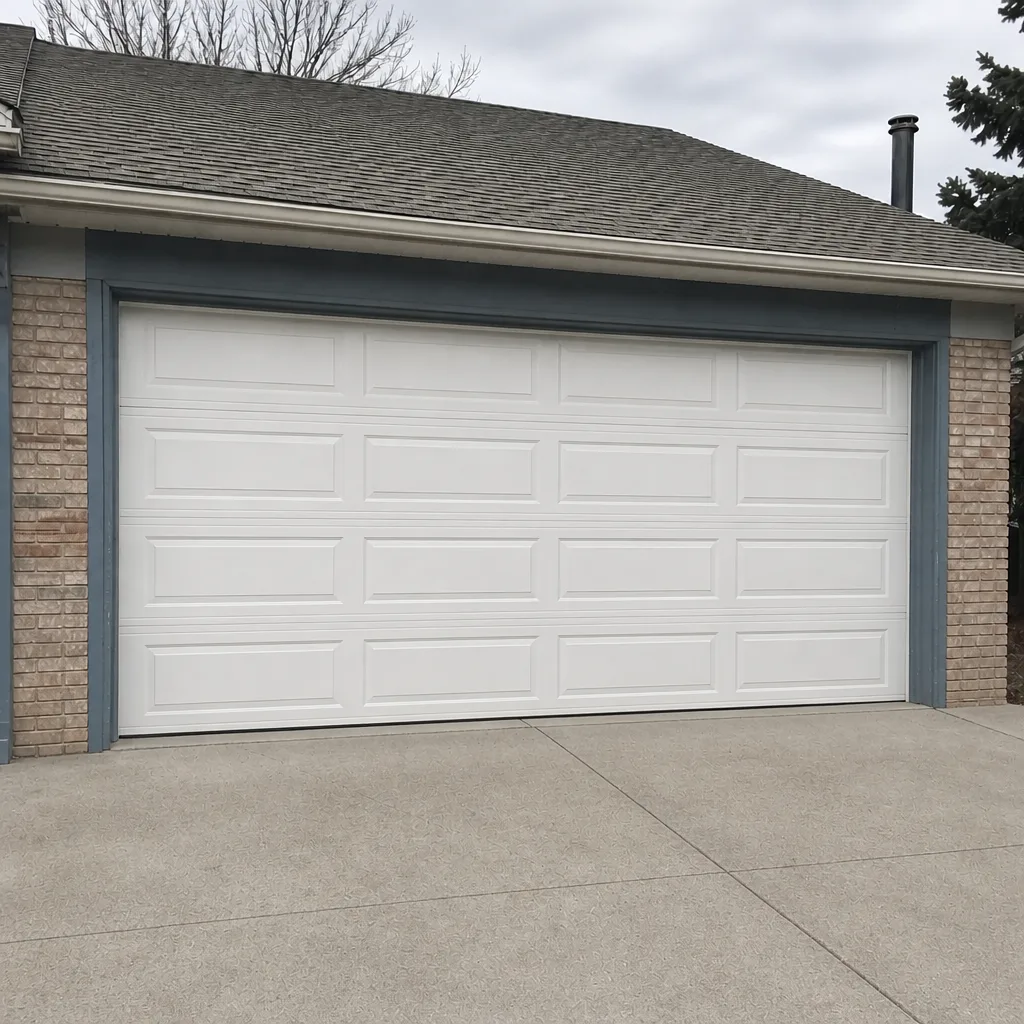
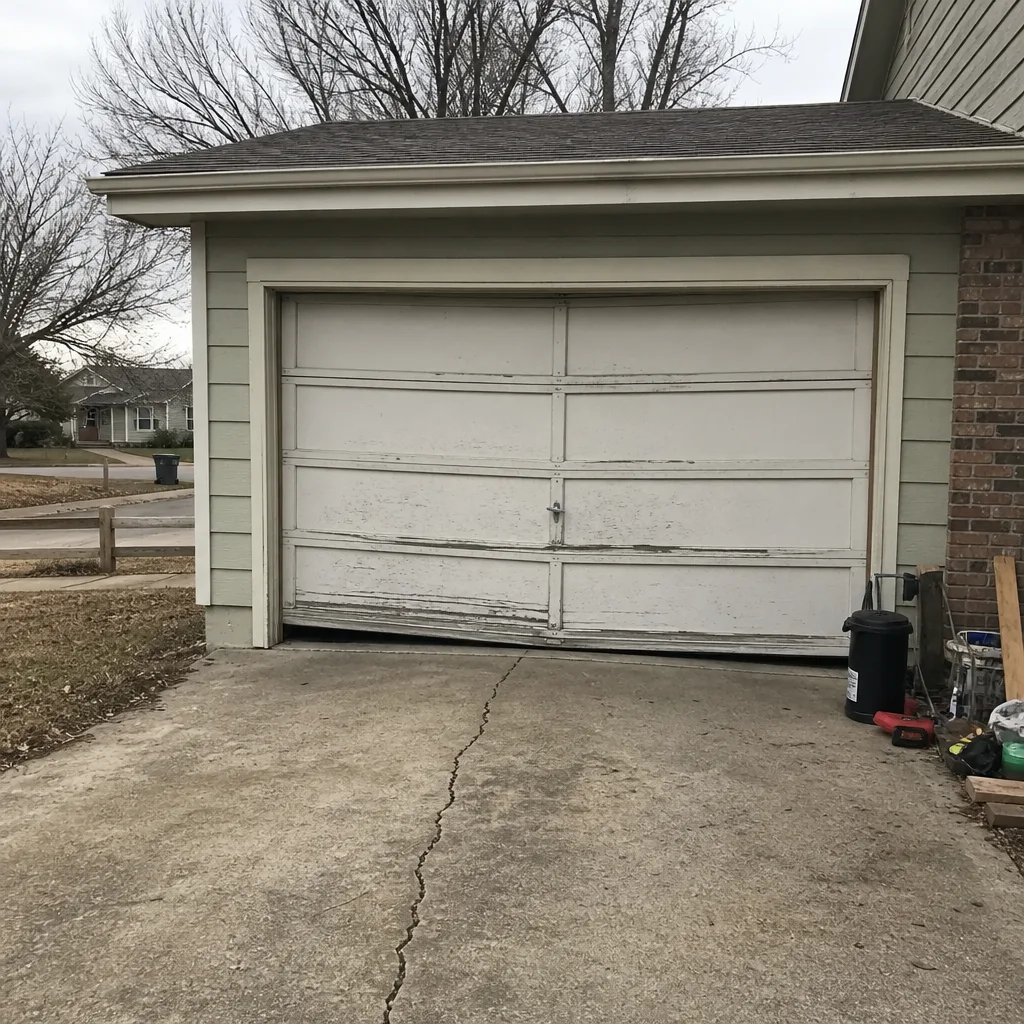
See the difference
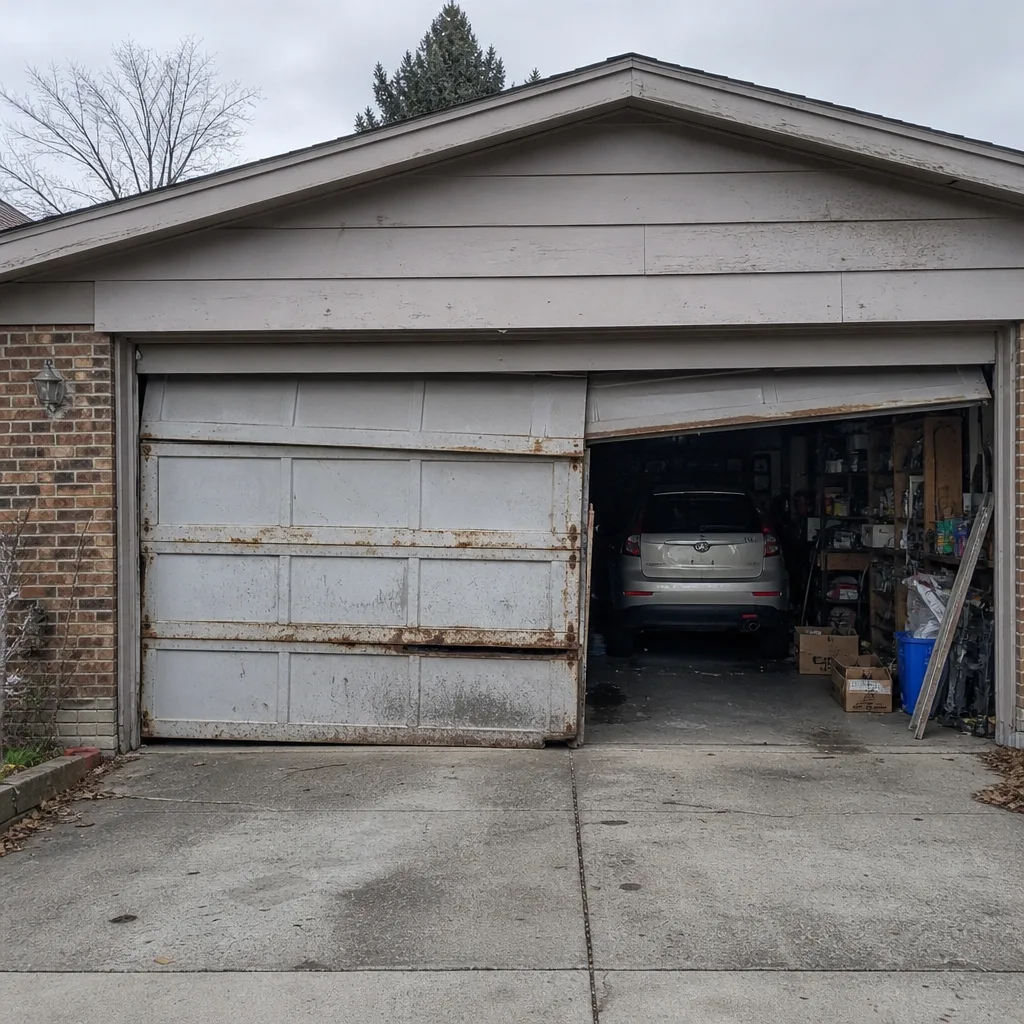 Before
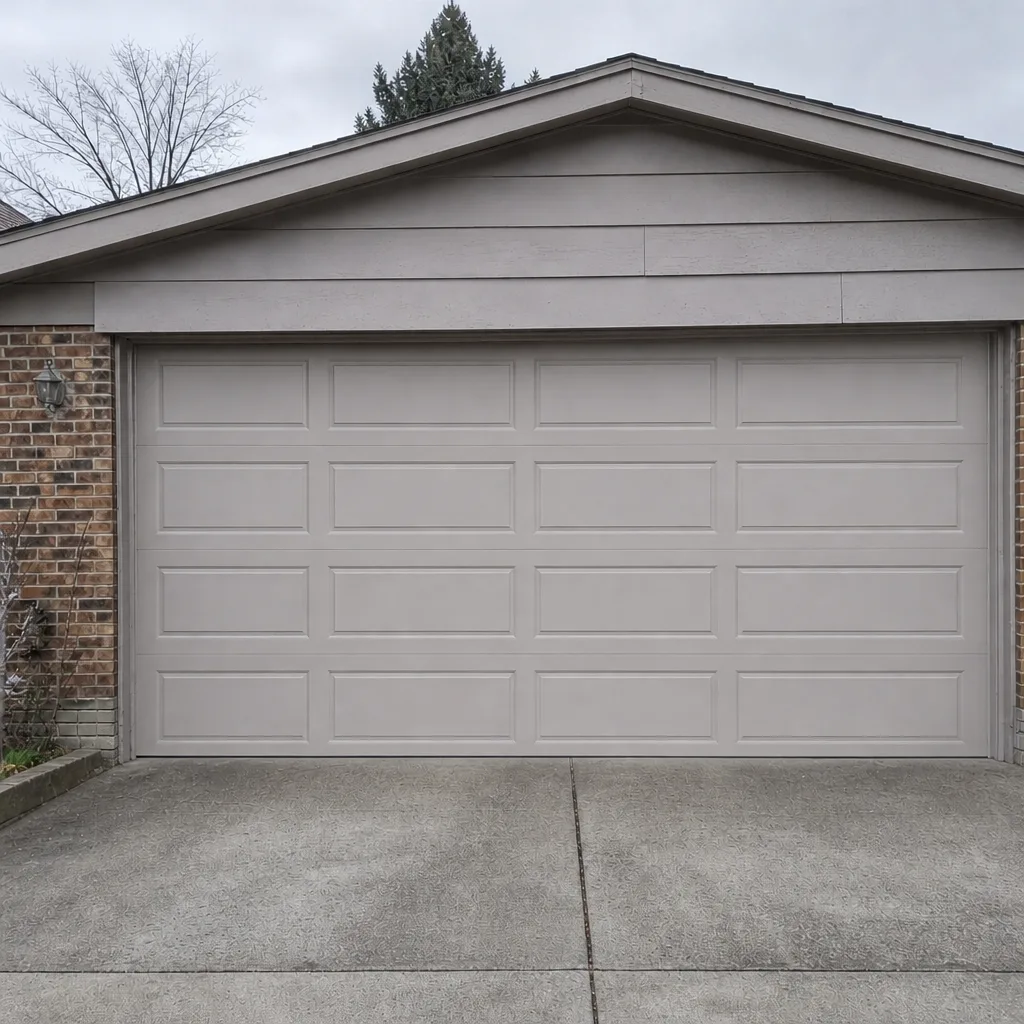 After
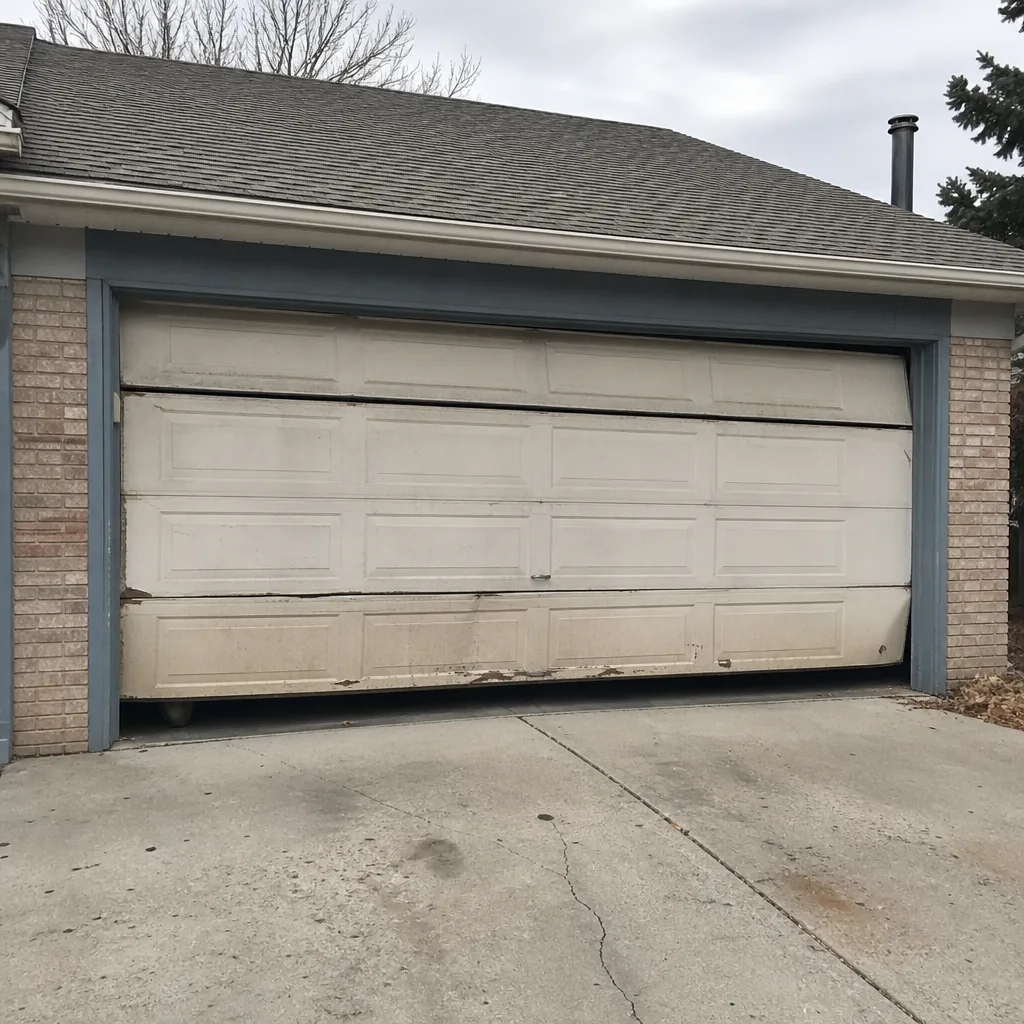 Before
 After
 Before
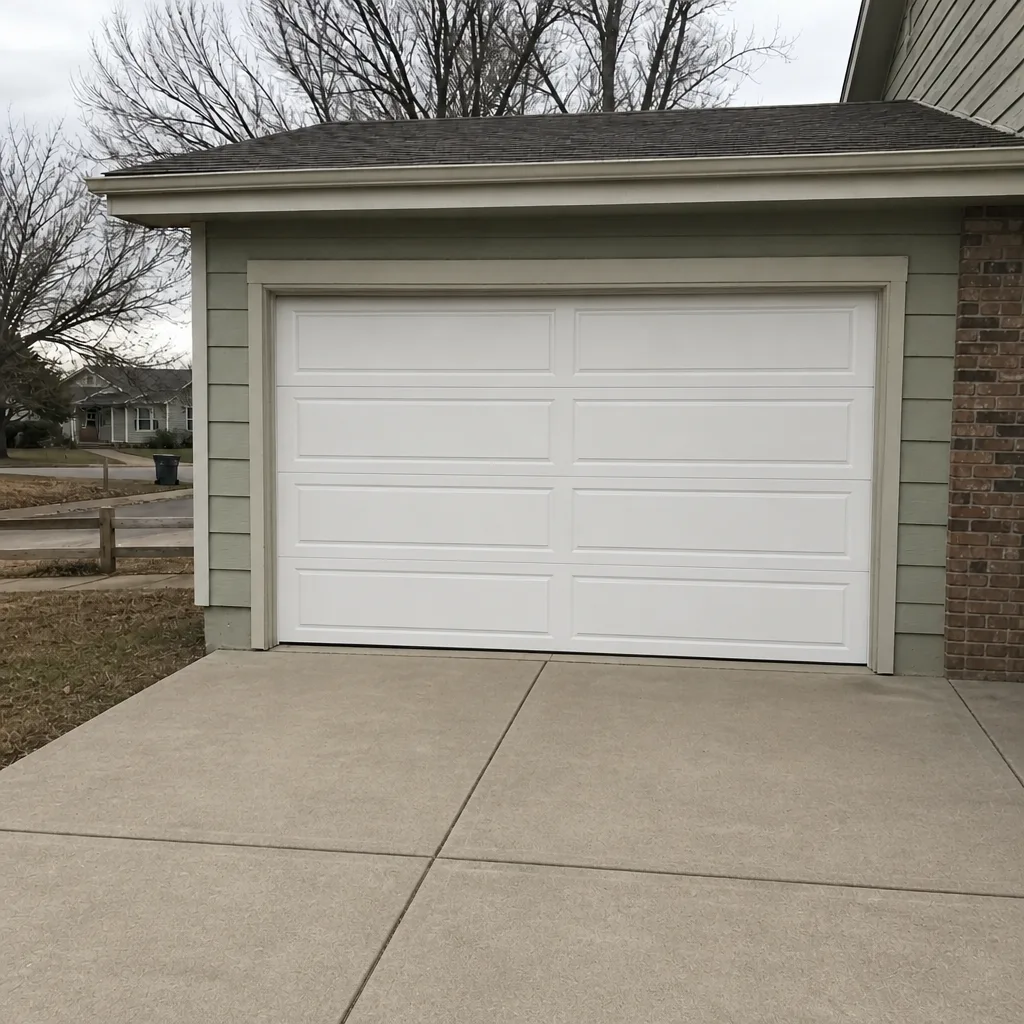 After
When to Call a Professional
Call a technician when any of these true-up: visible cable slack, grinding from anywhere on the door, a door that only opens partway, a door that runs but feels heavy by hand, a bent track, or a spring that’s lost balance. These are the “stop” column signals. Call for a service appointment (not an emergency) when you’re seeing schedule-column signs: popping, slower travel, hesitation, growing floor gaps, panel misalignment, or an opener that runs but doesn’t move the door smoothly. If you’re not sure which column your symptoms belong to, describe what you’re hearing and seeing and we can sort it out by phone. Lockhart Garage Door Service offers free estimates in Centennial. Call (844) 834-3842. We answer 24/7. Fast dispatch from 7am to 7pm. If you’re looking for service, our team in Centennial can walk the door with you and let you know what the warning signs are pointing to.
Frequently Asked Questions
A door that feels noticeably heavier to lift by hand is the first reliable sign. The opener can hide this because it pulls the door up regardless of how much effort is required, so the change is invisible unless you test by hand. A faint “chirp” or “pop” in the first second of travel is often the second sign. If either shows up, stop operating the door and get it inspected. Call (844) 834-3842 for a free estimate on your specific spring system.
Grinding means metal-on-metal contact and usually points to a stripped opener drive gear, a seized roller, or a broken spring that’s let the door drag on its track. Popping usually means cables are slipping on the drums or the spring has started unwinding unevenly. Grinding is an immediate stop-and-call signal. Popping is a schedule-soon signal. Call (844) 834-3842 to get an exact diagnosis on your door.
Garage door repair in Centennial is priced per job, and the written estimate sets the price before any work starts. A diagnostic visit identifies what’s wrong, and the estimate spells out the parts and the labor. The price quoted is the price you pay; the estimate doesn’t move after the fact. Call (844) 834-3842 for a free estimate – the price is set per job by the written quote.
It depends on the sound. A door that squeals or rattles mildly can usually be used until you get a service appointment, since those signals point to friction or loose hardware rather than imminent failure. Any grinding, visible cable slack, or a door that runs noticeably slower than usual is a stop-signal, and you shouldn’t keep operating it. When in doubt, don’t run it. Call (844) 834-3842 and describe what you’re hearing; we can usually tell you if it’s safe to keep using or not.
A mid-travel reverse is usually a safety sensor problem, not a balance problem. Dirty or misaligned sensor lenses are the most common cause, and realigning or cleaning them is generally a quick fix. If the sensors are clean and the door still reverses before contacting the floor, the door’s balance or the opener’s travel limits need to be checked. Call (844) 834-3842 for a free diagnostic estimate before you spend money on parts you may not need.
No. Springs are under high tension even when the door is closed, and the tools and technique required to release and replace them safely are not things a homeowner should attempt. A spring that lets go under the wrong conditions can cause serious injury. This is one job where a technician’s experience is the whole point. In Centennial, call (844) 834-3842 for a free estimate on a spring replacement, and don’t attempt it yourself.
The Bottom Line
Garage doors don’t fail without warning. They telegraph problems through sounds, speed changes, door balance, and visible cable and panel damage, and every sign in this guide falls into one of three categories. Monitor it: mild squeals, rattles, and remote issues that aren’t getting worse. Schedule it: popping, slower travel, hesitation, growing floor gaps, or a door that feels heavier by hand. Stop it: grinding, visible cable slack, bent tracks, or a door that’s lost balance. The single most valuable thing you can do is the hand-lift check once per season, because a door that’s lost spring balance is the most common precursor to a full failure, and it’s the easiest sign to catch early. We work on whatever brand is on your door, from Raynor to LiftMaster, Chamberlain to Genie, and garage doors are all we do. If something’s off, call before the small signal becomes a big repair.
Lockhart Garage Door Service offers free estimates in Centennial. Call (844) 834-3842 to schedule a service visit or to talk through what you’re hearing. We answer 24/7. Fast dispatch from 7am to 7pm, Sunday through Friday. Whether the door is in the monitor, schedule, or stop column, we’ll tell you what needs attention and what doesn’t, and price it clearly before any work begins.
Written by the team at Lockhart Garage Door Service.