
Last updated November 15, 2026
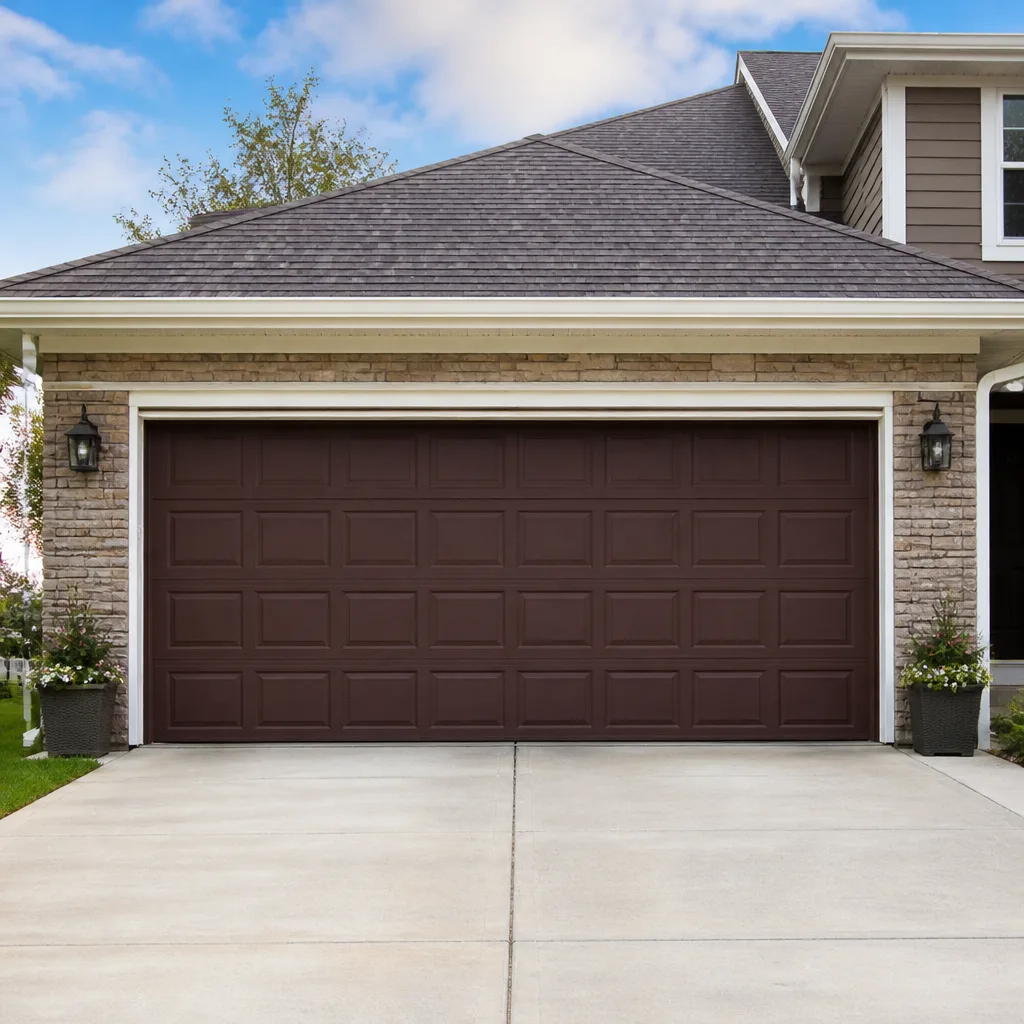 Raised-panel steel
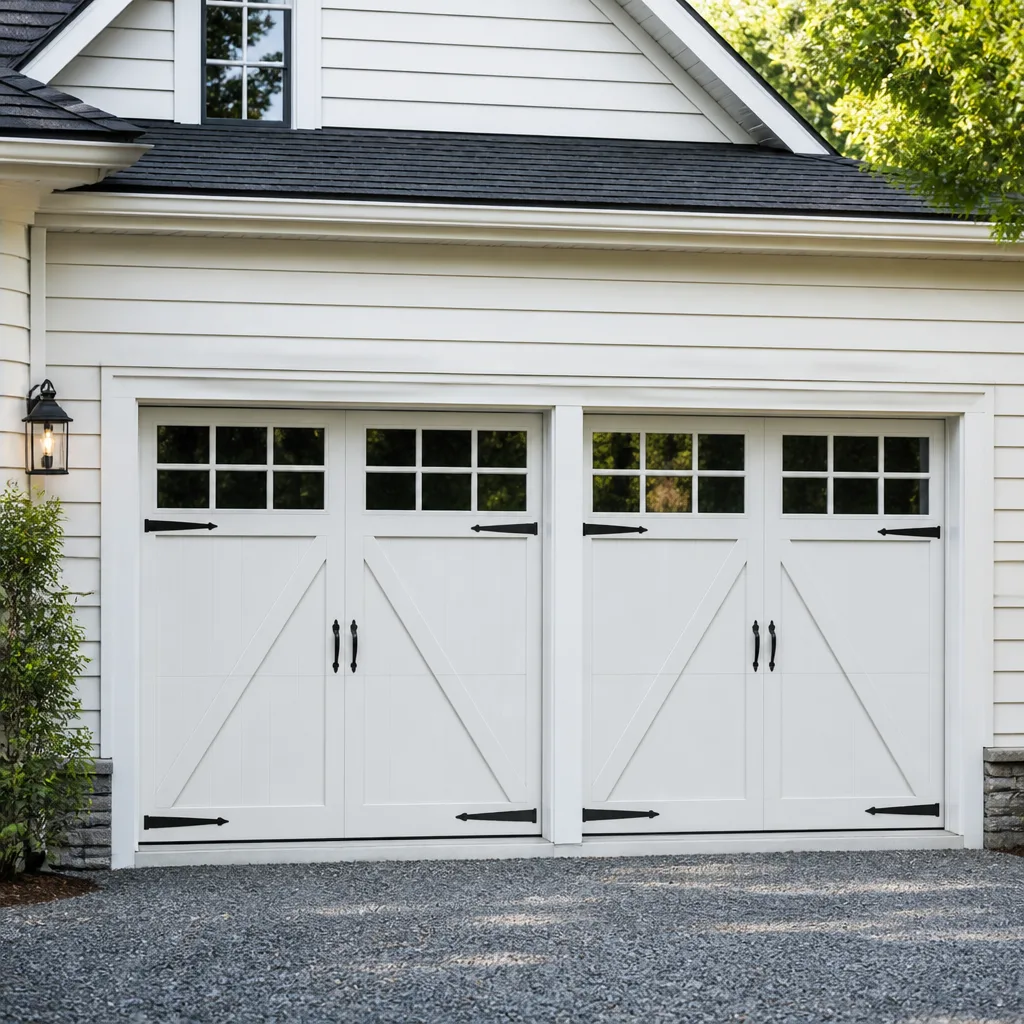 Carriage house
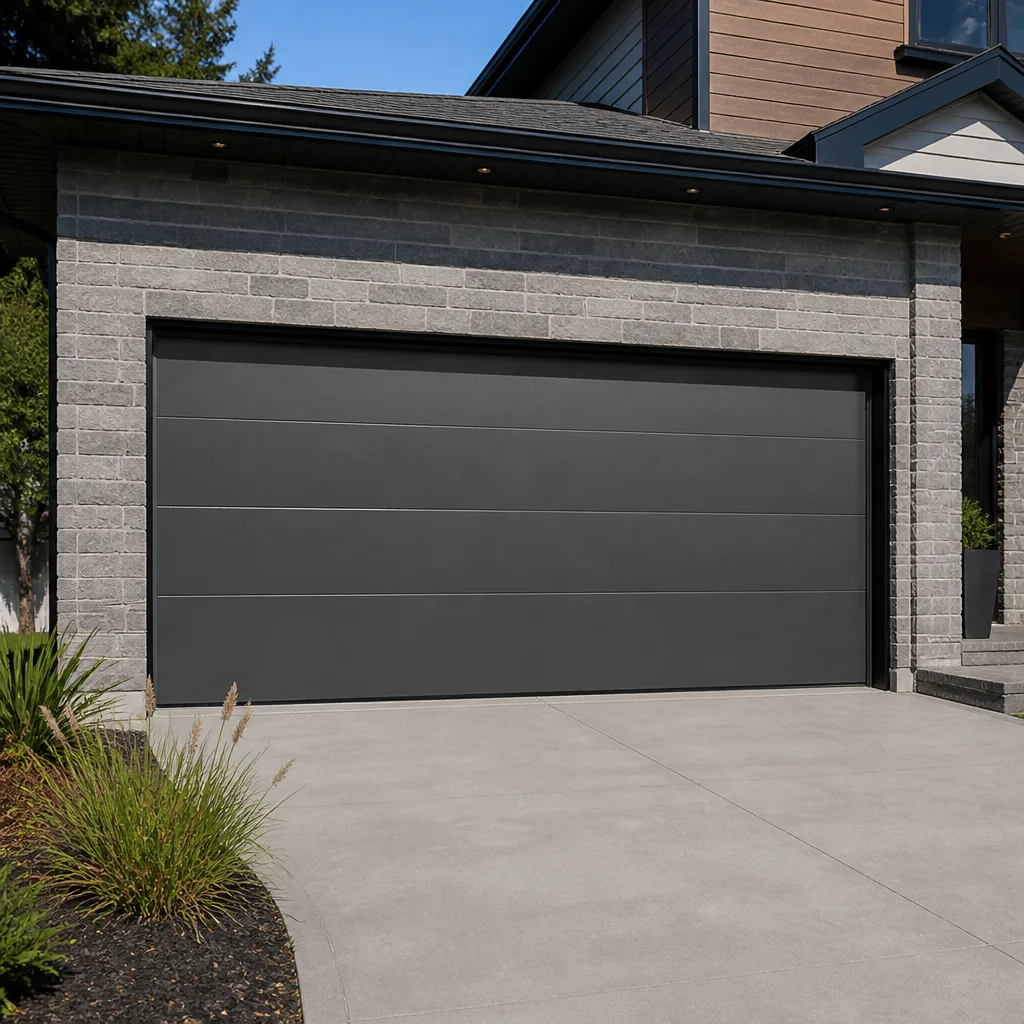 Modern flush
 Full-view glass
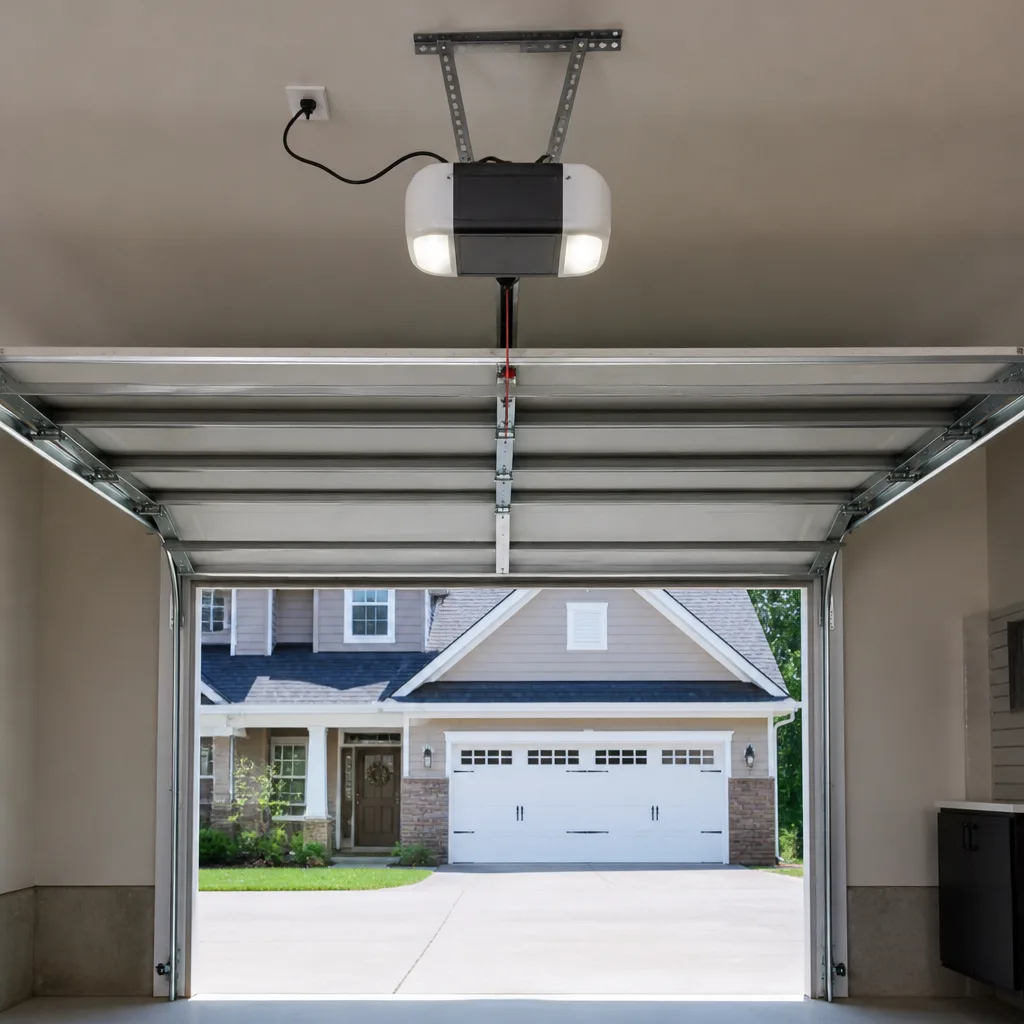 LiftMaster openers
 Chamberlain openers
Full 25-point door and opener safety check with every visit - springs, cables, rollers, tracks, and your LiftMaster or Chamberlain opener included
You get a price before we start. It does not change when the pro arrives.
Get your free estimateSeasonal Garage Door Care for Centennial: Year-Round Homeowner’s Guide
Most homeowners assume their garage door gives out in the dead of winter or the peak of summer. In our experience around Centennial, the opposite is true. More doors here fail in March and November than in January or July, and the reason isn’t extreme heat or deep cold. It’s rapid temperature cycling. Those shoulder months swing hard between warm afternoons and freezing nights, and every moving part of your door – springs, rollers, hinges, seals – expands and contracts together while you keep opening and closing it. That stress is cumulative and it’s predictable. This guide lays out what actually happens to a garage door through a Centennial year, and gives you a month-by-month care calendar built around our real climate instead of a generic four-season template.
Quick Answer
Garage door care in Centennial should center on two high-stress windows: late February into March, when you undo winter’s damage, and October into November, when you prepare hardware and weatherstripping for the cold. Between those windows, monthly visual checks and lubrication carry most of the load. The seasons aren’t equal here, and spreading your maintenance evenly across four of them is the most common way homeowners miss the failures that actually happen.
Styles & brands we work with
- Raised-panel steel
- Carriage house
- Modern flush
- Full-view glass
- LiftMaster openers
- Chamberlain openers
Table of Contents
- Why Centennial’s Shoulder Seasons Cause the Most Failures
- Spring Prep: Undoing Winter’s Damage
- Summer in Centennial: UV, Heat, and Pest Entry
- Fall: The Critical Prep Window
- Winter Operation at Centennial Elevation
- Your Month-by-Month Care Calendar
- How the Door and the Opener Fail Differently
- A Ten-Minute Monthly Walkthrough
Why Centennial’s Shoulder Seasons Cause the Most Failures
A garage door is a system under constant tension. Torsion springs hold the door’s weight, cables transfer that load, and rollers carry it up and down a track. None of those parts fail in isolation from temperature. They fail when temperature keeps changing the load on them. In a place where March can run warm by afternoon and below freezing by midnight, the metal in that system works harder in an ordinary week than it does during a stable stretch of deep winter.
What makes Centennial distinctive is how fast those swings arrive. A front that drops the evening temperature thirty degrees overnight doesn’t just make you reach for a jacket – it contracts the torsion spring, stiffens the grease in the opener’s gears, and hardens the rubber bottom seal against a cold slab. Do that a dozen times in a month and small issues surface: a door that hesitates at the top, a seal that lets light through, a hinge that starts to squeak. The failures we hear about most often trace back to one of those stress windows, not to a single dramatic event.
There’s a second factor that amplifies it: house orientation. Doors facing south and west take the sun’s full load through summer and shed heat quickly after sunset, which is exactly the cycling pattern that wears hardware fastest. North-facing doors stay colder and hold moisture longer, so seals and hinges there deteriorate on a different schedule. If you know which way your door faces, you already know which problems to watch for.
The practical takeaway is simple. Your maintenance calendar should concentrate effort where the climate puts the most stress – early spring and late fall – and thin out in the stable stretches. That’s the opposite of how most online guides are built, and it’s why this one looks different.
Spring Prep: Undoing Winter’s Damage
By the time March arrives in Centennial, your door has handled a full winter’s worth of contractions, salt-free snowmelt runoff, and freeze-thaw cycles at the base. Spring prep isn’t about starting fresh; it’s about repairing what the cold already did. Work through these checks in order – they move from the least intrusive to the ones that call for a professional.
- Check the bottom seal compression. Close the door and look at the rubber seal against the floor. It should compress evenly across the width with no light gaps at either end. A seal that’s flattened or cracked lets in cold air, moisture, and pests. Run your hand along the top of the closed door inside the garage – if you feel a steady draft, the seal needs replacement.
- Test the door balance by hand. Disconnect the opener (use the manual release cord) and lift the door halfway. It should hold there with light effort. If it drops on its own or springs up hard, the spring tension is off and a trained technician needs to look at it.
- Re-lubricate cold-stiffened hardware. Winter strips grease from rollers, hinges, and the torsion bar bearings. Use a garage-door-specific lubricant, not general-purpose WD-40, on hinges, rollers, and pivot points. Wipe away old grit first – lubing over dirt just makes grinding paste.
- Test the opener’s force settings. Close the door with an object like a roll of paper towels under it. It should reverse on contact. If it presses down, the force setting is too high and needs adjustment.
- Look at the spring. The torsion spring above the door should have an even coil gap, no visible rust streaks, and no gaps between coils when relaxed. Any of those means it’s a candidate for replacement before it fails.
The spring step is the one we’d never suggest you do yourself. Torsion springs are under enormous tension, and releasing that tension without the right winding bars and the right knowledge is how serious injuries happen. Check, don’t touch. If anything on that list looks off, a trained professional should be the one to repair it. For the mechanical troubleshooting that follows, our garage door repair service covers everything from a squeaky roller to a failed spring.
Summer in Centennial: UV, Heat, and Pest Entry
Summer is the season when the door gets worked the least and still suffers the most invisible damage. Centennial sits high enough in elevation that the sun’s UV intensity is genuinely stronger than at sea level, and a non-insulated steel door takes that load directly on every south- or west-facing panel. What homeowners notice first is fading or chalky paint on the sun-facing side. What they don’t notice until later is that UV degrades the finish, which lets moisture reach the steel underneath.
Heat exposure affects more than the finish. During a hot afternoon, the metal panels expand slightly, which can cause the seams between sections to look out of alignment even when nothing is actually broken. It’s a temporary condition. If the misalignment persists into the evening when the door cools, then something else is going on.
Summer is also when pest entry points become obvious. The gap where the bottom seal meets the slab is the primary one – a field mouse can slip through anything wider than a quarter inch. Check the seal for cracks after each summer month; UV makes rubber brittle, and a door facing the afternoon sun will degrade its seal faster than a shaded one. The side jambs and the top seal above the header get less attention but the same treatment.
Opener sensitivity needs a summer check too. The two safety sensors at the base of the track should be aligned and clean – dust kicked up from the driveway can scatter the beam. The opener’s motor runs warmer in the garage during summer afternoons, and if you notice a door that runs slower or sounds louder in July than it did in April, that’s the time to have it looked at. If your opener is a LiftMaster or Chamberlain unit, the diagnostics are worth a professional look rather than a guess, and our garage door opener repair service handles those systems specifically.
- Wash the door with a mild detergent and rinse, since dust buildup traps heat on the surface.
- Check the bottom seal monthly through July and August – UV cracking is fastest in this window.
- Clear the sensor lenses on both sides of the door track with a soft cloth.
- Look for insect or rodent sign along the interior bottom corners of the door opening.
- Test the opener’s auto-reverse as you would in any other month – summer is not a reason to skip the safety check.
Fall: The Critical Prep Window
October and November are when Centennial homeowners should invest the most time in their door. Cold is coming, the days are getting shorter, and every component that’s not ready will be tested by temperature drops that arrive faster than most places. Fall prep is the last chance to fix small issues before they become expensive ones.
Start with weatherstripping. The bottom seal, the top seal above the door opening, and the side jamb strips all need a look. Rubber that’s hardened or cracked over summer won’t seal against the first cold snap, and a door that leaks cold air into the garage drives up heating costs in the rooms above it. Replace any strip that’s stiff or shows cracks.
Next, have the torsion spring inspected – not replaced without cause, but inspected – before cold contracts the metal. A spring that’s already showing rust streaks or gaps between coils is much more likely to fail once temperatures drop below freezing. The same logic applies to the opener. If your unit has a battery backup (many modern LiftMaster and Chamberlain openers do), test it now, while days are still long enough to notice a problem and fix it with time to spare. Short daylight hours plus a dead battery plus a power outage equals a door you can’t open.
Fall is also the season to think about door weight and balance one more time. Cold makes springs less responsive, and a door that balanced fine in September can suddenly feel heavier in November. If lifting it by hand requires more effort than it did a month before, that’s a warning sign. Don’t ignore it.
Finally, schedule a full professional inspection during October or early November if you haven’t had one in the past year. A technician can look for the hairline cracks, worn bearings, and cable fraying that homeowners miss. If your plans include a new door before winter, our garage door repair service in Centennial team can advise whether repair or replacement is the better call for your door.
Winter Operation at Centennial Elevation
Once temperatures settle into their winter pattern, garage doors move slower. That’s normal, and it’s worth understanding the difference between “normal cold” and “something is wrong.”
At Centennial’s elevation, the air is thinner, but the effect on garage door operation comes mostly from cold rather than altitude. Grease thickens, rubber seals stiffen, and metal components that were loose in July become snug. A door that opens in twelve seconds in summer may open in fifteen in January. That’s not a problem. What matters is when the slowdown becomes pronounced – a door that hesitates at the top, jerks at the bottom, or takes twice as long as usual is telling you something is under more strain than it should be.
Cold also affects spring performance more than most homeowners realize. Torsion springs are heat-treated steel, and cold temperatures reduce their elasticity slightly. A spring that’s near the end of its life in summer can fail during the first really cold snap. That’s why the fall inspection matters – it’s your chance to catch a worn spring before it fails in January, when you’re less likely to want to deal with it.
Winter operation warnings worth knowing:
- Door runs slower than usual – normal in cold, as long as it’s smooth.
- Door jerks or hesitates at one point in travel – not normal; could be a roller, hinge, or track issue that cold has made worse.
- Loud clunk or bang at the top of travel – springs or opener forces; needs a look.
- Opener reverses mid-travel – sensor or force settings; check before assuming opener failure.
- Door won’t open at all – could be a failed spring, a broken cable, or a dead opener. Call for diagnostics rather than repeatedly trying to open it.
One more winter note: if you keep the garage unheated (as most Centennial homes do), condensation from warm daytime air hitting cold metal on the inside of the door is common. It won’t damage the door itself, but it can rust the hinges and roller tracks over time. A monthly wipe-down of the hinges with a light coat of lubricant is enough to prevent it.
Your Month-by-Month Care Calendar
Here’s a calendar built for Centennial’s actual climate – not a textbook four-season structure. You’ll see the heaviest work concentrated in the shoulder months, with a lighter touch through the stable stretches.
January
Monthly walkthrough only. Listen for new sounds, check that the opener reverses on a test object, and look for any significant change in door speed.
February (Late) – Spring Prep Starts
Begin the spring prep sequence: test balance by hand, check bottom seal compression, look at the spring. Any issue here should be addressed before March stress begins.
March – Critical Month
Re-lubricate hinges and rollers. Test opener force settings. Wipe down the door’s exterior. Inspect the spring under full tension (visually only – do not touch). March is the highest-risk month for failures, so if anything feels off, call for a professional look.
April
Wash the exterior. Check weatherstripping for wear. Clean the sensor lenses.
May
Monthly walkthrough. Re-check the bottom seal after the sun has been hitting the door for a few weeks.
June
Monthly walkthrough. Check the top seal above the door opening for sun damage.
July
Monthly walkthrough. Wipe sensor lenses and re-test the auto-reverse. Inspect the opener’s belt or chain for slack.
August
Look for pest entry points along the bottom seal. Check any battery backup on the opener while daylight is still long enough to notice.
September
Fall inspection begins. Replace any weatherstripping that’s stiffened. Check the torsion spring for early wear.
October – Critical Month
Full professional inspection recommended. Confirm the opener’s battery backup works. Test balance. Replace weatherstripping that’s near the end of its life.
November – Critical Month
Final cold-weather prep. Re-lubricate. Confirm no drafts come through the closed door. Schedule repair for any item flagged in October.
December
Monthly walkthrough. Watch for the slower cold-weather operation that’s normal versus the jerky operation that isn’t.
Notice the pattern: March, October, and November get the most attention, and the middle months are maintenance-level. That’s the calendar Centennial actually needs.
How the Door and the Opener Fail Differently
A garage door has two distinct failure systems, and seasonal care should reflect that. The door itself – panels, springs, cables, rollers, track – is mechanical. The opener is electrical and electronic. They age on different schedules, fail for different reasons, and need different seasonal checks.
Door Failures
Springs, cables, and rollers are the most seasonally affected components. Springs cycle with temperature, cables wear at the drums, and rollers pick up grit through summer. Bottom seals are the seal between your garage and the outside, and they degrade fastest in summer UV and winter cold. A door that’s structurally sound can still have a worn-out seal or a nearly finished spring – that’s what seasonal checks catch.
Opener Failures
Openers are more affected by heat, dust, and battery life than by cold. Summer heat can accelerate wear on the motor, dust on the sensor lenses causes false reversals, and battery backups are the piece most homeowners forget to test. Modern openers from brands like Craftsman and Raynor have diagnostic LEDs that will tell a trained technician what’s wrong in seconds; guessing at an opener failure usually means replacing parts that weren’t the problem. Sensor issues, remote pairing problems, and force setting adjustments are opener-specific skills, and that’s why we treat opener repair as a distinct service rather than an afterthought.
Understanding which system is failing saves time and money. If the door won’t open but the opener runs, the problem is in the door (spring, cable, or roller). If the door won’t open and the opener is silent, the problem is in the opener or its power supply. That single diagnostic split is worth knowing before you call anyone.
For installation questions, whether you’re replacing a decades-old door or upgrading to an insulated model, our Lockhart Garage Door Service team handles full installations as a separate service from repair, and we work on whatever brand is already on your home.
A Ten-Minute Monthly Walkthrough
Here’s a routine you can run in about ten minutes, once a month, to keep your garage door healthy between seasonal deep-checks. It’s not a substitute for the March and November inspections – it’s what keeps problems from escalating between them.
- Open and close the door and listen. Any new rattle, squeak, or clunk is worth noting. Smooth is normal; anything else is a question.
- Test the auto-reverse. Place a roll of paper towels under the closing door. It should reverse on contact. If it presses, stop and adjust the force setting or bring in a professional.
- Check the safety sensors. Wave your hand in front of each sensor at the base of the track; the opener should click and reverse.
- Look at the bottom seal. With the door closed, look for daylight through the bottom edge. Any light means compressed or cracked seal.
- Wipe down the sensor lenses. A soft cloth, both sides.
- Run your eye up the springs. No touching. Just look for rust streaks, uneven coil spacing, or anything that looks new since last month.
- Test the manual release. Pull the cord with the door closed; it should release smoothly. Reconnect and re-test the opener.
Two minutes of listening and eight minutes of checking is enough to catch most early problems. When something turns up, the earlier you call, the less likely a small repair becomes a spring replacement. If we’re ever the ones you call, we’ll bring the diagnostic skill for the specific brand and model on your door – Craftsman openers and Raynor doors are as familiar to us as LiftMaster or Chamberlain systems.
Common Mistakes to Avoid
- Spreading maintenance evenly across four seasons. Centennial’s climate makes March and November the real high-risk months. If you’re doing equal work every season, you’re underdoing the shoulder months and overdoing the stable ones.
- Waiting for a complete failure to call. A door that’s running slower or louder than it did three months ago is telling you something is wearing out. Waiting usually means a bigger repair and a longer wait for a technician.
- Using general-purpose lubricant on door hardware. WD-40 is a solvent, not a garage door lubricant. It displaces moisture but doesn’t stay on the parts that need protection. Use a product made for garage door hinges and rollers.
- Skipping the battery backup check before winter. Short days are when power outages seem to hit hardest. Test the opener’s battery backup in October and November, not in the middle of a cold snap.
- Trying to adjust the torsion spring yourself. A spring under tension carries the entire weight of the door. This is the single most dangerous part of the system, and adjusting it without proper tools and knowledge is a serious injury risk. Leave it to a trained professional.
- Assuming a slow door in winter is always normal. Slightly slower is fine. Jerky, hesitating, or reversing mid-travel is not, and it’s usually a sign of a real problem that cold made visible.
- Ignoring seal damage until spring. A cracked bottom seal lets in cold air, moisture, and pests all winter long. Fix it in fall, not after snow starts drifting in.
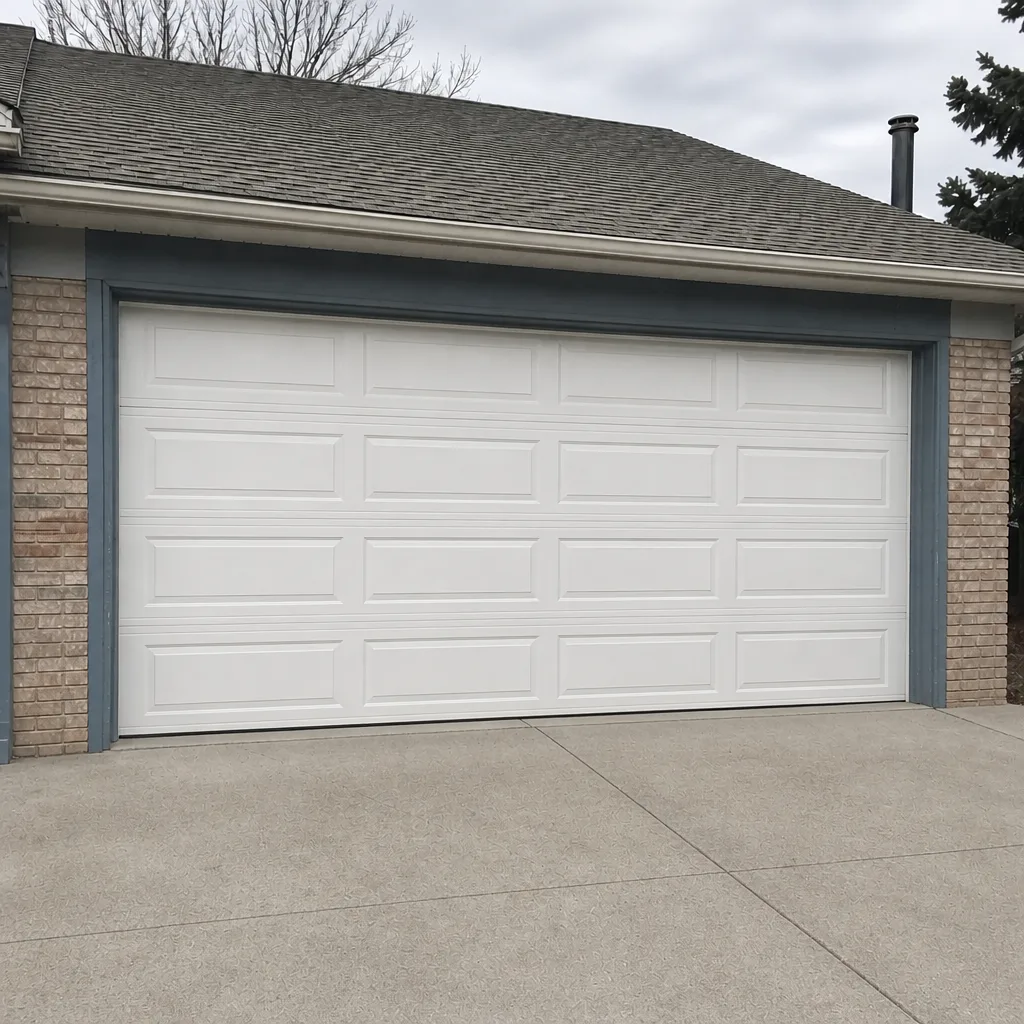
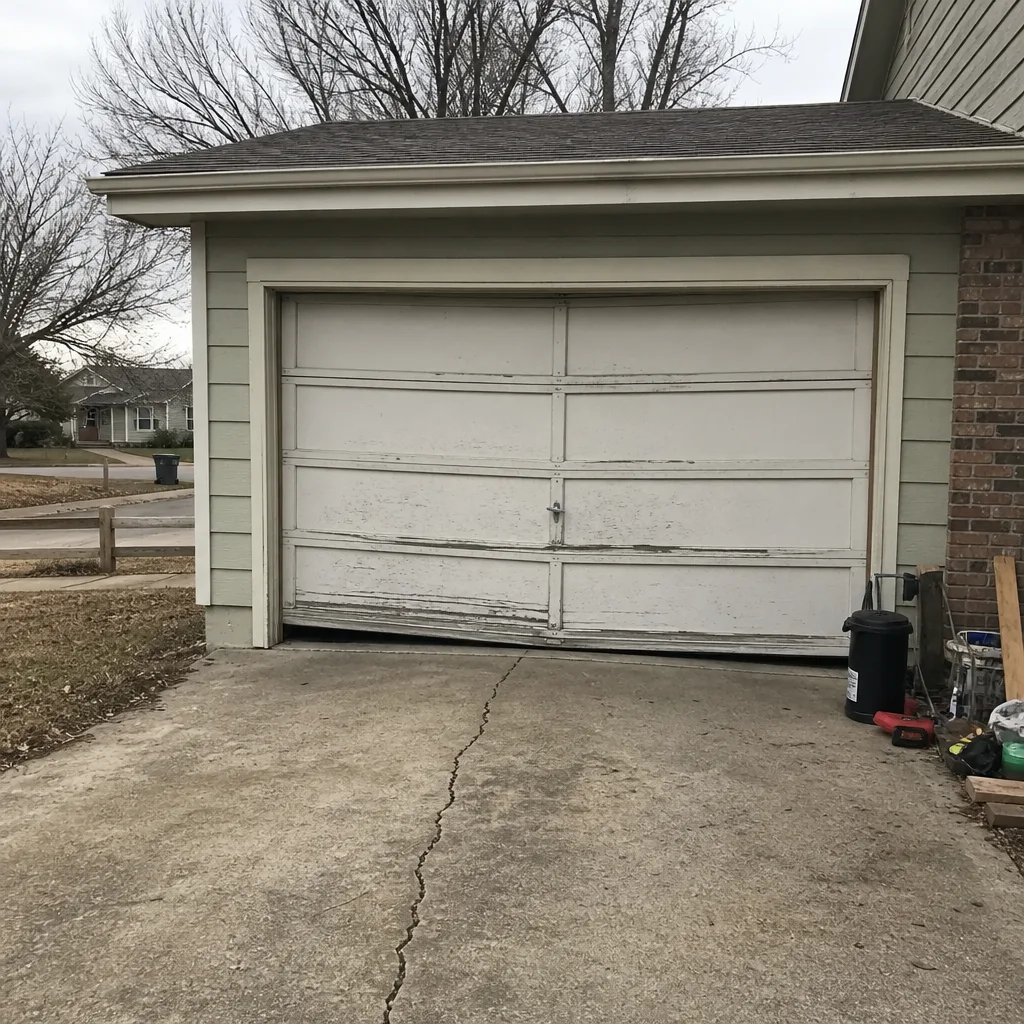
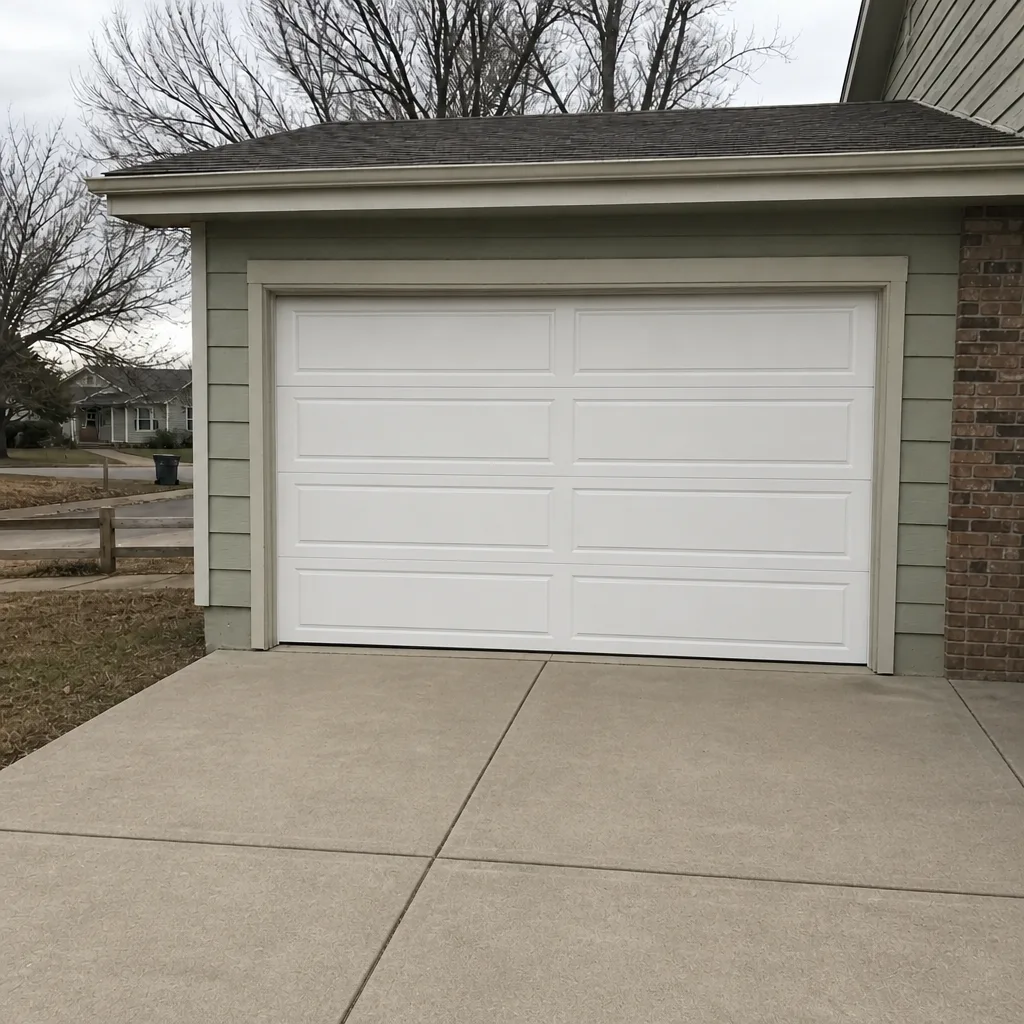
See the difference
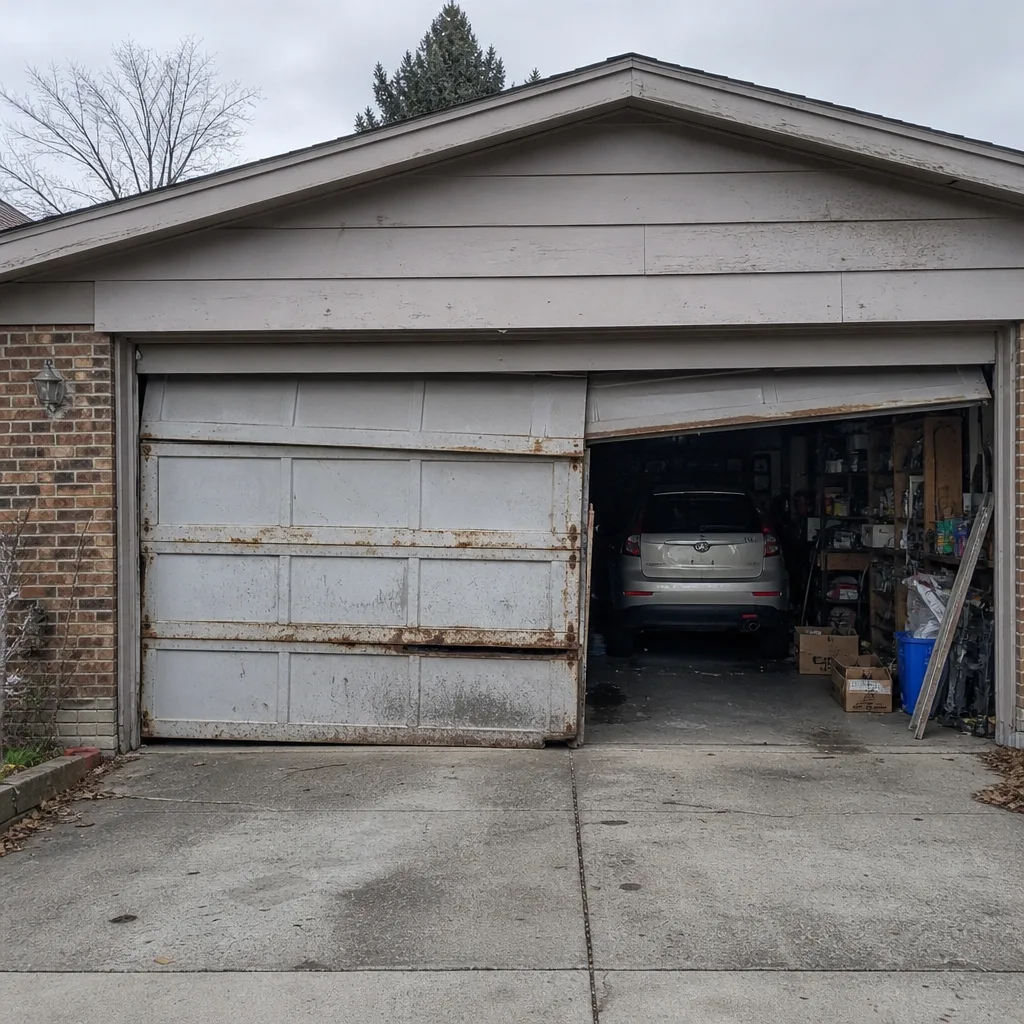 Before
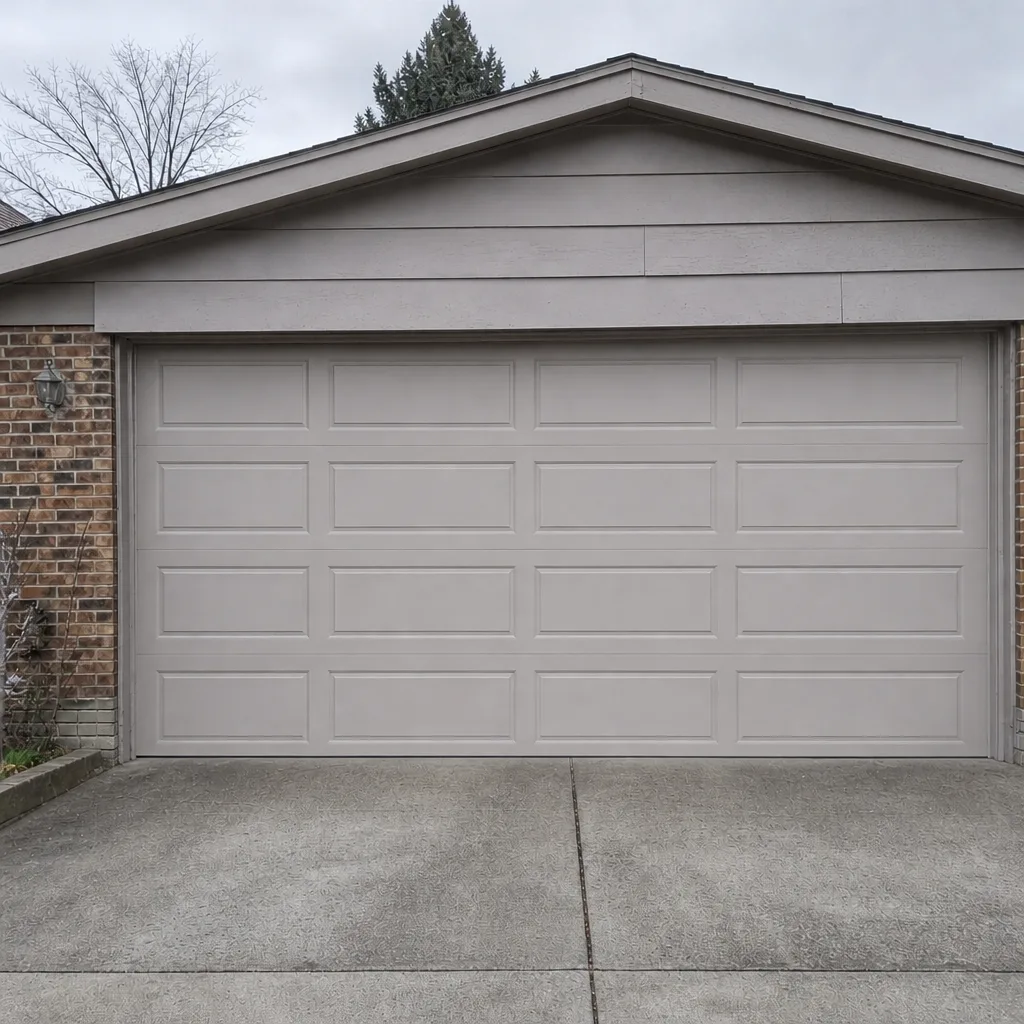 After
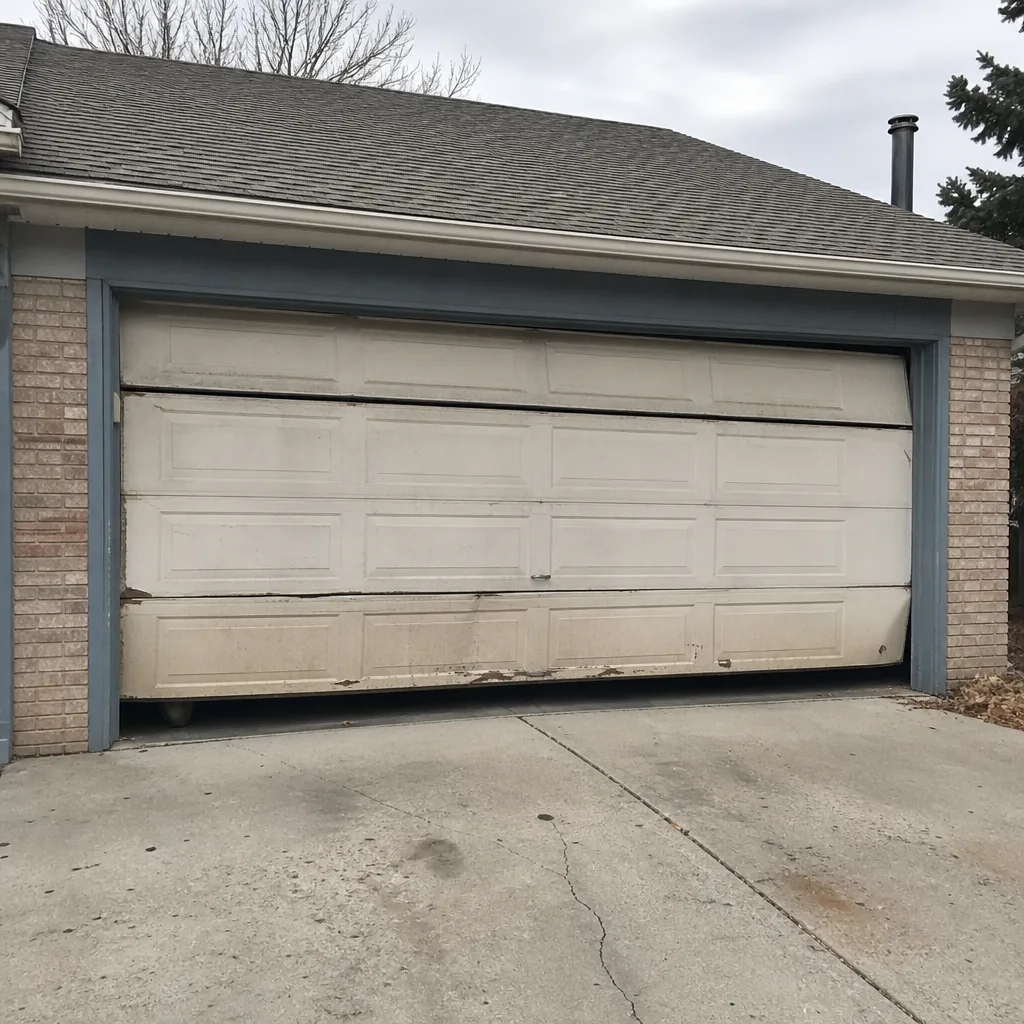 Before
 After
 Before
 After
When to Call a Professional
Most garage door care can be handled by a homeowner with a few basic checks. A few situations need a trained technician for safety and reliability: any time a torsion spring is cracked, gapped, or visibly worn; whenever the door won’t stay balanced when released halfway; if the opener reverses repeatedly at the same spot, or won’t reverse at all; when a cable looks frayed or off its drum; and any time the door feels heavier or harder to lift than it did a season ago. If you’re not sure what you’re looking at, that’s also a good reason to call. Lockhart Garage Door Service offers free estimates in Centennial – call (844) 834-3842. Our technicians have up to 9 years of experience across every major brand installed in homes here, and we can tell you within minutes whether what you’re seeing is seasonal noise or a repair that’s overdue.
Frequently Asked Questions
The single most important task is the fall inspection, done in October or early November. A thorough check of the torsion spring, weatherstripping, opener force settings, and battery backup before cold sets in is the highest-leverage maintenance you can do here. Spring prep in March is a close second, but fall prep prevents winter failures while spring prep catches winter damage. Call (844) 834-3842 for a free estimate if anything looks off.
Rapid temperature cycling in those shoulder months stresses every moving component at once. Days can run warm, nights freeze, and the metal in your door, springs, and opener gears works harder in a week than it does through a stable winter month. That cycling causes spring fatigue, seal compression issues, and opener sensitivity problems that wouldn’t surface under steady temperatures.
Twice a year is usually enough for a Centennial door, timed to the seasonal stress windows – once in March after winter, once in November before winter. If your door faces south or west, add a mid-summer wipe-down on the hinges to counter UV exposure. Use a garage-door-specific lubricant, not general-purpose sprays. For deep-service calls, (844) 834-3842 reaches us directly, and estimates are free.
Slightly slower is normal in cold weather. Grease thickens, rubber stiffens, and springs are less responsive. What’s not normal is jerky operation, hesitation at one specific point, or a door that suddenly reverses mid-travel. Those signal a component under more strain than it should be. Call (844) 834-3842 if you notice any of them – a free estimate will tell you what’s going on.
Seasonal maintenance is the check-and-adjust work – lubrication, seal inspection, balance testing, sensor cleaning, spring visual checks – that keeps everything running. A repair visit is when a specific component needs replacement or adjustment because it’s already failing. Both are useful, and both are handled by Lockhart Garage Door Service in Centennial.
You can’t safely do spring work yourself. Look at the spring and note its condition, but never touch it or try to adjust tension. Torsion springs carry the full weight of the door and are dangerous to work on without proper tools. Everything else in our March checklist – seal checks, lubrication, opener force testing – is fine for a homeowner to handle.
The Bottom Line
Centennial’s garage doors don’t wear evenly through the year. March and November carry the most stress, and a maintenance calendar that reflects that reality is far more useful than one that spreads effort across four equal seasons. Focus your heaviest work on spring and fall, keep up with monthly walkthroughs the rest of the year, and call a professional the moment anything looks wrong with a spring, cable, or balance test. The door and the opener are two distinct systems; understanding which one is failing saves time and money. Lockhart Garage Door Service works on every major brand and treats repair, opener repair, and installation as three separate skills. If you’re not sure where your door stands, call (844) 834-3842. We answer 24/7, with fast dispatch from 7am to 7pm, Sunday through Friday, and estimates are always free.
Written by the team at Lockhart Garage Door Service.