
Last updated November 15, 2026
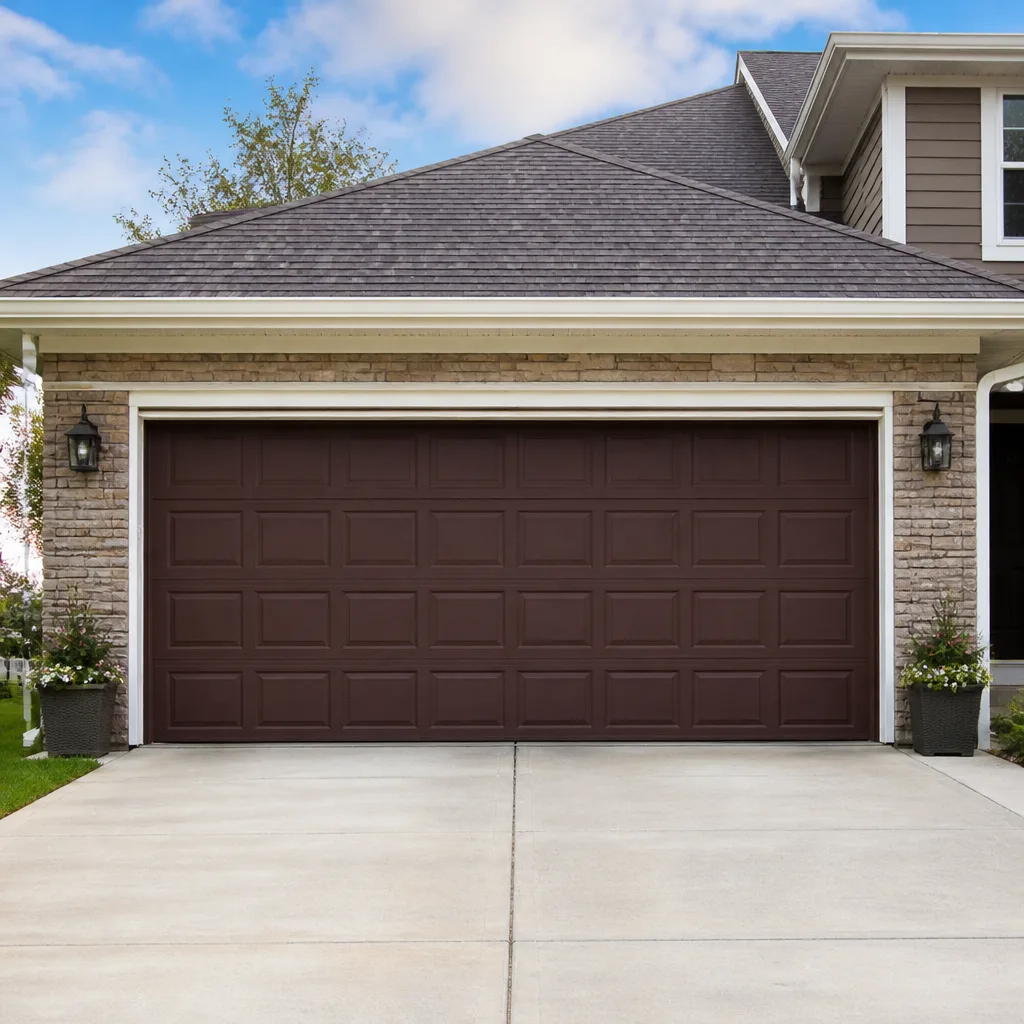 Raised-panel steel
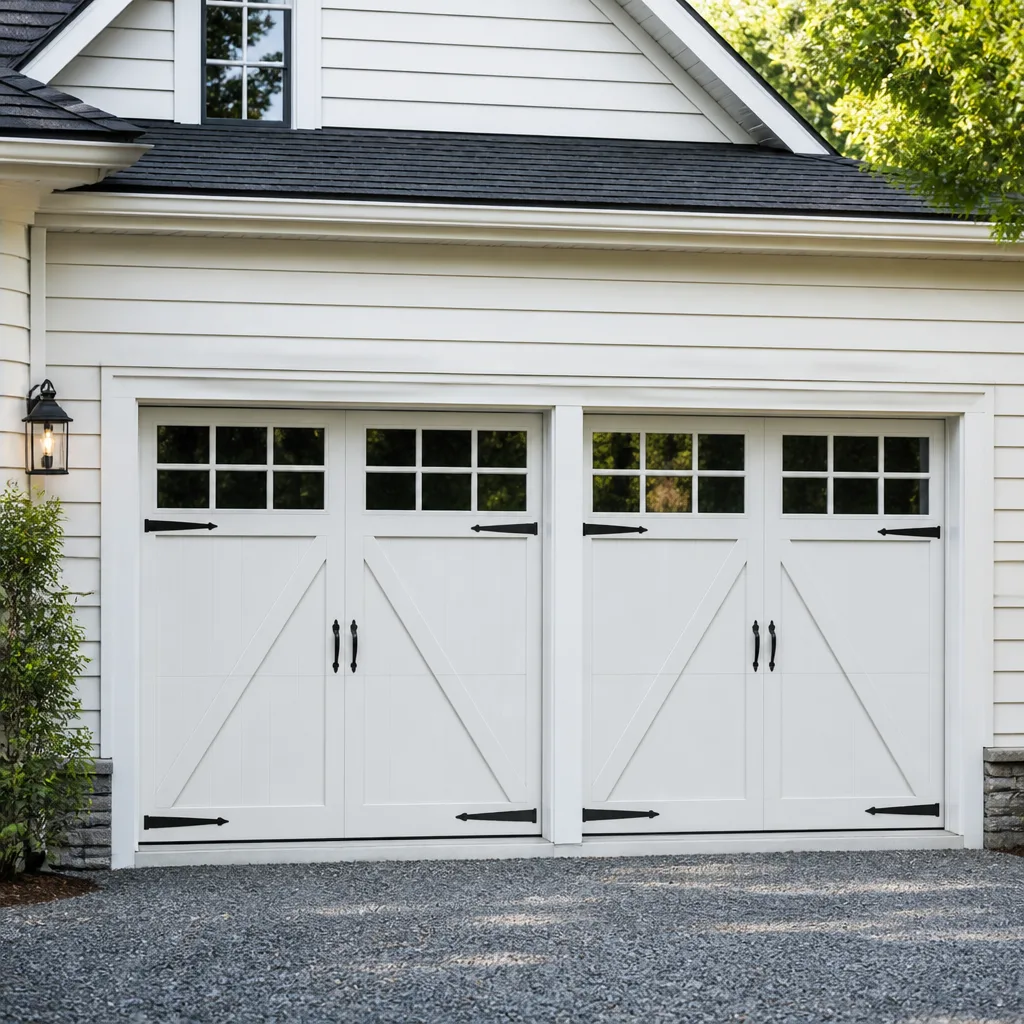 Carriage house
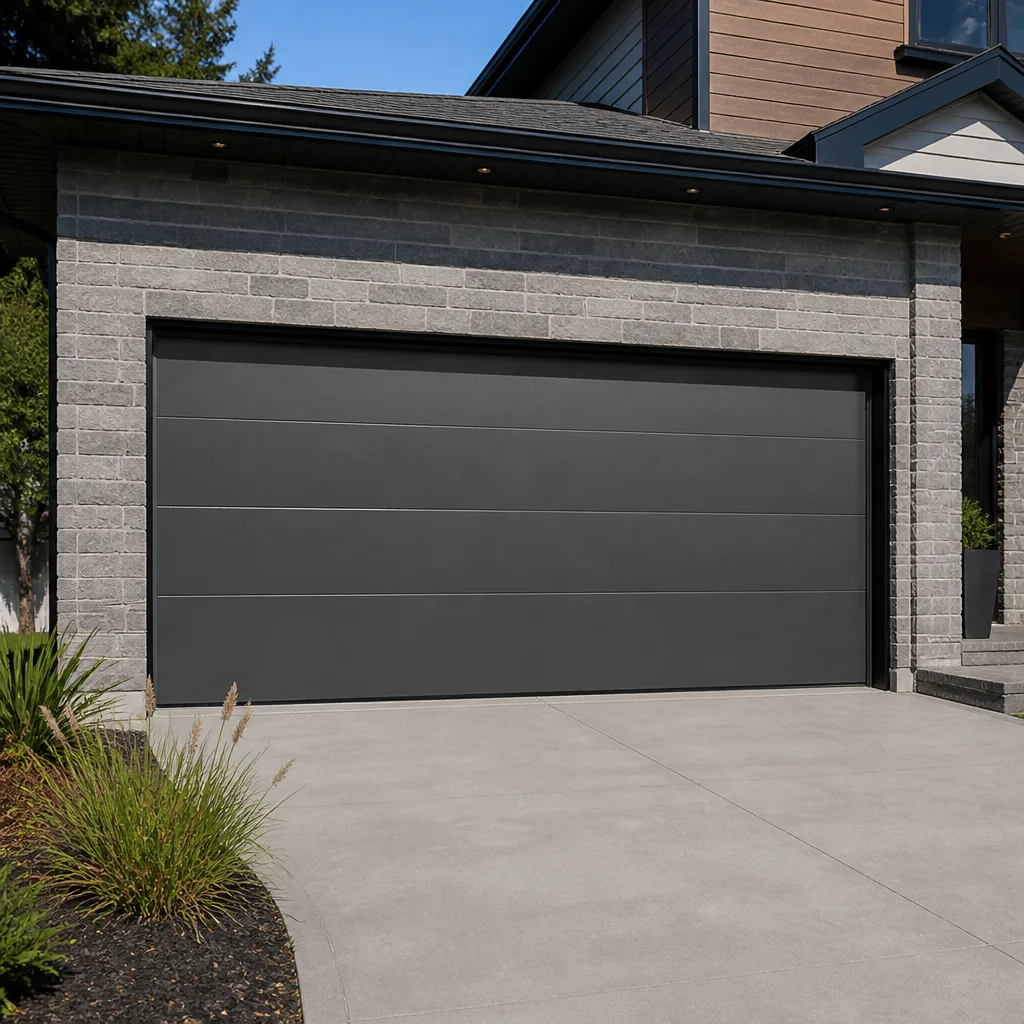 Modern flush
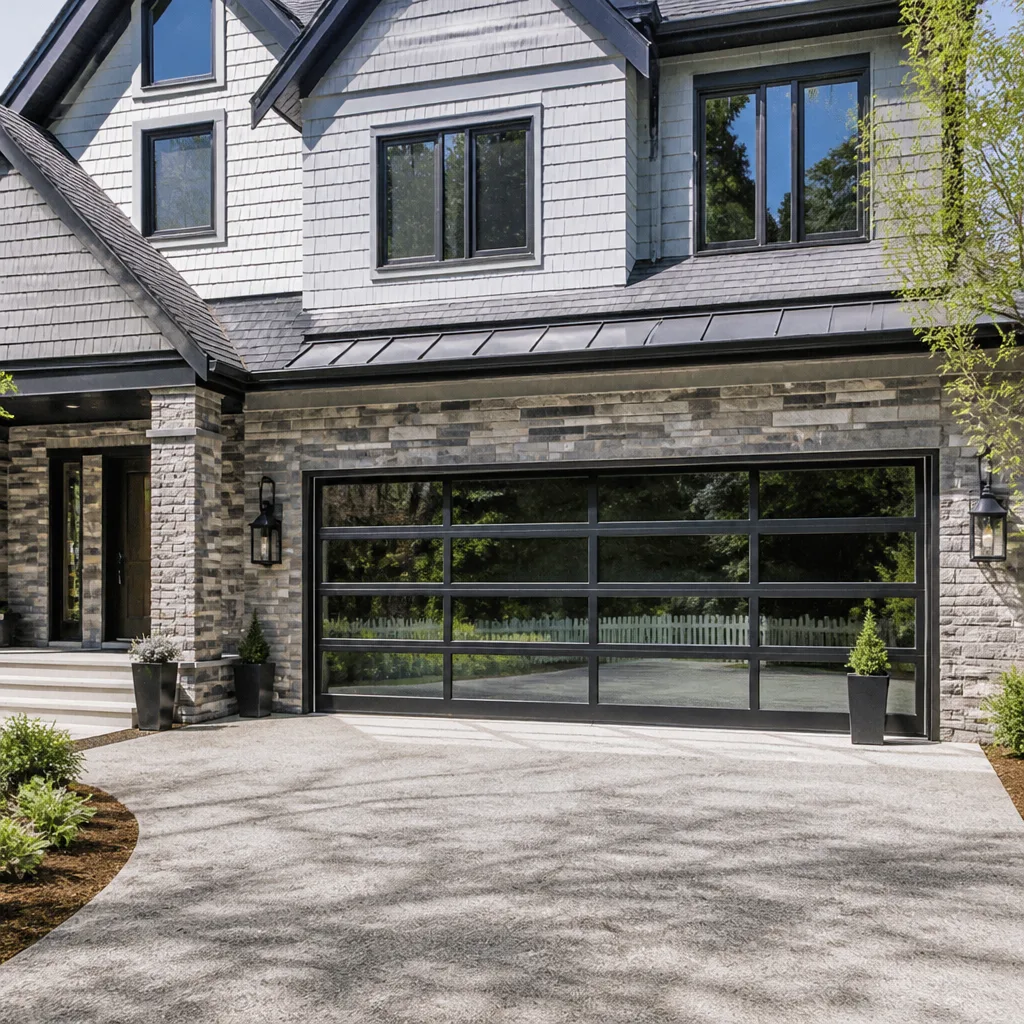 Full-view glass
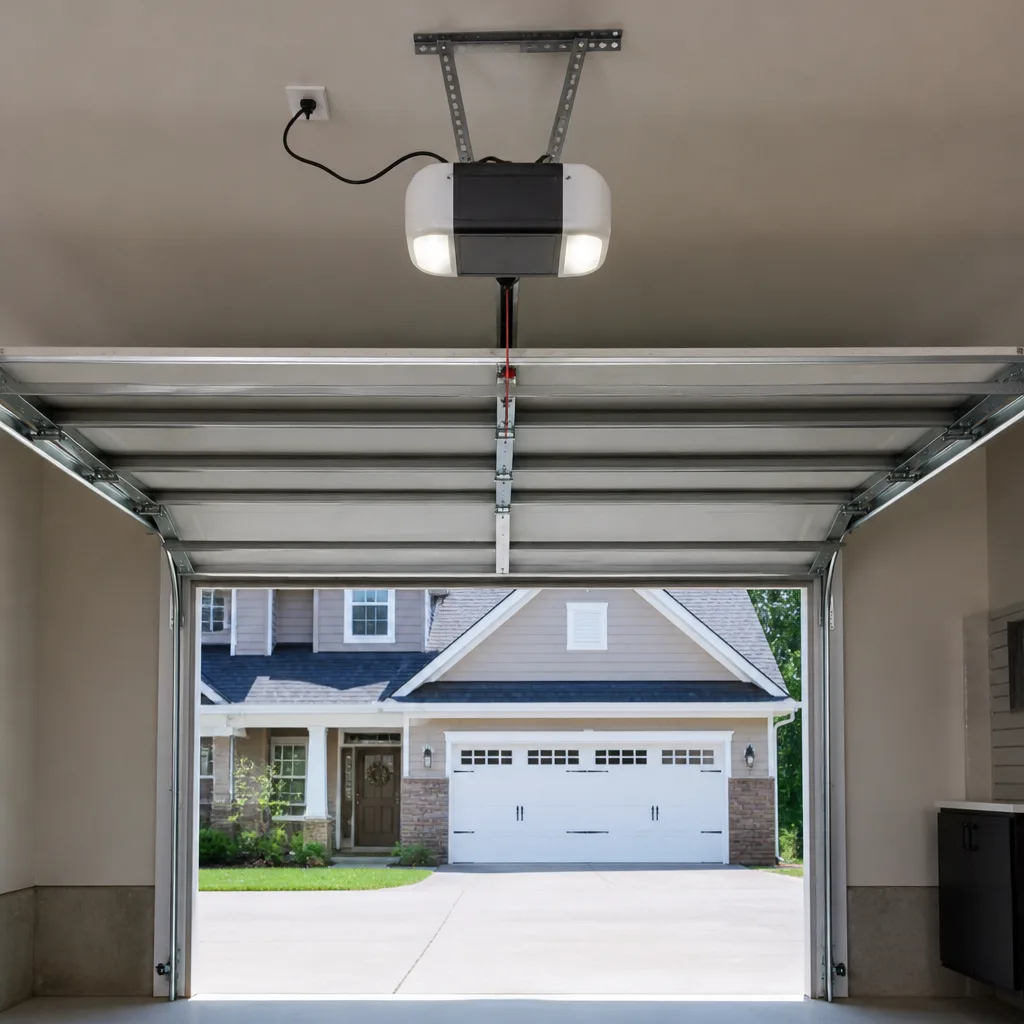 LiftMaster openers
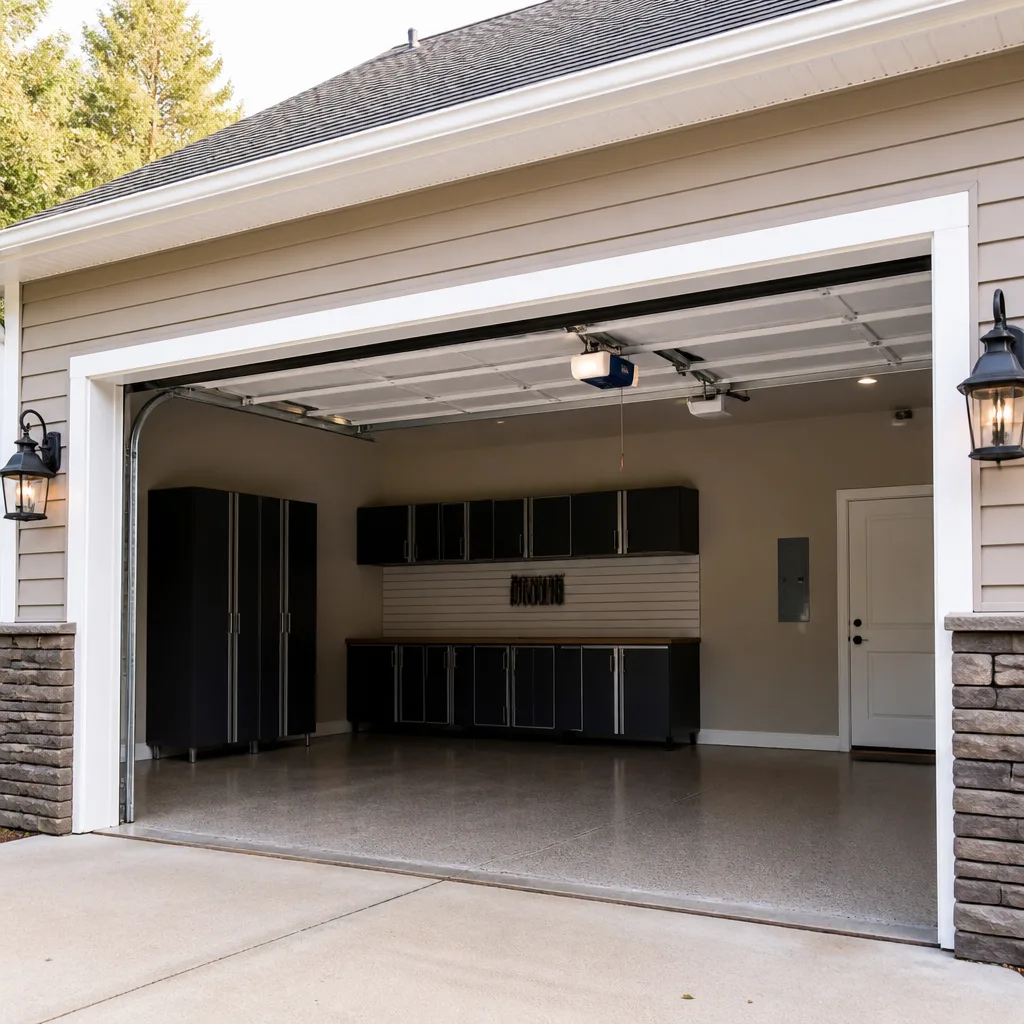 Chamberlain openers
Full 25-point door and opener safety check with every visit - springs, cables, rollers, tracks, and your LiftMaster or Chamberlain opener included
You get a price before we start. It does not change when the pro arrives.
Get your free estimateChoosing the Right Garage Door Brand: A Buyer’s Guide for Centennial
Here’s a truth the manufacturer brochures won’t tell you: the brand name on the box is the least useful thing to compare when you’re shopping for a garage door in Centennial. The most heavily advertised names aren’t automatically the ones that survive Colorado’s hail corridor or satisfy the insulation specs your HOA hands you in a welcome packet. Homeowners routinely confuse brand reputation with product suitability, and that mix-up costs real money – either in a door that dents on the second summer storm or one that fails the architectural review after you’ve already paid a deposit. This guide walks through how to read construction specs, what opener brands actually have parts and service depth in the Denver metro, what hail ratings mean, and which questions reveal whether a dealer is recommending what fits your home or just what’s sitting in their yard.
Quick Answer
The best garage door brand in Centennial is the one whose specific product line matches your home’s construction, your HOA’s design standards, and Colorado’s hail exposure – not the one with the biggest ad budget. In practice, that usually means a steel door from Clopay, Amarr, or Wayne Dalton in a heavier gauge with impact-rated panels and polyurethane insulation, paired with an opener from LiftMaster, Chamberlain, or Genie for parts availability across the Denver metro. Compare product lines within a brand, not brand names against each other.
Styles & brands we work with
- Raised-panel steel
- Carriage house
- Modern flush
- Full-view glass
- LiftMaster openers
- Chamberlain openers
Table of Contents
- Why Brand Name Matters Less Than Product Line
- How to Evaluate Door Construction: The Numbers That Matter
- Hail Resistance in Colorado’s Hail Corridor: What Impact Ratings Actually Give You
- Which Opener Brands Have the Deepest Parts and Service Network in the Denver Metro
- Centennial HOA Standards and How They Shape Your Choice
- Brand-Agnostic Questions to Ask Any Dealer
- How Multi-Brand Fluency Changes the Selection Conversation
- Colorado Climate, Insulation, and Long-Term Cost of Ownership
Why Brand Name Matters Less Than Product Line
Every major residential door manufacturer builds several tiers under one logo. Clopay alone sells entry-level steel doors and premium insulated carriage-house models under the same name. Amarr does the same. Wayne Dalton builds both builder-grade and higher-end lines. So when a neighbor says “we went with Clopay and love it,” that tells you almost nothing about whether the door they bought is the door you should buy. The tier matters more than the brand, and the tier is where the real differences live: steel gauge, insulation density, joint design, hardware quality, and warranty length.
This is the first place Centennial homeowners get steered wrong. A dealer who carries one line of one brand will naturally present that line as the sensible middle ground. And to be fair, sometimes it is. But the recommendation is shaped by inventory, not by your house. When we walk a Centennial driveway, we look at the structure first: the opening dimensions, the header condition, the ceiling height in the garage, whether the door faces west into the afternoon sun, and whether the HOA has recorded design standards that limit panel styles and colors. Those conditions, not the logo on the brochure, decide which product line belongs on the house.
Here’s the practical test. Ask any dealer to show you two or three product lines from the same brand side by side, with the spec sheets. If they can’t, you’re not comparing brands – you’re being handed one option and told it’s the right one. If they can, you can make a real decision. In our experience, once homeowners see the spec sheets lined up, the brand question fades and the construction questions take over.
How to Evaluate Door Construction: The Numbers That Matter
Door construction is where the money goes and where the longevity lives. Ignore the marketing language and look at four things: steel gauge, insulation type and R-value, joint design, and hardware grade. Those four factors, in roughly that order, determine how a door performs through a Colorado Front Range decade.
Steel Gauge
Steel gauge is measured in numbers, and lower is thicker. A 24-gauge steel door is the builder-grade standard and will flex under impact and over time. A 25-gauge door is thinner still, typically found in the most economical lines. A 27- or 28-gauge face on a premium door is meaningfully heavier and resists denting far better. The difference isn’t cosmetic – a heavier face panel absorbs hail energy that would crease a lighter panel. Ask any dealer to state the gauge on the face and back of the door, in writing, before you sign anything.
Insulation Type and R-Value
Three insulation types show up in residential doors: polystyrene (the cheapest, an open-cell foam board), polyurethane (denser, better bonded, higher R-value per inch), and injected or foamed-in-place polyurethane in premium lines. A garage door with no insulation is essentially a heat exchanger attached to your house. For a Centennial garage that shares a wall or ceiling with living space, or a garage used as a workshop or gym, an insulated door is worth the upcharge. For a detached or unconditioned garage, insulation is a comfort and noise choice more than an energy one.
Joint Design
Panel joints are where water, grit, and cold air get in. Sectional doors join panels with either a tongue-and-groove design or a simpler overlap. Tongue-and-groove joints, especially with a vinyl or rubber insert, seal tighter and are stiffer through the whole door. On a hail-prone door, the joint design also determines how the panels distribute impact force – a stiffer door spreads the load instead of letting one panel take the hit.
Hardware Grade
Hinges, rollers, and track are the moving parts and the first to wear out. Nylon rollers outlast steel rollers significantly and run quieter. Heavy-gauge hinges and reinforced struts on wider doors prevent sag over time. Ask what hardware ships with the door, and whether the dealer upgrades it at install. This is a small line item that pays back over the door’s life.
Hail Resistance in Colorado’s Hail Corridor: What Impact Ratings Actually Give You
Colorado’s Front Range sits in one of the country’s most active hail corridors, and Centennial sits right in the middle of it. Hail here can arrive in minutes with stones large enough to leave dents in a car hood. A standard 24-gauge steel garage door will show that same hail as a pattern of dents that never come out. That’s the reality most door marketing doesn’t address, and it’s the single biggest reason a Centennial homeowner should care about impact-rated construction.
Impact-resistant doors are built differently, and the differences are specific:
- Heavier face steel – typically a step or two up in gauge from the standard line, which absorbs more energy before denting.
- Reinforced or laminated panels – some impact lines bond or laminate the face to a backing layer that spreads impact force across the panel.
- Impact-rated glazing – if the door has windows, they should be impact-rated polycarbonate or laminated glass, not standard annealed glass.
- Wind-load ratings – many impact-rated doors also carry a wind-load rating, which matters for wide doors in exposed subdivisions.
What impact ratings do not give you is a no-dent guarantee. A large enough hailstone can still damage any door. The rating is about probability and severity, not immunity. A homeowner with an impact-rated door is simply far less likely to be filing a claim after a summer storm. Ask the dealer for the specific impact rating on the door they’re proposing, in writing, and ask whether the rating applies to the whole door or just the face panel. That second question is the one that separates a real impact door from a marketing label.
Which Opener Brands Have the Deepest Parts and Service Network in the Denver Metro
The door is the visible half of the system. The opener is the half that fails first, and the brand you choose shapes what a repair looks like five years from now. Two things matter: how easy it is to get parts, and how many technicians in the area have real diagnostic experience with that unit. In the Denver metro, LiftMaster, Chamberlain, and Genie have the deepest footprint. That’s not a knock on other brands – it’s a practical observation about how quickly a repair can be finished when the part is on a shelf within driving distance.
Opener brands sit in tiers too, and the tier matters as much as the name. LiftMaster and Chamberlain share a parent company and a lot of internals, which means a technician who knows one knows the other. Genie has its own ecosystem but a similarly deep parts chain. A premium opener with a belt drive and a battery backup will run quieter and keep working through a power outage; a builder-grade chain-drive unit is louder and simpler. Neither is wrong – they serve different homes.
What actually drives long-term cost of ownership is diagnostic speed. When an opener acts up, the failure is usually one of a handful of things: a stripped gear, a failed logic board, a worn drive belt or chain, a misaligned safety sensor, or a remote that’s lost its programming. A technician who has worked the brand many times narrows that list quickly. A technician who hasn’t will start swapping parts. If your opener is acting up now, our garage door opener repair team works on all the major brands and diagnoses before replacing.
Centennial HOA Standards and How They Shape Your Choice
Centennial has a heavily HOA-governed housing stock, and that changes the door selection conversation in ways that don’t apply in most of the country. Many HOAs in the city and the surrounding subdivisions specify design standards: panel styles, color palettes, window configurations, and sometimes material restrictions. A door you love on a showroom wall can be rejected at architectural review, and if you’ve already ordered it, you’re stuck with a change order and a delay.
The sequence that avoids that headache is straightforward:
- Get the HOA design standards in writing before you shop. Ask for the recorded architectural guidelines, not a neighbor’s recollection.
- Submit the specific product line and color for pre-approval. A brand-level approval isn’t enough – the review board needs the model and finish.
- Confirm the proposed door meets the standard before you place the order. Get the approval in writing and keep it.
- Schedule the install only after approval is confirmed.
This is also where brand breadth helps. When a homeowner’s HOA requires a particular carriage-house style or a specific color family, the dealer who carries several brands has a much better chance of finding a compliant option than the dealer locked into one line. If you’re planning a replacement, our garage door repair team can tell you whether your existing door is worth repairing or whether the HOA-compliant path is a new install, and installation is a separate scheduled job with a free measure and a written price.
Brand-Agnostic Questions to Ask Any Dealer
The fastest way to find out whether a dealer is solving your problem or selling their inventory is to ask questions that don’t mention a brand. These are the ones we’d want a Centennial homeowner to ask us, and any dealer worth the deposit will answer them without flinching.
- “What steel gauge is the face and back of the door you’re proposing?” If they can’t answer in numbers, they don’t know the product well enough to stand behind it.
- “What’s the R-value and insulation type, and is the whole door insulated or just the face?” Polystyrene vs. polyurethane matters, and partial insulation is a common corner-cut.
- “Does this door carry an impact rating, and does the rating cover the whole door?” A face-only rating is not the same as a door rating.
- “Can you show me two or three product lines side by side, with spec sheets?” A dealer with one option isn’t advising you – they’re stocking you.
- “What hardware ships with the door, and do you upgrade it at install?” Nylon rollers and heavy-gauge hinges are small line items with outsized life-of-door impact.
- “How does this door meet my HOA’s recorded standards?” If they don’t ask to see the guidelines, they’ve done this before and skipped a step.
- “What’s the written estimate, and what’s not included?” The final price is set by the written estimate, so get it before any work starts.
- “Do you service the opener brand I already have, or only the brands you sell?” A dealer who only services what they sell will steer the whole conversation toward a new opener.
Those eight questions cost nothing and reveal almost everything. In our experience, the answers separate the specialists from the generalists fast.
How Multi-Brand Fluency Changes the Selection Conversation
We work on your brand, not a preferred product line. That’s the whole reason we keep fluency across eight of the most widely installed names in residential construction: LiftMaster, Chamberlain, Genie, Clopay, Amarr, Wayne Dalton, Craftsman, and Raynor. Those names span the tiers from builder-grade entry (Craftsman and the builder lines of Wayne Dalton) to premium insulated (Clopay and Amarr higher lines), and they cover both the door and the opener sides of the system. Knowing all of them means the recommendation a Centennial homeowner gets is shaped by the site conditions, the HOA standards, and the hail exposure – not by what happens to be in stock.
It also changes what a repair looks like. When we walk into a Centennial garage and see a Craftsman opener on a Genie track under an Amarr door, we’re not guessing at the compatibility or the parts chain. We recognize the hardware, know the failure patterns, and can usually tell within minutes whether the fix is a repair or a replacement. That’s a different starting point from a generalist who has to look everything up.
Garage doors are all we do. Repair, opener repair, and installation are three defined services under one company, which means a homeowner doesn’t need separate vendors for a broken spring, a finicky opener, and a full replacement. And when the work is done, the accountability is right here in Centennial. If you want to understand the full picture of what we handle, take a look at Lockhart Garage Door Service.
Colorado Climate, Insulation, and Long-Term Cost of Ownership
Colorado’s climate puts a specific set of stresses on a garage door. Freeze-thaw cycles work on the seals and the panel joints. Summer sun on a west-facing door bakes the finish and warms the garage to oven temperatures. Hail arrives in the warm months. Winter cold makes an uninsulated door a constant heat leak if the garage shares a wall with the house. None of this is exotic, but each factor pushes the door spec in a specific direction, and ignoring them turns a ten-year door into a five-year door.
Here’s how the climate maps to spec choices:
- Freeze-thaw: drives the need for quality bottom seals, weatherstripping, and tongue-and-groove joints. Cheap seals crack and let in grit, which wears the rollers and tracks.
- Summer sun: pushes you toward factory-finish steel with a baked-on coating rather than a field-painted door, and toward insulated panels if the door faces west.
- Hail: pushes you toward heavier gauge and impact-rated panels, as covered above.
- Winter cold: pushes you toward polyurethane insulation and a well-sealed perimeter if the garage is conditioned or used year-round.
The long-term cost of ownership follows from these choices. A heavier, insulated, impact-rated door from a well-supported brand tier costs more upfront and less over a decade – fewer dents, fewer seal replacements, fewer opener strains from a door that’s fighting the weather. A builder-grade door costs less today and more in parts and labor across its life. Neither choice is wrong; the mistake is paying premium-brand money for builder-grade construction because the logo convinced you it was premium.
Common Mistakes to Avoid
- Comparing brand names instead of product lines. Clopay, Amarr, and Wayne Dalton all build several tiers under one logo. Compare the spec sheets, not the badges.
- Skipping HOA pre-approval. Many Centennial HOAs specify panel styles, colors, and materials. Ordering before approval can leave you with a non-compliant door and a change order.
- Ignoring steel gauge. A 24-gauge door and a 27-gauge door look similar on a showroom wall and behave very differently after a hail season in Centennial.
- Treating impact ratings as a no-dent guarantee. They reduce the probability and severity of damage; they don’t eliminate it. Ask for the rating on the whole door, not just the face.
- Buying an opener brand with thin parts support in the metro. A premium opener with poor local parts availability can cost more to keep running than a mainstream brand with a deep parts chain.
- Accepting a verbal price. The written estimate sets the final price. Get it in writing before any work starts, and confirm what’s included.
- Letting a single-line dealer frame the whole decision. If you’re only shown one product, you’re not comparing – you’re being stocked.
See the difference
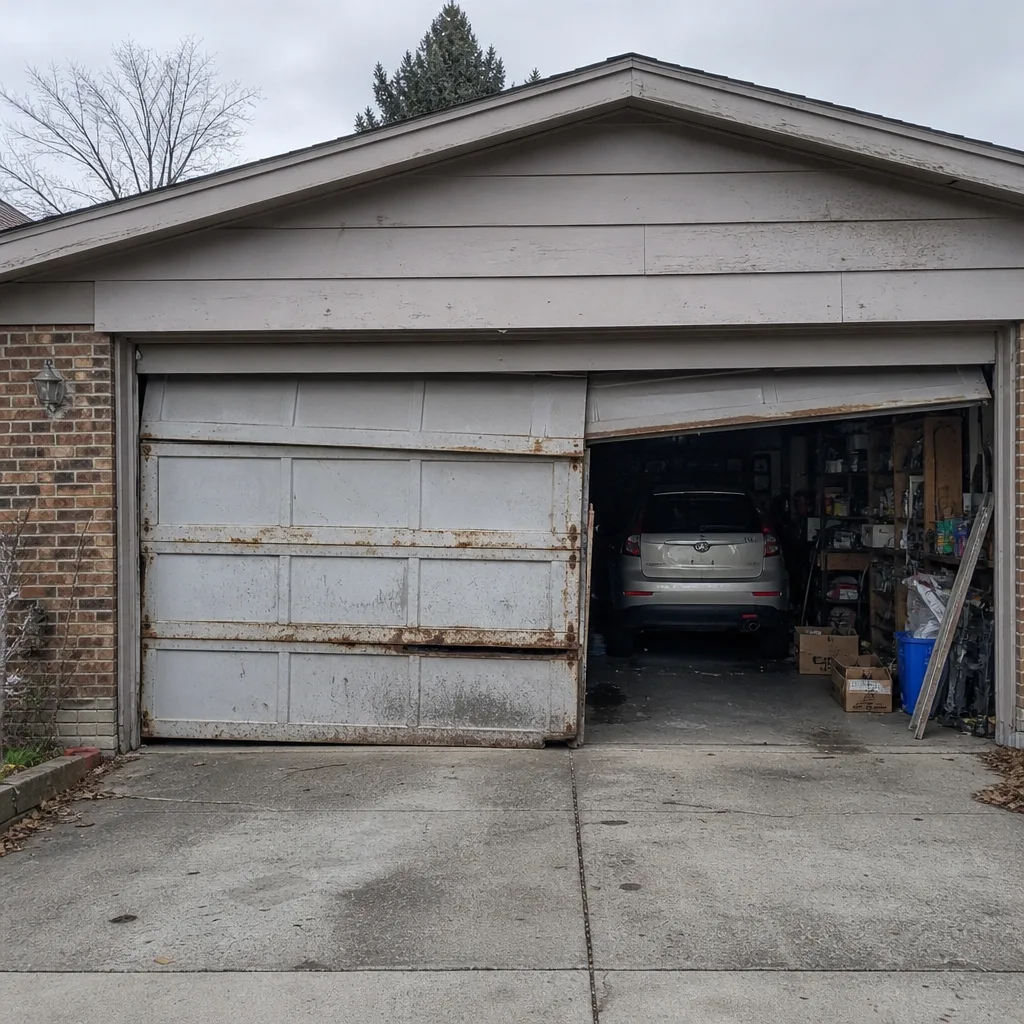 Before
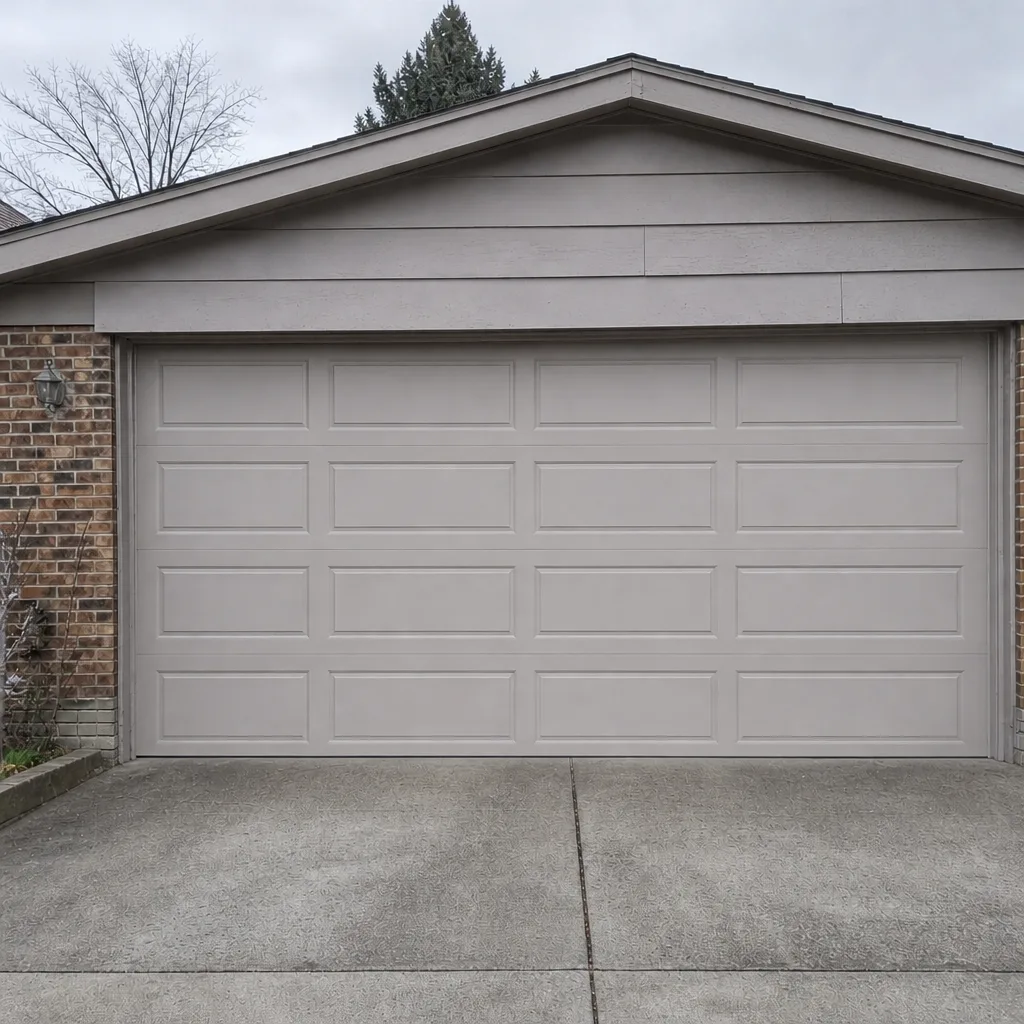 After
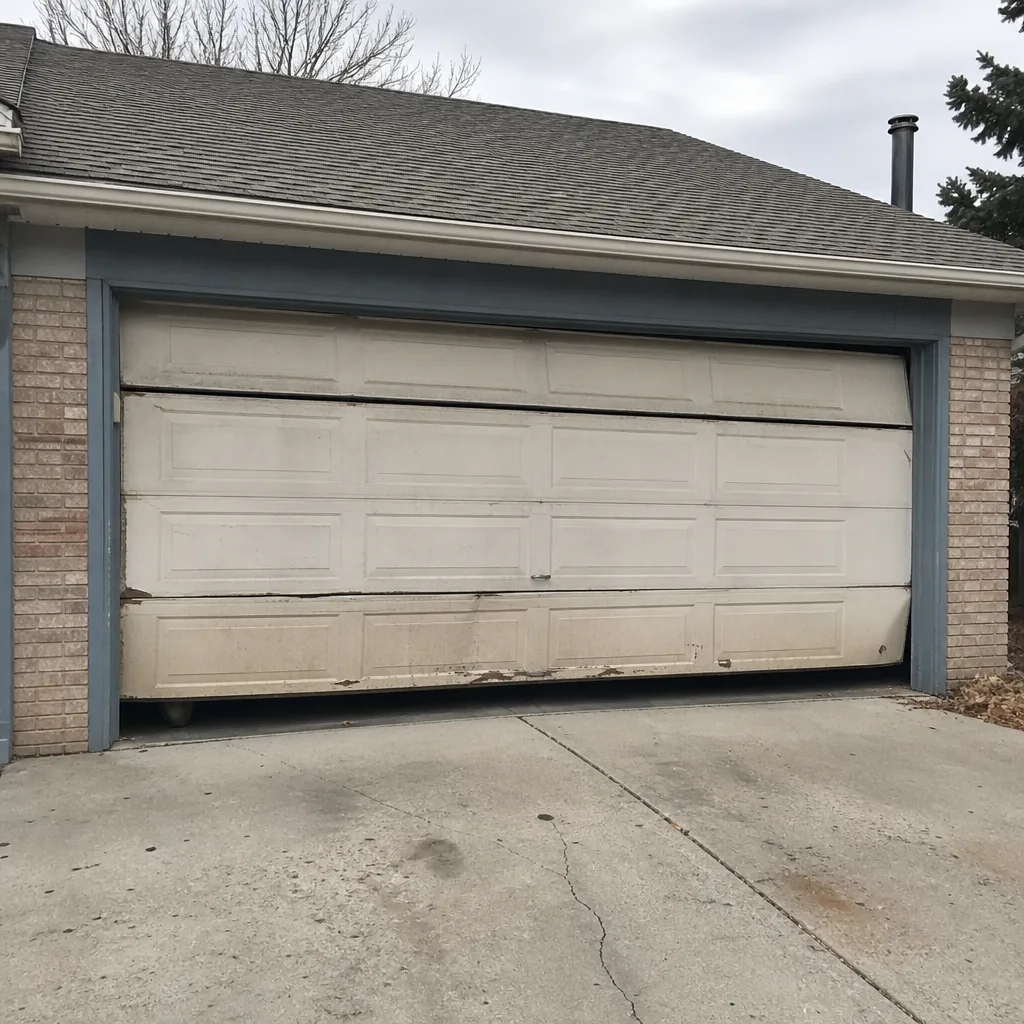 Before
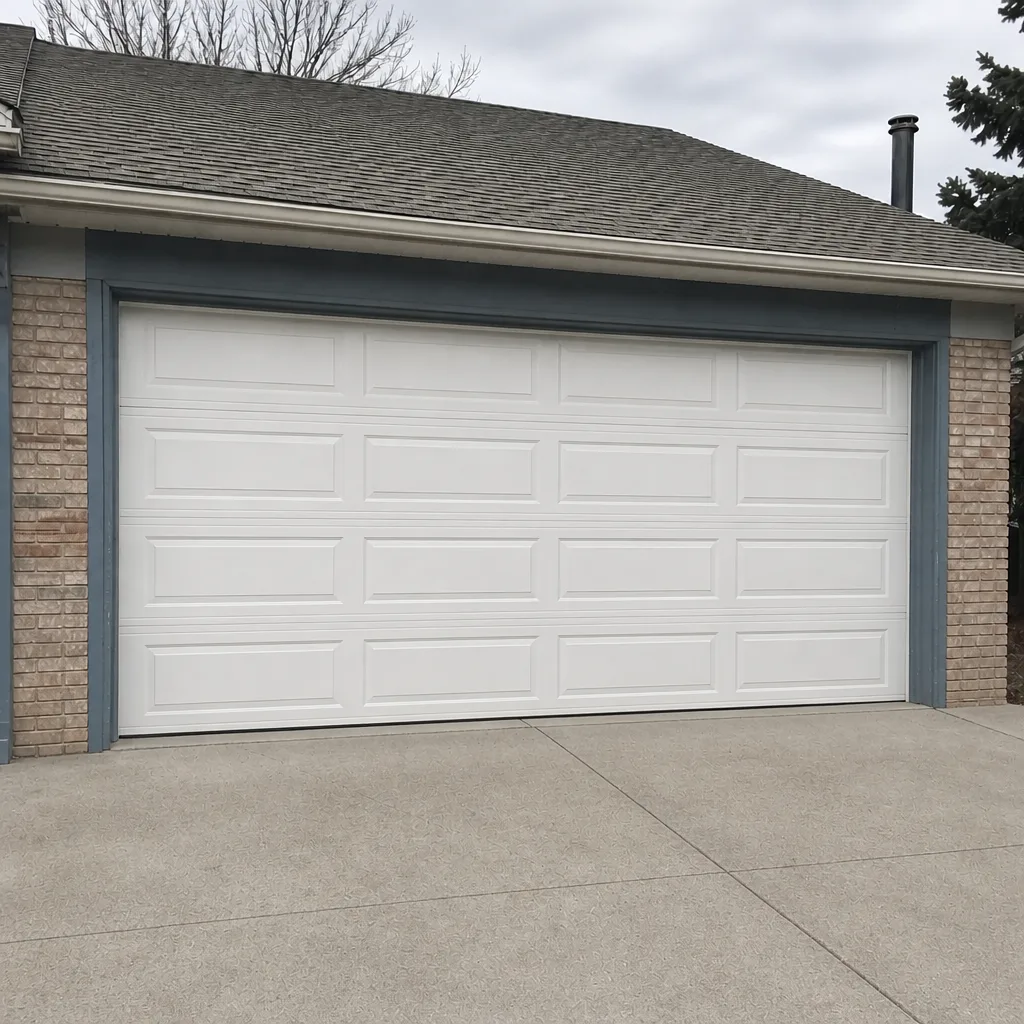 After
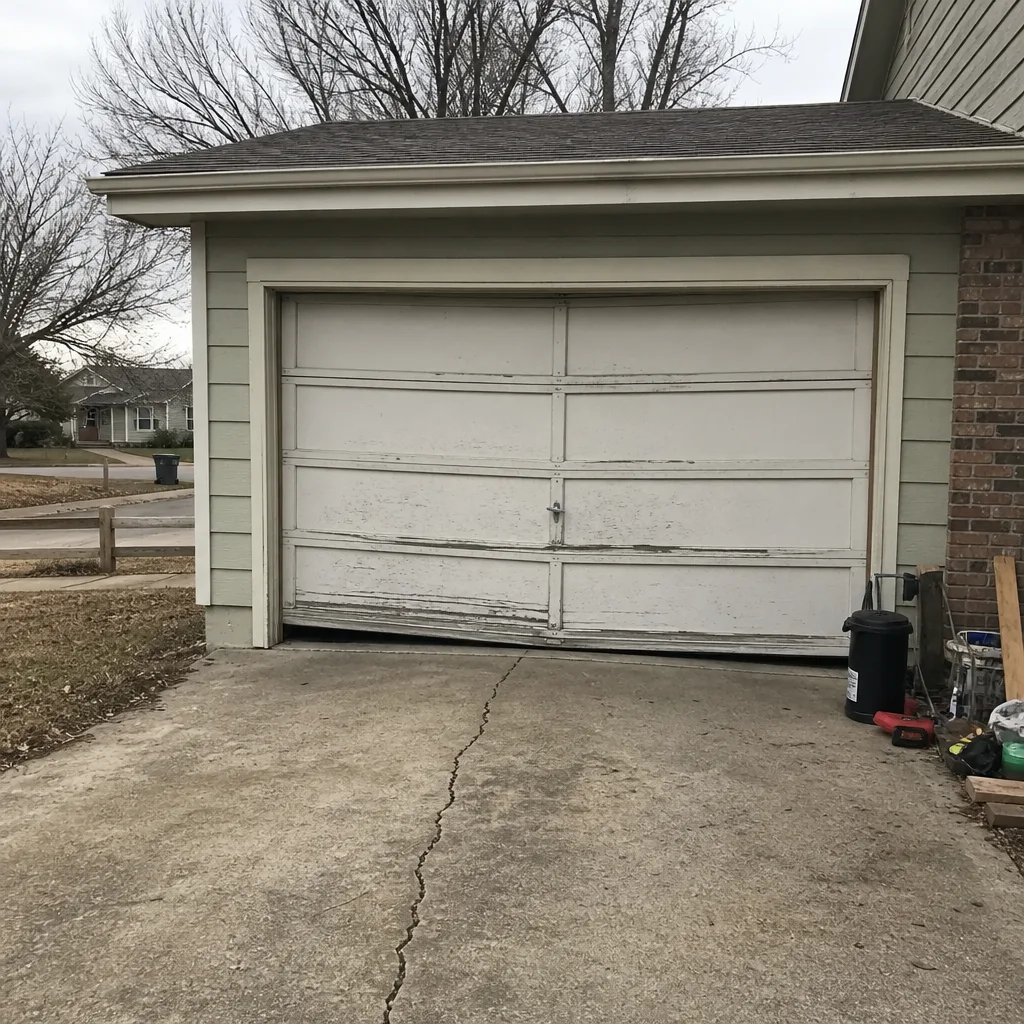 Before
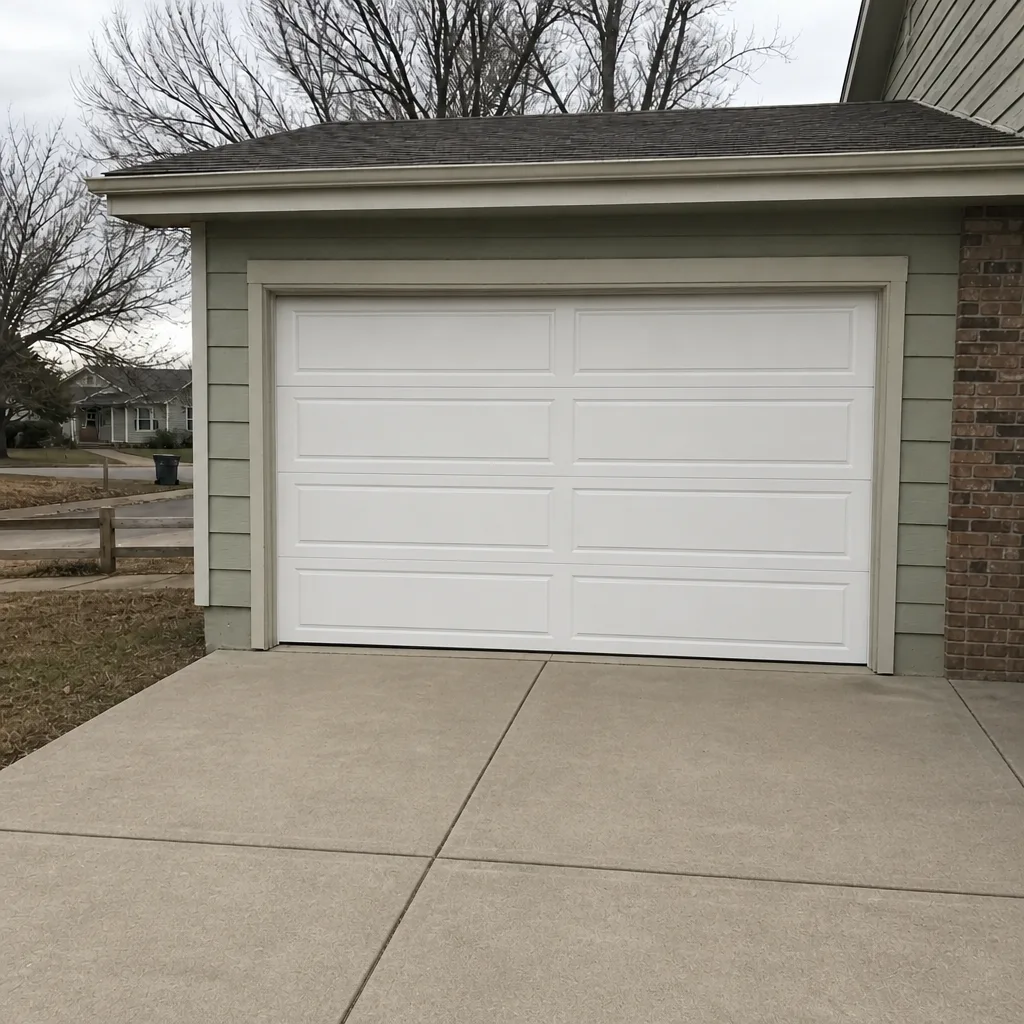 After
When to Call a Professional
Some jobs are a hobbyist’s weekend; garage doors rarely are. Call a professional when a torsion spring snaps (they store enough energy to cause serious injury and should only be handled by trained technicians), when the door comes off its track, when a cable is frayed or loose, when the opener cycles but the door doesn’t move, when the safety sensors won’t align, or when the door is more than a decade old and starting to show sag, rust-through, or repeated repairs. For a replacement, call before you shop – a free measure and a written price let you compare real numbers. Lockhart Garage Door Service offers free estimates in Centennial – call (844) 834-3842. We answer 24/7. Fast dispatch from 7am to 7pm, Sunday through Friday.
Frequently Asked Questions
There’s no single best brand – the best choice is the product line within a brand that fits your HOA standards, your hail exposure, and your insulation needs, which for most Centennial homes means a heavier-gauge steel door with impact-rated panels from Clopay, Amarr, or Wayne Dalton. Compare two or three lines side by side before deciding. Call (844) 834-3842 for an exact quote on your specific door – estimates are free.
Pricing depends on the door’s size, gauge, insulation, impact rating, and the opener, and the written estimate sets the final price. Because Centennial homes vary widely in HOA requirements and hail exposure, a verbal range is misleading – ask for a written estimate before any work starts. Call (844) 834-3842 for an exact quote – estimates are free.
For most Centennial homeowners, yes – a heavier-gauge, impact-rated door is significantly less likely to dent in a summer hailstorm than a standard 24-gauge door, and the difference shows up in fewer claims and fewer repairs over the door’s life. It’s not a no-dent guarantee, so ask what the rating covers. Call (844) 834-3842 to talk through the options for your home.
LiftMaster, Chamberlain, and Genie have the deepest parts and service footprint in the Denver metro, which keeps repair times and long-term costs down. We work on all three, along with the other major brands, so a repair doesn’t depend on a single supplier. Call (844) 834-3842 for an exact quote – estimates are free.
No – the price is quoted and agreed in writing before any work starts, and that written estimate sets the final price. If the job turns out to need something the estimate didn’t cover, we tell you before we proceed, not after. Call (844) 834-3842 to book a free estimate.
Yes – our technicians are licensed and insured, and our technicians have up to 9 years of experience across the major door and opener brands. That matters for spring, cable, and opener work, where a mistake can be dangerous. Call (844) 834-3842 for an exact quote – estimates are free.
The Bottom Line
Brand name is the wrong place to start. In Centennial, the right decision criteria are steel gauge, insulation type, joint design, hardware grade, and impact rating – plus your HOA’s recorded standards and the parts depth of the opener brand you’re pairing with the door. Compare product lines, not logos. Ask the eight brand-agnostic questions. Get the written estimate before any work starts. Do that, and the brand conversation becomes what it should be: a footnote to a door that actually fits your home and the Colorado climate. If you want help sorting through the options for your specific house in Centennial, we’re glad to walk through it with you.
Call (844) 834-3842 for a free estimate. We answer 24/7. Fast dispatch from 7am to 7pm, Sunday through Friday.
Written by the team at Lockhart Garage Door Service.